
Indigenous Language Notice
This material was documented through engagement with Mro oral and written traditions.
While standardized scripts and knowledgeable language practitioners do exist, producing accurate, verified transcriptions requires trained contributors, time, and fair compensation. At this self-funded stage of the project, it has not been possible to undertake this work responsibly.
Roots and Rights Collective is committed to developing properly resourced, community-led, and consent-based transcription and archiving of indigenous languages in future phases of this initiative.
Traps of Bamboo, Songs of Valor: Hunting Traditions of the Mro
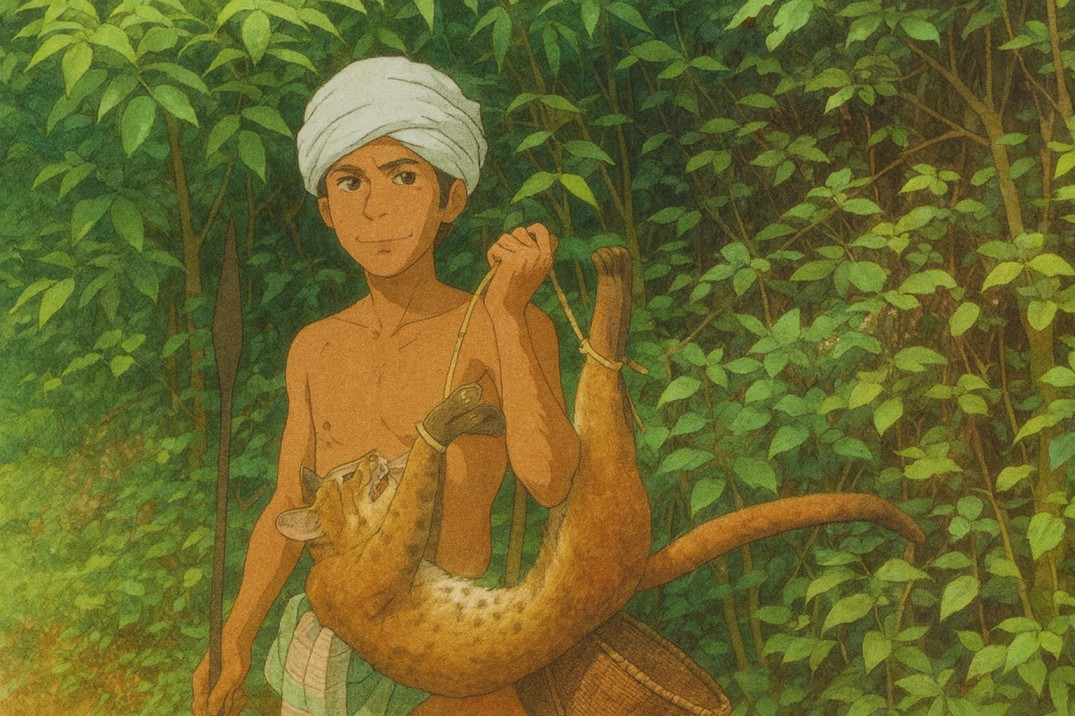
The Mro people of the Chittagong Hill Tracts maintain a deep-rooted relationship with the forest, where hunting remains both a cultural expression and a communal activity. Although not professional hunters, the Mro engage in hunting and fishing primarily for sustenance and recreation, guided by long-established customs, social codes, and intricate trapping methods. This article documents the diverse hunting techniques and instruments used by the Mro, as well as the cultural values that frame them.
Cultural Context and Communal Norms
Hunting among the Mro is a community-oriented practice. Wild boars, deer, bison, and birds are commonly hunted. When a successful hunt occurs, the meat is cooked at the hunter’s home and shared among all villagers. The head and right thigh of a large animal are customarily reserved for the hunter. If a trap or firearm belonging to another person is used, the owner is entitled to a share—typically a leg of the animal or one-third of the fish catch in case of nets. Skulls of hunted animals are often displayed on the walls of homes as symbols of valor. These stories of bravery are preserved through folk songs, dances, and dramatic re-enactments during village festivals.
Hunting and Trapping Techniques
The Mro employ a range of traditional traps and strategies, crafted from natural materials and used with intimate knowledge of animal behavior. Some notable methods include:
Lengchak (Noose Trap)
A looped rope trap made from tree bark is set on animal trails. When stepped on, the rope tightens around the animal’s leg, making escape impossible even for strong animals.
Dongkom (Neck Snare)
A snare trap designed to catch animals by the neck. A slipknot is tied on one end of a rope, fixed tightly to a tree or bamboo stake. As the animal walks through, it triggers the loop to tighten around its neck.
Klong (Log Drop Trap)
A heavy log (20–30 kg) is suspended and tied to a trigger mechanism. When tripped, the log falls on the animal, killing it through impact.
Saud (Spear Trap)
A deadly trap using sharpened bamboo spears. When a vine connected to the spear is broken by the animal’s movement, the spear is launched, piercing the target.
Kom (Weighted Basket Trap)
A soil-filled bamboo basket is suspended above ground with food bait. When the bait is disturbed, the trap falls, crushing the animal underneath.
Wam (Pit Trap with Spears)
A large, concealed pit is dug and filled with sharpened bamboo stakes. Covered with foliage, the pit traps and kills animals that fall in. This method is similar to those seen in guerrilla warfare tactics.
Chek (Live Capture Enclosure)
Constructed from matured bamboo, a cage with a baited entry is designed to trap animals alive. When the animal pulls the bait, the door shuts behind it.
Rau-a (Spear Pod for Monkeys)
A sharpened bamboo spear is inserted into a bamboo tube and baited with maize. Hung from treetops near crop fields, it targets monkeys known for raiding farms. When the monkey pulls the maize, it gets impaled.
Piya Nai (Birdlime Trap)
A sticky gum made from wild fig and banyan sap is applied to branches along with insects as bait. When birds land to feed, they get stuck and are easily caught.
Yai’ba (Bamboo Sling or Dart Shooter)
A dart-launching device, fashioned like a bow but with a basket-shaped projectile holder. Made from bamboo and rattan, it’s used to hunt birds, squirrels, and small mammals.
Kua Hur (Smoke-Driven Porcupine Trap)
Porcupines that live in underground burrows are smoked out using burning dried leaves, chili, and rice husks. Exits are blocked with cone-shaped baskets so that escaping animals are captured.
Prutchak (Communal Drive Hunting)
Villagers organize group hunts where they drive animals toward concealed hunters with firearms. This method relies on group coordination and noise to herd animals into ambush zones.
Mitchak (Solitary Hunting)
A single hunter, usually at dusk, waits silently with a firearm near animal trails. Avoiding scents or noise is crucial, as animals will avoid unfamiliar smells.
Fishing Methods
The Mro also practice diverse fishing methods that reflect both ecological understanding and local craftsmanship:
Tyengchong (Basket Trap for Fish and Crabs)
A conical fish trap (called “Chong”) allows fish and crabs to enter but prevents them from exiting. These are placed in promising water channels overnight.
Weng-A (Water Drain Fishing)
In winter, small pools formed in drying streams are drained manually to collect fish, shrimp, and crabs that have taken shelter.
Dam-A (Basket Scooping Method)
Mro women often scoop fish from streams using large bamboo baskets. By driving fish into the basket with coordinated hand movements, they trap and collect aquatic creatures.
The hunting and fishing practices of the Mro are not merely survival strategies—they are interwoven with their worldview, ethics of sharing, and cultural expressions. Each trap and technique reflects a nuanced understanding of the forest ecology and animal behavior, sustained over generations. As modern pressures and environmental changes alter indigenous lifestyles, documenting such practices becomes critical to preserving both cultural heritage and ecological knowledge.
বাঁশের ফাঁদ ও বীরত্বের গান: ম্রোদের শিকার ঐতিহ্য
পার্বত্য চট্টগ্রামের ম্রো জনগোষ্ঠী বনজীবনের সঙ্গে গভীরভাবে যুক্ত—যেখানে শিকার শুধু খাদ্য সংগ্রহের উপায় নয়, বরং এক সাংস্কৃতিক প্রকাশ ও সামাজিক অনুশীলন। পেশাদার শিকারি না হলেও, ম্রোরা প্রাচীন রীতিনীতি, সামাজিক নীতি এবং সূক্ষ্ম ফাঁদ-নির্মাণ কৌশলের মাধ্যমে শিকার ও মাছ ধরায় অংশ নেয়—মূলত জীবিকা, বিনোদন এবং ঐতিহ্য রক্ষার উদ্দেশ্যে। এই প্রবন্ধে ম্রোদের ব্যবহৃত বিভিন্ন শিকার পদ্ধতি ও যন্ত্র, এবং সেইসঙ্গে নিহিত সাংস্কৃতিক মূল্যবোধ নথিভুক্ত করা হয়েছে।
সাংস্কৃতিক প্রেক্ষাপট ও সামাজিক নিয়মাবলি
ম্রো সমাজে শিকার একটি সামষ্টিক কর্মকাণ্ড। বুনো শুকর, হরিণ, বুনো মহিষ ও বিভিন্ন প্রজাতির পাখি তাদের সাধারণ শিকার। কোনো শিকার সফল হলে, শিকারির বাড়িতে মাংস রান্না করে গোটা গ্রামে ভাগ করে দেওয়া হয়। বড় প্রাণীর মাথা ও ডান পা সাধারণত শিকারির জন্য নির্ধারিত থাকে। যদি অন্য কারও ফাঁদ বা আগ্নেয়াস্ত্র ব্যবহার করা হয়, তবে সেই মালিকও অংশীদার হন—সাধারণত একটি পা বা মাছ ধরলে মোট ধরার এক-তৃতীয়াংশ ভাগ পান।
শিকার করা প্রাণীর খুলি প্রায়ই ঘরের দেয়ালে ঝুলিয়ে রাখা হয়—যা বীরত্বের প্রতীক হিসেবে গণ্য। এই বীরত্বের কাহিনিগুলো গ্রামীণ উৎসবে গান, নাচ এবং নাট্যরূপে পুনঃনির্মিত হয়, যা প্রজন্মান্তরে সাহস ও ঐক্যের স্মৃতি বহন করে।
শিকার ও ফাঁদ নির্মাণ কৌশল
ম্রোরা প্রাকৃতিক উপাদান দিয়ে তৈরি নানা প্রকারের ঐতিহ্যবাহী ফাঁদ ব্যবহার করে, যা প্রাণীর স্বভাব ও চলাচল সম্পর্কে গভীর জ্ঞানের পরিচয় দেয়। উল্লেখযোগ্য কিছু ফাঁদ ও কৌশল হলো—
লেংচাক – দড়ির ফাঁদ
গাছের ছাল দিয়ে তৈরি দড়ির ফাঁদ পশুর চলাচলের পথে পেতে রাখা হয়। প্রাণী পদক্ষেপ রাখলে ফাঁস শক্ত হয়ে তার পা জড়িয়ে ধরে, ফলে শক্তিশালী প্রাণীও পালাতে পারে না।
ডংকম – গলার ফাঁদ
গলার কাছে আটকে দেওয়া ফাঁদ। এক প্রান্তে ফাঁসযুক্ত দড়ি গাছ বা বাঁশের খুঁটিতে বেঁধে রাখা হয়। প্রাণী যখন এর ভেতর দিয়ে যায়, তখন দড়িটি টেনে গলা শক্ত করে ফেলে।
কলং – গাছের গুঁড়ির আঘাত ফাঁদ
২০–৩০ কেজি ওজনের একটি কাঠের গুঁড়ি দড়ি দিয়ে বেঁধে রাখা হয়। প্রাণী ট্রিগারে পা রাখলে কাঠটি পড়ে গিয়ে প্রাণীটিকে আঘাতে মেরে ফেলে।
সাউদ – বাঁশের বর্শা ফাঁদ
তীক্ষ্ণ বাঁশের বর্শা লতাপাতায় যুক্ত থাকে। প্রাণী চলার সময় লতা ছিঁড়ে গেলে বর্শাটি ছুটে গিয়ে লক্ষ্যবস্তুতে বিঁধে যায়।
কম – ওজনযুক্ত ঝুড়ি ফাঁদ
মাটিভর্তি বাঁশের ঝুড়ি খাবারের টোপসহ ঝুলিয়ে রাখা হয়। প্রাণী টোপে হাত দিলে ঝুড়ি পড়ে গিয়ে তাকে পিষে ফেলে।
ওয়াম – বর্শাযুক্ত গর্ত ফাঁদ
মাটিতে বড় গর্ত খনন করে তীক্ষ্ণ বাঁশের বর্শা পুঁতে দেওয়া হয়, তারপর পাতা ও ডালপালা দিয়ে ঢেকে রাখা হয়। প্রাণী পা রাখলে গর্তে পড়ে যায় এবং বর্শায় বিদ্ধ হয়। এই পদ্ধতি অনেকটা গেরিলা কৌশলের মতো।
চেক – জীবন্ত ধরার খাঁচা ফাঁদ
বাঁশ দিয়ে তৈরি খাঁচা, যার ভেতরে টোপ রাখা হয়। প্রাণী টোপে টান দিলে দরজা স্বয়ংক্রিয়ভাবে বন্ধ হয়ে যায়, ফলে সেটি জীবন্ত অবস্থায় ধরা পড়ে।
রাউ-আ – বানর ধরার বর্শা ফাঁদ
তীক্ষ্ণ বাঁশের বর্শা একটি বাঁশের নল বা পডের ভেতরে রেখে তাতে ভুট্টার টোপ লাগানো হয়। এটি গাছের ডালে ঝুলিয়ে রাখা হয়। বানর ভুট্টা টানলে বর্শাটি বেরিয়ে এসে তাকে বিঁধে ফেলে।
পিয়া নাই – পাখি ধরার আঠালো ফাঁদ
বন্য অঞ্জির ও বটগাছের রস থেকে তৈরি আঠা ডালে লাগানো হয় এবং সেখানে পোকামাকড় টোপ হিসেবে রাখা হয়। পাখি খাবার খেতে নামলে আঠায় লেগে যায় এবং সহজে ধরা পড়ে।
ইয়াই’বা – বাঁশের স্লিং বা ডার্ট শুটার
বাঁশ ও বেত দিয়ে তৈরি একটি ক্ষুদ্র ডার্ট ছোড়ার যন্ত্র, অনেকটা তীরধনুকের মতো। এটি দিয়ে পাখি, কাঠবিড়ালি ও ছোট স্তন্যপায়ী প্রাণী শিকার করা হয়।
কুয়া হুর – ধোঁয়ায় তাড়ানো শিকার কৌশল
যেসব প্রাণী (যেমন সজারু) গর্তে বাস করে, তাদের বের করতে শুকনো পাতা, মরিচ ও ধানের খোসা জ্বালিয়ে ধোঁয়া প্রবেশ করানো হয়। গর্তের মুখ বাঁশের ঝুড়ি দিয়ে বন্ধ করে দেওয়া হয়, ফলে প্রাণী বের হতে গিয়ে ধরা পড়ে।
প্রুচ্ছাক – সমষ্টিগত শিকার অভিযান
পুরো গ্রাম মিলে দলগত শিকার অভিযান চালানো হয়। কিছু লোক আওয়াজ করে পশু তাড়িয়ে নির্দিষ্ট দিকের ফাঁদ বা বন্দুকধারীদের দিকে নিয়ে আসে। এতে পরিকল্পিত সমন্বয় ও সহযোগিতা প্রয়োজন।
মিচ্ছাক – একাকী শিকার
সাধারণত সন্ধ্যার দিকে একজন শিকারি পশুর চলার পথে নিরবে অপেক্ষা করে। গন্ধ বা শব্দ না হওয়া অত্যন্ত গুরুত্বপূর্ণ, কারণ প্রাণীরা অপরিচিত গন্ধে সতর্ক হয়ে যায়।
মাছ ধরার পদ্ধতি
শিকার ছাড়াও ম্রোদের মাছ ধরার নানা পদ্ধতি রয়েছে, যা তাদের প্রকৃতিবোধ ও কারুশিল্পের প্রতিফলন—
ত্যেংচং – মাছ ও কাঁকড়ার ঝুড়ি ফাঁদ
শঙ্কু আকৃতির বাঁশের ফাঁদ, যা মাছ ও কাঁকড়াকে ভেতরে ঢুকতে দেয় কিন্তু বের হতে দেয় না। এটি রাতে প্রবাহিত পানিতে পেতে রাখা হয়।
ওয়েং-আ – জল নিষ্কাশন পদ্ধতি
শীতকালে শুকিয়ে যাওয়া ঝরনা বা নদীর ছোট জলাধারগুলো হাত দিয়ে নিষ্কাশন করে সেখানে আশ্রয় নেওয়া মাছ, চিংড়ি ও কাঁকড়া সংগ্রহ করা হয়।
দাম-আ – ঝুড়ি দিয়ে মাছ তোলা পদ্ধতি
ম্রো নারীরা প্রায়ই বড় বাঁশের ঝুড়ি ব্যবহার করে নদী বা ঝরনায় মাছ ধরে। হাতের সমন্বিত নাড়াচাড়ায় মাছকে ঝুড়ির দিকে তাড়িয়ে এনে ধরা হয়।
ম্রোদের শিকার ও মাছ ধরা কেবল বেঁচে থাকার উপায় নয়—এটি তাদের জীবনদর্শন, পারস্পরিক ভাগাভাগির নীতি, এবং সাংস্কৃতিক অভিব্যক্তির অংশ। প্রতিটি ফাঁদ, প্রতিটি কৌশল তাদের বনজ পরিবেশ ও প্রাণীজগতের সূক্ষ্ম পর্যবেক্ষণ থেকে গড়ে উঠেছে। প্রজন্মের পর প্রজন্ম ধরে টিকে থাকা এই জ্ঞান আজ পরিবেশগত পরিবর্তন ও আধুনিকতার চাপে হারিয়ে যাওয়ার ঝুঁকিতে। তাই এইসব ঐতিহ্য নথিভুক্ত করা কেবল সংস্কৃতি রক্ষার কাজ নয়, বরং এক গুরুত্বপূর্ণ পরিবেশজ্ঞান সংরক্ষণের প্রচেষ্টা।