
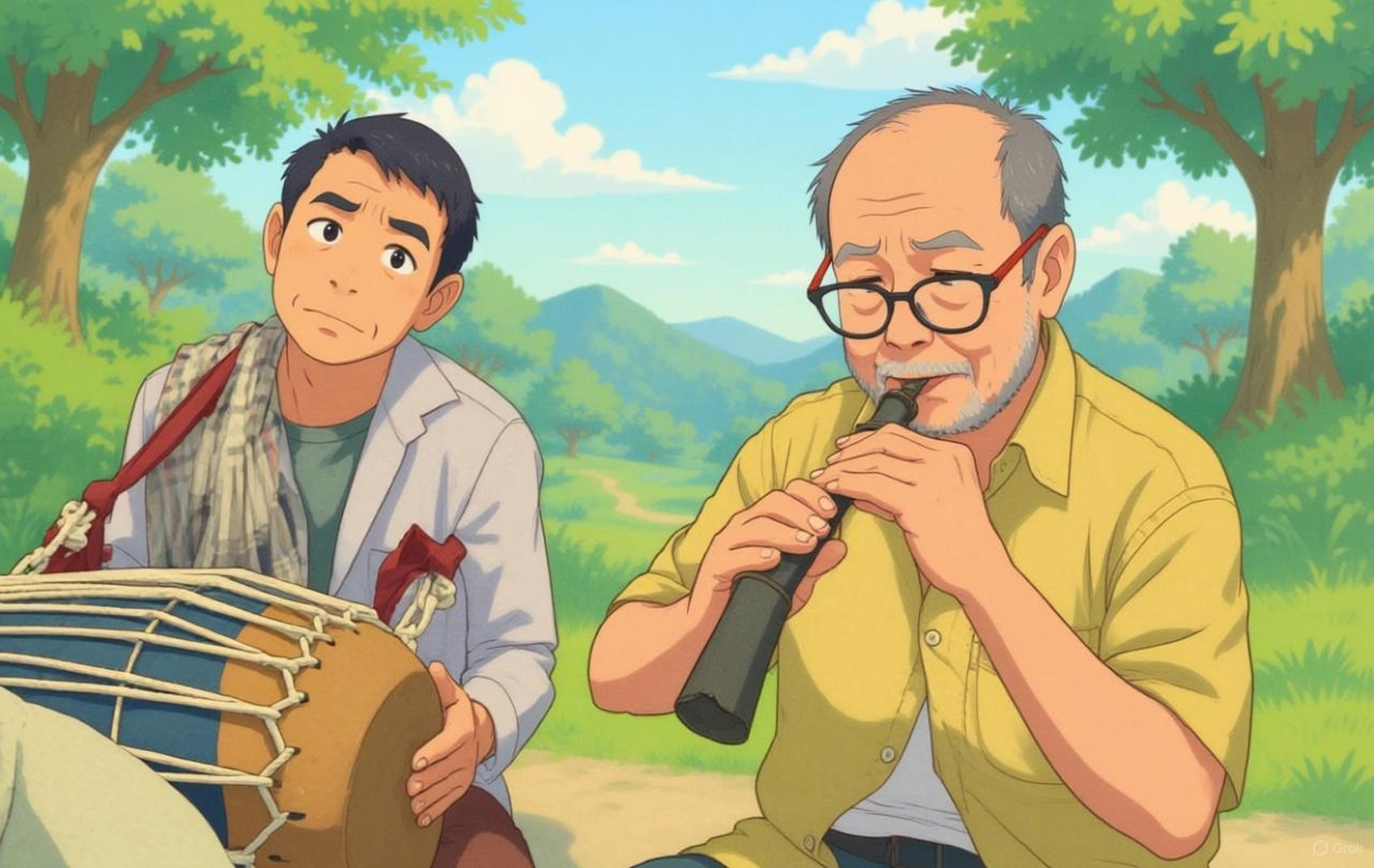
တောင်တန်းများ၏ စည်းချက်- မာရ်မာလူ့အဖွဲ့အစည်း၏ တေးဆို အကနှင့် ပြဇာတ်အမွေအနှစ်
Translated by U Wainnita
တေးဆို၊ အကနှင့် အဆိုပြဇာတ်ရုံတို့သည် မာရ်မာလူ့အဖွဲ့အစည်း၏ ယဉ်ကျေးမှုဘဝတွင် မရှိမဖြစ် အခန်းကဏ္ဍမှ ပါဝင်ပါသည်။ မွေးဖွားချိန်မှ သေဆုံးချိန်အထိ ဘဝ၏ အဆင့်တိုင်းတွင် ဤအနုပညာပုံစံများတွင် နက်ရှိုင်းစွာ ပါဝင်ပတ်သက်နေပြီး ပျော်ရွှင်မှု၊ သစ္စာစောင့်သိမှု၊ နှောင်ကြိုး၊ ကိုယ်ကျင့်တရားပညာရေးနှင့် ဝိညာဉ်ရေးရာ ကာကွယ်စောင့်ရှောက်ရေးအတွက် မော်တော်ယာဉ်တစ်စီးအနေဖြင့် ပါဝင်ပါသည်။ တေးဆိုနှင့် အကသည် ဖျော်ဖြေရေးနည်းလမ်းတစ်ခုသာမက လူများကို စုစည်းပေးပြီး ၎င်းတို့၏ ယုံကြည်ချက်များနှင့် သမိုင်းကြောင်းကို သယ်ဆောင်ပေးသည့် လူမှုဘဝ၏ ဝိညာဉ်လည်း ဖြစ်ပါသည်။ သို့သော် ဤအစဉ်အလာသည် ခေတ်မီခြင်း၊ မြို့ပြဖွံ့ဖြိုးတိုးတက်မှုနှင့် ယဉ်ကျေးမှုပေါင်းစည်းမှုကြောင့် ယခုအခါ အန္တရာယ်ကျရောက်နေပါသည်။ သို့သော် မာရ်မာတေးဆိုနှင့် ဖျော်ဖြေတင်ဆက်မှုအစဉ်အလာသည် ထိန်းသိမ်းစောင့်ရှောက်ခြင်းနှင့် ပြန်လည်ရှင်သန်ခြင်း လိုအပ်သည့် အသက်ရှင်သော အမွေအနှစ်တစ်ခုအဖြစ် ရှိနေဆဲဖြစ်သည်။
ကလေးဘဝနှင့် ကာကွယ်စောင့်ရှောက်ရေး တေဆိုခြင်း
မွေးဖွားပြီး မကြာမီတွင် မာရ်မာသည် ပုခက်အခမ်းအနားမှတစ်ဆင့် ကလေးများ၏ တေးဆိုနှင့် မိတ်ဆက်ပေးခံရသည်။ ယသဓရာ မနော်ရီနှင့် ဝေဿန္တရာဟုခေါ်သော သီချင်းများကို ကလေးကိုလှုပ်ခါနေစဉ် သီဆိုကြပြီး ယင်းသီချင်းများသည် ကလေးကို မကောင်းဆိုးဝါးဝိညာဉ်များမှ ကာကွယ်ပေးသည်ဟု ယုံကြည်ကြသည်။ ကလေးများသည် ကြီးပြင်းလာသောအခါ ကျုံး (ဗုဒ္ဓဘာသာဘုန်းတော်ကြီးကျောင်း) သို့သွားပြီး တေးဆိုမှတစ်ဆင့် ဗုဒ္ဓကျမ်းစာများကို သင်ယူကြသည်။ ဤနည်းအားဖြင့် တေးဆိုသည် ၎င်းတို့၏ ဝိညာဉ်ရေးရာပညာရေးအတွက် ကြားခံတစ်ခု ဖြစ်လာသည်။
ဆယ်ကျော်သက်အရွယ်တွင် တေးဆိုနှင့် မေတ္တာကို ဖော်ပြခြင်း
ဆယ်ကျော်သက်နှင့် လူငယ်ဘဝတွင် ယောက်ျားလေးများနှင့် မိန်းကလေးများသည် စကားယဉ်/ဗျာသဟုခေါ်သော တေးဆိုမှတစ်ဆင့် ခံစားချက်များ၊ ဟာသဉာဏ်၊ မေတ္တာနှင့် လူမှုရေးဉာဏ်ရည်ကို အချင်းချင်း မျှဝေကြသည်။ ဤသီချင်းများသည်တေးဆိုသည် ဘာသာစကားနှင့် စိတ်ခံစားမှုကြား ဆုံချက်တစ်ခု ဖြစ်လာသည့် လူမှုရေးအပြန်အလှန်ဆက်ဆံမှု၏ အရေးကြီးသော နယ်ပယ်တစ်ခုကို ဖန်တီးပေးသည်။
ဘာသာရေးနှင့် ဈာပနတေးဆို
တေးဂီတသည် ဗုဒ္ဓဘာသာဘာသာရေးပွဲတော်များ၏ မရှိမဖြစ်အစိတ်အပိုင်းတစ်ခုဖြစ်သည် – ဥပမာ ပဒေသာ ဆွမ်းတစ်ထောင်စေတီ ပန်းတစ်ထောင်စေတီ- အားလုံးတွင် တေးဂီတသည် မရှိမဖြစ်အစိတ်အပိုင်းတစ်ခုဖြစ်သည်။ သေဆုံးချိန်တွင် နိဗ္ဗာနိဟုခေါ်သော သန့်ရှင်းသောတေးဂီတကိုလည်း ကွယ်လွန်သူ၏ဝိညာဉ်၏ ငြိမ်းချမ်းမှုနှင့် ကောင်းကျိုးချမ်းသာကို သေချာစေရန် သီဆိုကြသည်။
မာရ်မာတေးဂီတအမျိုးအစားများ
မာရ်မာတေးဂီတတွင် စတိုင်နှင့် အကြောင်းအရာအမျိုးမျိုးပါဝင်သည်၊ ဥပမာ-
သာခြင်း: ဗုဒ္ဓ၏ ယခင်မွေးဖွားခြင်းဇာတ်လမ်းများကို အခြေခံထားသော ရှေးအကျဆုံး ရိုးရာသီချင်း။
ကဗျာ: အမျိုးအစားနှစ်မျိုး – (က) ဇာတ်ကြောင်းပြော များ၊ (ခ) ယှဉ်ပြိုင်သီချင်းများကို နှုတ်ဖြင့်ဆွေးနွေးခြင်းအဖြစ် ဖျော်ဖြေသည်။
စကားယဉ်: အချစ်၊ ဟာသနှင့် သရော်စာတို့၏ ပေါ့ပါးသောသီချင်းများ။
သံဂေတ်: ပွဲတော်ရာသီတွင် သီဆိုသော ပါတီသီချင်းများ။
ရဒု: ဘဝသင်ခန်းစာများကို သယ်ဆောင်ပေးသော ဝမ်းနည်းဖွယ်နှင့် အသိပညာပေးသီချင်းများ။
လင်္ကာ: သဘာဝတရားနှင့် ဘာသာရေးခေါင်းဆောင်များ၏ ဇာတ်လမ်းများကို အခြေခံသော သီချင်းများ။
ဟံဆွာ: ဗုဒ္ဓအား ဝတ်ပြုကိုးကွယ်သည့် သီချင်းများ။
လုံးဒီ: အောင်ပွဲသီချင်းများ – တိုက်ပွဲများ သို့မဟုတ် ပြိုင်ပွဲများအပြီးတွင် သီဆိုသည်။
သံပေါက်: နူးညံ့သိမ်မွေ့သော အသံဖြင့် ဖျော်ဖြေသော သန့်ရှင်းသော သီချင်းများ။
တေးခ့င်း: ပွဲတော်သီချင်းများ၊ စုပေါင်းသီဆိုကြသည်။
အဖိုဝေ: သာမန်ပြည်သူများက လူမှုရေးခေါင်းဆောင်များကို ရိုသေလေးစားသော သီချင်းများ။
ရေဂန်း: မိုးခေါင်ရေရှားချိန်တွင် မိုးရွာစေရန် ဆုတောင်းသည့် ဂီတ။
အဲယဉ်: ဗုဒ္ဓ၏ ဘဝနှင့် အရည်အချင်းများကို ဖော်ပြသော သီချင်းများ။
ချောက်သျောက်တေခြင်း: ခေတ်မီပုံစံဖြင့် အချစ်၊ ပျော်ရွှင်မှုနှင့် ဝမ်းနည်းမှုကို ဖော်ပြခြင်း – မြို့ပြလွှမ်းမိုးမှုရှိသော ဂီတ။
တူရိယာများ
မာရ်မာတေူဂီတတွင် အဓိက ဂီတအုပ်စုနှစ်ခုကို အသုံးပြုသည်-
ဗိုလ်မင်းခေါင်: ဗုံပတ် (ဗုံ)၊ ဏှည်း (ရှနိုင်းနှင့်ဆင်တူသော ပလွေ)၊ စည်း (မာဖလာ)၊ စိန်စွက်(ခေါင်းလောင်းတီးခြင်း) နှင့် ခြံခြောင်း(ခေါင်းလောင်း)။
ပလံထောင်: အောရ်ဂင် နှင့် ဒုံး နောက်ပိုင်းတွင် ကီးဘုတ်များကို ထည့်သွင်းခဲ့သည်။
လက်ရှိတွင် မြို့ပြဂီတ၏ လွှမ်းမိုးမှုရှိသော ဂီတာ၊ မန်ဒလင်၊ တယောနှင့် ဒရမ်အစုံများကို ထည့်သွင်းထားသည်။
အက
အကကို မာရ်မာလူ့အဖွဲ့အစည်း၏ ပွဲတော်များနှင့် ရိုးရာဓလေ့များမှ ခွဲခြား၍မရပါ။ ထင်ရှားသော အကပုံစံခုနစ်မျိုးမှာ-
ကျုံမွေ့အက: ရှေးအကျဆုံး မာရ်မာအကဖြစ်သော စပါးခင်းခြင်းစည်းချက်ကို တုပရန် ဖန်တီးထားသည်။
ငစိုဝေအက: နက္ခတ်ဗေဒင်နှင့် ဘာသာရေးစာပေများကို အခြေခံသည့် တစ်ကိုယ်တော်ရိုးရာအက။
ရိုင်းအက: တစ်ကိုယ်တော်၊ အတွဲလိုက် သို့မဟုတ် အဖွဲ့လိုက် ဖျော်ဖြေသော လွှဲအက။
ဆီမီးအက: မီးခွက်များဖြင့် ဖျော်ဖြေသော ဘာသာရေးအက။
လောင်ဗန်းအက: ပန်းကန်များဖြင့် ဖျော်ဖြေသော အဖွဲ့လိုက်အက။
ချောက်သျောက်အက: မျက်နှာဖုံးများပါသည့် ခေတ်သစ်အက – သတ္တဝါ သို့မဟုတ် ဝိညာဉ်မျက်နှာဖုံးများကို အသုံးပြုသည်။
သိုဏ်းအက: ဈာပနအခမ်းအနားများတွင် ဖျော်ဖြေသော လေးနက်သောအက။
ဂီတပြဇာတ်
မာရ်မာဂီတပြဇာတ်၏ အဓိကပုံစံမှာ ပန်ခွန်ဖြစ်ပြီး ရိုးရာပုံပြင်များ၊ ဒဏ္ဍာရီများ သို့မဟုတ် စစ်ပွဲဇာတ်လမ်းများကို တင်ဆက်ထားသည်။ ဤနေရာတွင် ပြဇာတ်၏ အသက်သွေးကြောမှာ စကားပြောဆိုမှုထက် ဂီတဖြစ်ပြီး နှေးကွေးပြီး လေးနက်သောလေသံဖြင့် ဖျော်ဖြေသည်။ နောက်ဆုံးတွင် အကသမားများသည် ဇာတ်လမ်းတွဲကို “ပဝါအက” ဖြင့် အဆုံးသတ်သည်။ ပရိသတ်ကို ပျော်ရွှင်စေသော မုတ်ဆိုးအမည်ရှိ မုဆိုးဇာတ်ကောင်က ဟာသကို ထည့်သွင်းထားသည်။ ဘင်္ဂါလီ ယတြာ၏ လွှမ်းမိုးမှုကို ဝတ်စုံများတွင် ရှင်းရှင်းလင်းလင်း မြင်တွေ့နိုင်သည်။
အပိုင်းခွဲများ-
အနုဇာတ်ပင်းခုံ- တစ်ညတည်းတွင် ဖျော်ဖြေသော ပြဇာတ်။
ဇာတ်ကြီးပင်းခုံ- ညပေါင်းများစွာ ဖျော်ဖြေသော ပြဇာတ်ရှည်။
ဇာတ်- မြန်မာဘာသာစကားနှင့် ဂီတပုံစံဖြင့် ဖျော်ဖြေသော ပြဇာတ်တစ်ခုဖြစ်ပြီး ဒေသခံပရိသတ်များ နားမလည်နိုင်သောကြောင့် လူကြိုက်နည်းသည်။
ဝေဿန္တရာ- ပင်းခုံထက် ဂီတနှင့် ဘာသာရေးဆိုင်ရာ ဝေသန္တရာ ဇာတက ဘာလမ်ဘန်တွင် ရေးသားထားသော ဘာသာရေးပြဇာတ်တစ်ခု။ ၎င်း၏ အဓိကအာရုံစိုက်မှုမှာ ဗုဒ္ဓဘာသာ၏ ဂုဏ်ကျေးဇူးများ၊ ဘာသာရေးနှင့် ကိုယ်ကျင့်တရားတို့ကို မြှင့်တင်ရန်ဖြစ်သည်။
ခေတ်မီခြင်းနှင့် ယဉ်ကျေးမှု ပြောင်းလဲမှု
ခေတ်ပြိုင်ခေတ်တွင် မာရ်မာဂီတနှင့် ပြဇာတ်များသည် အကျပ်အတည်းနှင့် ရင်ဆိုင်နေရသည်။ လူငယ်မျိုးဆက်များစွာသည် ဘင်္ဂါလီ၊ ဟိန္ဒူ သို့မဟုတ် အနောက်တိုင်းဂီတသို့ ပြောင်းလဲလာကြသည်။ ရိုးရာပုံစံများကို “ရှေးဟောင်း” အဖြစ် လျစ်လျူရှုထားကြသည်။ ဘင်္ဂါလီတေးသွားများနှင့် ပုံစံများပါသည့် မာရ်မာဘာသာစကားဖြင့် သီဆိုထားသော ပလံသားဂီတသည် အပြန်အလှန် ညှိနှိုင်းမှုတစ်ခု ဖန်တီးပေးခဲ့သော်လည်း ဤအထဲတွင်ပင် ၎င်း၏ လက္ခဏာကို ဆုံးရှုံးနိုင်ခြေ မြင့်မားသည်။
သတိရှိသော မာရ်မာအနုပညာရှင်များနှင့် ရပ်ရွာခေါင်းဆောင်များက အဓိကစိန်ခေါ်မှုမှာ ရိုးရာဓလေ့ကို ထိန်းသိမ်းခြင်းနှင့် ပြန်လည်ဆန်းသစ်ခြင်းကြား ဟန်ချက်ညီအောင် လုပ်ဆောင်ရန်ဖြစ်သည်ဟု ယုံကြည်ကြသည်။ အုပ်စုလိုက်ပညာပေးခြင်း၊ မော်ကွန်းတိုက်များနှင့် ဖန်တီးမှုဆိုင်ရာ လိုက်လျောညီထွေဖြစ်အောင် ပြုလုပ်ခြင်းမှတစ်ဆင့် ဤဂီတနှင့် ပြဇာတ်အစဉ်အလာကို ပြန်လည်ရှင်သန်စေရန် အရေးကြီးပါသည်။
မာရ်မာရပ်ရွာ၏ တေးဂီတ၊ အကနှင့် ပြဇာတ်အစဉ်အလာများသည် ဖျော်ဖြေရေးသက်သက်မဟုတ်ဘဲ ၎င်းတို့၏ အမှတ်အသား၊ ယုံကြည်ချက်နှင့် လူမှုရေးဆိုင်ရာ ကိုယ်ကျင့်တရားတို့၏ သင်္ကေတများဖြစ်သည်။ ခေတ်သစ်မုန်တိုင်းကြောင့် အန္တရာယ်ကျရောက်နေသော်လည်း ဤအနုပညာပုံစံများသည် ရာစုနှစ်များစွာကြာ တီထွင်ဖန်တီးမှုနှင့် သစ္စာစောင့်သိမှုကို သက်သေခံနေဆဲဖြစ်သည်။ ၎င်းတို့ကို ထိန်းသိမ်းစောင့်ရှောက်ခြင်းနှင့် ပြန်လည်ရှင်သန်စေခြင်းဖြင့် ကျွန်ုပ်တို့သည် အနုပညာပုံစံတစ်ခုကိုသာမက စစ်တကောင်းတောင်တန်းဒေသများ၏ ဘက်စုံယဉ်ကျေးမှုအမွေအနှစ်၏ အဖိုးမဖြတ်နိုင်သော ရတနာသိုက်တစ်ခုကိုပါ ကာကွယ်နိုင်ပါသည်။
Rhythms of the Hills: Music, Dance, and Drama among the Marma
In Marma cultural life, music, dance, and musical drama occupy a central role. From the cradle to the grave, every stage of existence is intertwined with rhythm, song, and ritual performance. These art forms not only serve as expressions of joy and devotion but also function as channels of social bonding, moral instruction, and spiritual protection. Over time, however, modernity, urbanization, and cultural assimilation have brought changes that now threaten the continuity of these traditions. Yet, despite these challenges, Marma musical and performative culture remains a reservoir of intangible heritage that demands preservation and renewal.
Music in Childhood and Rituals of Protection
Soon after birth, Marma children are introduced to music through the cradle ceremony. Songs such as Yosathara, Monri, and Weseindra are performed while rocking the cradle, believed to protect the child from malevolent spirits. As children grow, they attend the Kyong (Buddhist monastery), where music becomes a medium for learning sacred texts.
Music of Adolescence and Courtship
During adolescence and early youth, boys and girls engage in musical exchanges through genres such as Chagayang or Byasa. These songs carry laughter, wit, affection, and subtle romance, serving as an important cultural space for socialization and the expression of youthful emotions.
Religious and Funerary Music
Religious festivals such as P’desa (Kalpataru), Th’mongthong (Rice Pagoda), and Peingthong (Flower Pagoda) are enlivened by devotional music. At the end of life, sacred recitation known as Ni’bbeingni Sukh is performed in a melodic tone near the deceased, ensuring spiritual peace and safe passage.
Genres of Marma Music
Marma music encompasses a rich variety of forms, each with distinct themes and performance contexts:
Sakhrang: One of the oldest folk genres, based on Jataka tales of the Buddha’s past lives.
K’pya: Twofold in character: (a) narrative ballads, (b) competitive songs resembling verbal duels.
Chagayang (Byasa): Lighthearted and humorous songs of love, satire, and flirtation.
Saingyai: Group songs performed in festive settings.
R’duk: Melancholic and didactic songs often centered on morality.
Lang’ga: Songs reflecting nature or stories of religious teachers.
Haing’chhoa: Devotional praise songs dedicated to the Buddha.
Lungdi: Songs of victory, sung after warfare or competitions.
Saingbok: Sacred songs sung with soft melodic intonation.
Ae’: Festive songs sung collectively.
Aphwe: Songs of homage offered by commoners to community leaders.
Regaing: Rain-invoking songs sung in times of drought.
Aeing: Songs narrating the life and virtues of the Buddha.
Khak-Sok Tekhrang: Modern-style songs reflecting love, happiness, and sorrow in contemporary idioms.
Musical Instruments
Two distinct ensembles accompany Marma music:
Bomang Circle: Bungpait (drum), H’ne (reed instrument similar to shehnai), Che (cymbals), Ching-chowk (jingling bells), Khre-khrong (gong).
Playing Circle: Harmonium and tabla, later joined by keyboard.
In modern times, instruments such as the guitar, mandolin, violin, and drum set have been incorporated, reflecting the influence of urban popular music.
Dance
Dance is inseparable from Marma festive and ritual life. Seven distinct forms are notable:
Kyungmui Akah: Pestle-dance imitating the rhythmic pounding of rice; regarded as the oldest Marma dance.
N’ng-Chwey Akah: A solo ritual dance based on astrology and religious texts.
Roing Akah: Performed solo, as duet, or in groups, featuring graceful swinging movements.
Chhi-Muing/Chhi-Ming Akah: Lamp-dance performed during religious ceremonies.
Longbaing Akah: Plate-dance performed in group formations.
Khak-Sok Akah: A modern masked dance where performers wear masks of animals or spirits.
Soing Akah: Funeral dance embodying solemn religious sentiments.
Musical Drama (Pangkhung)
The most widespread form of Marma musical drama, Pangkhung stages folk narratives, myths, or battle stories. While actors perform, it is the singing that carries the drama forward, often in a slow and solemn tempo. At the end, performers conclude with a scarf dance. Comic interludes, especially by the hunter character Mcho, bring humor to the stage. Costumes show strong influence from Bengali jatra theater.
Two sub-types exist:
Anu-Jait Pangkhung: Concludes within a single night.
Jaigri Pangkhung: Performed over multiple nights.
Jait: A form of musical drama composed in Burmese language and style, accompanied by Burmese musical instruments. Due to the difficulty of comprehension, it is less popular among the general Marma audience.
Wesendra: A drama based solely on the Vessantara Jataka, one of the most revered stories in Buddhist tradition. Its music is more elaborate and melodious than Pangkhung, emphasizing religious devotion and moral generosity.
Modernity and Cultural Transformation
In the contemporary era, Marma music and drama face existential challenges. Many young people prefer Bengali, Hindi, or Western music, while traditional forms are seen as outdated. The rise of Playingsa—songs composed in Bengali style but sung in Marma—represents a compromise, but also signals a loss of authenticity. Socially conscious Marmas stress the need to safeguard tradition while allowing for adaptation. Revitalization efforts must balance preservation with creative innovation if these cultural treasures are to survive.
For the Marma community, music, dance, and drama are not mere entertainments but profound cultural expressions that affirm identity, transmit values, and sanctify life’s transitions. These traditions, though endangered by modern pressures, continue to bear witness to centuries of creativity and devotion. Preservation through documentation, community-based education, and innovative adaptation will be essential to ensure that future generations inherit this intangible heritage. In recognizing their fragility and value, one also affirms the Marma people’s enduring place within the diverse cultural fabric of the Chittagong Hill Tracts.
পাহাড়ের ছন্দ: মারমা সমাজের সংগীত, নৃত্য ও নাট্য ঐতিহ্য
মারমা সমাজের সাংস্কৃতিক জীবনে সংগীত, নৃত্য ও সংগীতনাট্য এক অবিচ্ছেদ্য ভূমিকা পালন করে। জন্ম থেকে মৃত্যু পর্যন্ত জীবনের প্রতিটি পর্যায় এই শিল্পরূপগুলির সঙ্গে গভীরভাবে জড়িত—আনন্দ, ভক্তি, বন্ধন, নৈতিক শিক্ষা ও আধ্যাত্মিক সুরক্ষার বাহক হিসেবে। সংগীত ও নৃত্য কেবল বিনোদনের মাধ্যম নয়, বরং সমাজজীবনের আত্মা, যা মানুষকে একত্র করে এবং তাদের বিশ্বাস ও ইতিহাসকে বহন করে। তবে আধুনিকতা, নগরায়ন ও সাংস্কৃতিক একীকরণের ফলে এই ঐতিহ্য এখন বিপন্ন হয়ে পড়েছে। তবু মারমা সংগীত ও অভিনয় ঐতিহ্য এখনো এক জীবন্ত উত্তরাধিকার, যা সংরক্ষণ ও পুনর্জাগরণের দাবি রাখে।
শৈশব ও সুরক্ষার সংগীত
জন্মের অল্প কিছুদিন পরেই মারমা শিশু সংগীতের সঙ্গে পরিচিত হয় দোলনা অনুষ্ঠানের মাধ্যমে। য়সথারা, মনরী, ওয়েসেইন্দ্রা নামের গানগুলি শিশুকে দোলানোর সময় গাওয়া হয়, যা বিশ্বাস করা হয় শিশুকে অশুভ আত্মা থেকে রক্ষা করে। শিশুরা বড় হলে ক্যং (বৌদ্ধ মঠ)-এ গিয়ে সংগীতের মাধ্যমে পবিত্র বৌদ্ধ ধর্মগ্রন্থ শেখে—এভাবেই সংগীত তাদের আধ্যাত্মিক শিক্ষার মাধ্যম হয়ে ওঠে।
কৈশোরের সংগীত ও প্রেমের প্রকাশ
কৈশোর ও তরুণ বয়সে ছেলে-মেয়েরা চাগায়াং/ ব্যাসা নামের সংগীতের মাধ্যমে একে অপরের সঙ্গে অনুভূতি, হাস্যরস, প্রেম ও সামাজিক বুদ্ধি বিনিময় করে। এই গানগুলি সামাজিক মেলবন্ধনের গুরুত্বপূর্ণ ক্ষেত্র তৈরি করে, যেখানে সংগীত হয়ে ওঠে ভাষা ও আবেগের সংযোগস্থল।
ধর্মীয় ও অন্ত্যেষ্টিক্রিয়ার সংগীত
বৌদ্ধ ধর্মীয় উৎসব—যেমন প্দেসা(কল্পতরু), থ্মংথং(অন্ন-জেদী), পেইংথং(পুষ্প-জেদী) —এর সবই সংগীতের অপরিহার্য অংশ। মৃত্যুর সময়ও নিঃবেইংনি সুক্ নামের পবিত্র সংগীত মৃতের আত্মার শান্তি ও শুভগতি নিশ্চিত করার জন্য গাওয়া হয়।
মারমা সংগীতের ধারা
মারমা সংগীতে নানাবিধ শৈলী ও বিষয়বস্তু পাওয়া যায়, যেমন—
- সাখ্রাং: বুদ্ধের পূর্বজন্মের জাতক কাহিনি অবলম্বনে রচিত প্রাচীনতম লোকগান।
- ক্প্যা: দু’ধরনের—(ক) আখ্যানধর্মী বল্লাদ, (খ) প্রতিযোগিতামূলক গীত, যা মৌখিক বিতর্কের মতো পরিবেশিত হয়।
- চাগায়াং: প্রেম, রসিকতা ও ব্যঙ্গের হালকা মেজাজের গান।
- সাইংগ্যাই: উৎসবমুখর পরিবেশে গাওয়া দলীয় গান।
- রদুক্: বিষণ্ণ ও নীতিনির্দেশমূলক সংগীত, যা জীবনের শিক্ষা বহন করে।
- লাংগা: প্রকৃতি ও ধর্মগুরুদের কাহিনিভিত্তিক গান।
- হাইংছোয়া: বুদ্ধের প্রতি ভক্তিসূচক সংগীত।
- লুংদি: বিজয়গান—যুদ্ধ বা প্রতিযোগিতার পর গাওয়া হয়।
- সাইংবক্: কোমল সুরে পরিবেশিত পবিত্র গান।
- এঃ: উৎসবের গান, যা সম্মিলিতভাবে গাওয়া হয়।
- আফোয়ে: সাধারণ মানুষ কর্তৃক সমাজনেতাদের প্রতি শ্রদ্ধা প্রদর্শনের গান।
- রেগাইং: খরার সময় বৃষ্টি প্রার্থনার সংগীত।
- এইং: বুদ্ধের জীবন ও গুণাবলি বর্ণনাকারী গান।
- খয়্ক্-সয়্ক্, তেখ্রাং: আধুনিক রীতিতে প্রেম, সুখ ও দুঃখের প্রকাশ—নগর প্রভাবিত সংগীত।
বাদ্যযন্ত্র
মারমা সংগীতে দুটি প্রধান বাদ্যযন্ত্র দল ব্যবহৃত হয়—
- বোমাং থং: বুংপাইত্(ঢাক), হ্নে (শানাই সদৃশ বাঁশি), চেঃ(ঝাঁঝরি), চিং-চোওয়ক(ঝনঝনি ঘণ্টা), ও খ্রে-খ্রং(ঘণ্টা)।
- প্লেইং থং: হারমোনিয়াম ও তবলা, পরে কী-বোর্ড যুক্ত হয়েছে।
বর্তমানে গিটার, ম্যান্ডোলিন, বেহালা, ও ড্রাম সেট যুক্ত হয়েছে, যা শহুরে সংগীতের প্রভাব বহন করে।
নৃত্য
মারমা সমাজের উৎসব ও আচারজীবন থেকে নৃত্যকে আলাদা করা যায় না। সাতটি উল্লেখযোগ্য নৃত্যরূপ হলো—
- ক্যুংমুই আকাহ্: ধান ভাঙার ছন্দ অনুকরণে সৃষ্টি—সবচেয়ে প্রাচীন মারমা নৃত্য।
- ঙ-চোয়ে আকাহ্: জ্যোতিষ ও ধর্মীয় পাঠভিত্তিক একক আচারনৃত্য।
- রইং আকাহ্: একক, যুগল বা দলীয়ভাবে পরিবেশিত দোলনাভঙ্গিমার নৃত্য।
- ছিঃ-মুইং আকাহ্: প্রদীপ হাতে পরিবেশিত ধর্মীয় নৃত্য।
- লংবাইং আকাহ্: থালা হাতে পরিবেশিত দলীয় নৃত্য।
- খয়্ক্-সয়্ক্ আকাহ্: মুখোশ পরিহিত আধুনিক নৃত্য—প্রাণী বা আত্মার মুখোশ ব্যবহৃত হয়।
- সইং আকাহ্: অন্ত্যেষ্টিক্রিয়া উপলক্ষে পরিবেশিত গম্ভীর নৃত্য।
সংগীতনাট্য
মারমা সংগীতনাট্যের প্রধান রূপ পাংখুং, যেখানে লোককাহিনি, পুরাণ বা যুদ্ধের গল্প মঞ্চস্থ হয়। সংলাপ অপেক্ষা সংগীতই এখানে নাটকের প্রাণ—ধীর, গম্ভীর সুরে পরিবেশিত হয়। শেষে নৃত্যশিল্পীরা “স্কার্ফ নৃত্য” দিয়ে পর্ব সমাপ্ত করে। হাস্যরস যোগ করেন ম্ছো নামক শিকারি চরিত্রটি, যিনি দর্শকদের আনন্দ দেন। পোশাকে বাংলা যাত্রার প্রভাব স্পষ্ট।
উপধারা:
- আনু জাইত পাংখুং: এক রাতেই সম্পূর্ণ পরিবেশিত নাট্যরূপ।
- জাইগ্রী পাংখুং: বহু রাত ধরে পরিবেশিত দীর্ঘ নাট্যরূপ।
জাইত্: বার্মিজ ভাষা ও সংগীতশৈলীতে পরিবেশিত নাটক, যা স্থানীয় দর্শকদের কাছে অপেক্ষাকৃত দুর্বোধ্য হওয়ায় কম জনপ্রিয়।
ওয়েসেইন্দ্রা: ভেসান্তরা জাতক বলম্বনে রচিত ধর্মনাট্য, যা পাংখুং-এর চেয়ে বেশি সংগীতসমৃদ্ধ ও ভক্তিমূলক। এর কেন্দ্রবিন্দু হলো বৌদ্ধ দান, ধর্ম, ও নৈতিকতার প্রচার।
আধুনিকতা ও সাংস্কৃতিক রূপান্তর
সমসাময়িক যুগে মারমা সংগীত ও নাটক গভীর সংকটে রয়েছে। তরুণ প্রজন্মের অনেকেই বাংলা, হিন্দি বা পাশ্চাত্য সংগীতের দিকে ঝুঁকছে। ঐতিহ্যবাহী রূপগুলি “পুরনো” বলে অবহেলিত হচ্ছে। প্লেইংসা—বাংলা সুরের ও ধাঁচের সংগীত, যা মারমা ভাষায় গাওয়া হয়—একধরনের আপোষমূলক সেতুবন্ধন তৈরি করেছে, তবে এর মধ্যেও স্বকীয়তা হারানোর আশঙ্কা প্রবল।
সচেতন মারমা শিল্পী ও সমাজনেতারা বিশ্বাস করেন, ঐতিহ্য সংরক্ষণ ও নবায়নের মধ্যে ভারসাম্য আনাই এখন প্রধান চ্যালেঞ্জ। দলীয় শিক্ষা, আর্কাইভ, এবং সৃষ্টিশীল অভিযোজনের মাধ্যমে এই সংগীতনাট্য ঐতিহ্য পুনরুজ্জীবিত করা জরুরি।
মারমা সমাজের সংগীত, নৃত্য ও নাট্য ঐতিহ্য কেবল বিনোদন নয়—এগুলি তাদের আত্মপরিচয়, বিশ্বাস ও সামাজিক নৈতিকতার প্রতীক। আধুনিকতার ঝড়ে বিপন্ন হলেও, এই শিল্পরূপগুলি আজও শতাব্দীপ্রাচীন সৃজনশীলতা ও ভক্তির সাক্ষী। একে সংরক্ষণ ও পুনর্জাগরণের মাধ্যমে আমরা শুধু একটি শিল্পরূপ নয়, বরং চট্টগ্রাম পার্বত্য এলাকার বহুমাত্রিক সাংস্কৃতিক ঐতিহ্যের অমূল্য সম্পদকেই রক্ষা করতে পারি।