
Indigenous Language Notice
This material was documented through engagement with Mro oral and written traditions.
While standardized scripts and knowledgeable language practitioners do exist, producing accurate, verified transcriptions requires trained contributors, time, and fair compensation. At this self-funded stage of the project, it has not been possible to undertake this work responsibly.
Roots and Rights Collective is committed to developing properly resourced, community-led, and consent-based transcription and archiving of indigenous languages in future phases of this initiative.
Mro Folktale — The Rampangma Bird
A long time ago, in a Mro village nestled in the hills, there lived a man with his wife and their only daughter. Their days flowed like a gentle stream, and their home was filled with laughter and warmth.
But one day, everything changed. The man’s wife fell gravely ill and passed away. At the time, the girl had just stepped into adolescence. After her mother’s death, the light in her eyes faded. Her joy, her songs, her playfulness—all disappeared like dew under the morning sun.
Some time later, the father remarried, hoping to manage the household. But the new stepmother brought not peace, but fire into their home. She couldn’t stand the sight of the girl. From dawn to dusk, all the housework fell on her shoulders—cooking, fetching water, gathering firewood, tending the animals. And if anything was the slightest bit off, she was scolded and humiliated.
The girl endured it all in silence. She didn’t complain, didn’t rebel—only cried when no one could see. Her father knew what was happening, but said nothing. After long, tiring days of working on the jhum fields, he didn’t have the strength for conflict. So he pretended not to see. Sometimes, he even believed the stepmother’s false accusations.
The pain built up inside the girl like a heavy stone. One morning, before anyone awoke, she walked away—deep into the forest, tears rolling down her cheeks.
She walked and walked until she found herself standing before a giant termite mound. There, she closed her eyes and whispered a prayer, “Dear termites, please… cover my body with earth—everything except my eyes, ears, and nose. I want to disappear.”
The termites heard her sorrow and obeyed. They covered her in earth, hiding her from the world. Then she started walking again.
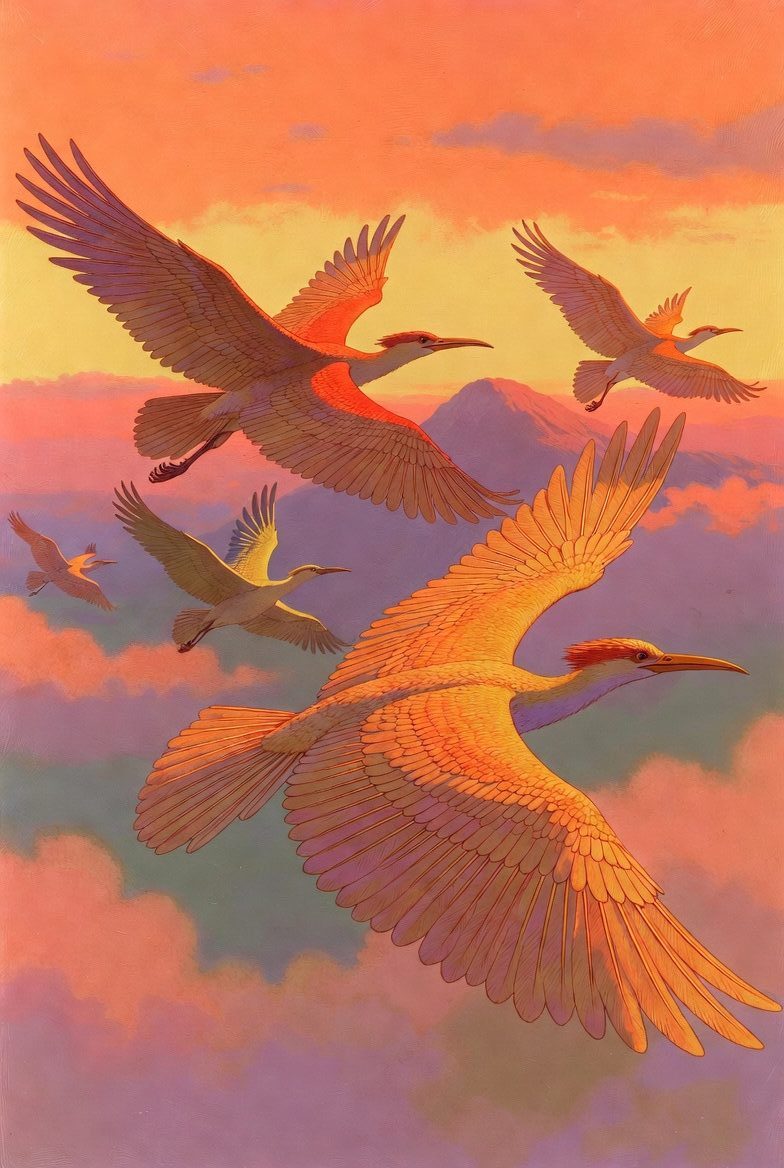
Suddenly, she looked up and saw a flock of Rampangma birds flying across the sky. She raised her arms and cried out to them:
“O Rampangma birds! Hear my sorrow! Take me with you—I no longer wish to live in this world. Give me your feathers so I may fly with you.”
The Rampangma birds, moved by her plea, each dropped a feather. The girl picked them up and fastened them to her body. Slowly, her body became covered in feathers, and with wings like theirs, she soared into the sky—flying away with the birds.
That evening, when her father and stepmother returned from the fields and found her missing, they began searching frantically. Suddenly, they looked up—and to their shock, saw a flock of Rampangma birds flying across the sky, with their daughter among them.
From above, the girl called out, “I’m flying away with the Rampangma. I will not return.”
Her father wept and shouted, “Come back, daughter! All your wedding ornaments, the drums, the gongs, the flutes we’ve prepared—they’re waiting for you! Please come home!”
But the girl shook her head. “No. I will never come back.”
Just then, the birds swooped down, took all the ornaments, the drums, the gongs, and flutes—and as they flew off into the sky, they played a final farewell tune. The sound echoed across the hills like a song of parting.
And they never returned.
To this day, in Mro villages, people believe:
When flocks of Rampangma birds fly across the sky,
and their wings beat with a deep, mournful rhythm—
it is the sound of that ancient farewell.
The farewell of a girl who flew away,
carried by sorrow,
into the sky.
ম্রো রূপকথা — রামপাংমা পাখি আর সেই মেয়ে
অনেক দিন আগের কথা। পাহাড়ের কোলে এক ম্রো গ্রামে বাস করত এক ম্রো পুরুষ, তার স্ত্রী আর একমাত্র কন্যা। ঝরনার মতো হাসি ছিল মেয়েটির, গাছপাকা লাল পেয়ারার মতো ছিল তাদের সংসার।
কিন্তু হঠাৎই সব বদলে গেল। মেয়েটির মা কঠিন অসুখে পড়ে মারা গেলেন। তখন মেয়েটি কেবল কৈশোরে পা দিয়েছে। মায়ের চলে যাওয়ার পর, যেন হাওয়া শুকিয়ে গেল তার ভিতরে — খেলা, হাসি, গান, সব হারিয়ে গেল।
বেশ কিছুদিন পর মেয়েটির বাবা নতুন করে বিয়ে করলেন, সংসার সামলানোর জন্য। কিন্তু সেই সত্মা যে এলো, সে যেন আগুন নিয়ে এলো ঘরে। মেয়েটিকে দেখতেই পারত না সে। ঘুম থেকে উঠে রাত হওয়া পর্যন্ত, সব কাজ তার কাঁধে। রান্না, পানি আনা, কাঠ কাটা, গবাদি পশুর দেখভাল—সব। আর একটু ভুল হলেই গালমন্দ, অপমান।
মেয়েটি মুখ বুজে সহ্য করত। কান্না করত কেবল রাতে, পাহাড়ের বাতাস জানত তার দুঃখের কথা। বাবা সব জানতেন, কিন্তু কিছু বলতেন না। সারাদিন জুমে খেটে ক্লান্ত শরীরে সন্ধ্যায় ফিরলে স্ত্রীর সঙ্গে ঝগড়া করার শক্তি আর থাকত না। তাই চুপ করেই থাকতেন। বরং স্ত্রীর বানানো মিথ্যে অভিযোগও কখনো কখনো বিশ্বাস করতেন।
মেয়েটির ভিতরে জমতে লাগল একাকিত্বের পাথর। একদিন ভোরবেলা, কাজ ফেলে, কাঁদতে কাঁদতে সে হেঁটে চলে গেল বনের ভিতর।
চলতে চলতে এসে পৌঁছাল এক বিশাল উইপোকার ঢিবির সামনে। সেখানে দাঁড়িয়ে সে চোখ বুজে প্রার্থনা করল, “ওহে উইপোকা ভাইয়েরা, দয়া করে আমার চোখ, কান আর নাক ছাড়া পুরো শরীর মাটি দিয়ে ঢেকে দাও। কেউ যেন আমাকে চিনতে না পারে।”
উইপোকারা তার অনুনয় বুঝল। তারা তার শরীর মাটি দিয়ে ঢেকে দিল। এরপর মেয়েটি আবার হাঁটতে শুরু করল। হঠাৎ আকাশের দিকে তাকিয়ে দেখল একঝাঁক ‘রামপাংমা’ পাখি উড়ছে পাহাড়ের ওপারে।
সে হাত তুলে ডেকেছিল, “ও রামপাংমারা! আমার দুঃখের কথা শোনো। আমাকে নিয়ে যাও তোমাদের সাথে, আমি আর এই মাটিতে ফিরতে চাই না। আমাকে তোমাদের মতো করে পাখা দাও!”
রামপাংমারা তার কান্না শুনল। তারা তাদের পালক থেকে একটি করে পাখা ফেলে দিল। মেয়েটি সেগুলো তুলে গায়ে লাগাল। ধীরে ধীরে তার শরীর পালকে ঢেকে গেল। তারপর সে রামপাংমাদের সঙ্গে আকাশে উড়ে গেল।
সেই সন্ধ্যায় বাবা আর সত্মা জুম থেকে ফিরে মেয়েকে কোথাও খুঁজে পেল না। চারদিকে খোঁজাখুঁজি করতে করতে হঠাৎ তারা তাকাল আকাশের দিকে। দেখল, এক ঝাঁক রামপাংমা পাখির সাথে উড়ে চলেছে তাদের মেয়েও।
মেয়েটি ওপরে থেকে বলল, “আমি আর ফিরব না। আমি চলে যাচ্ছি পাহাড়ের ওপারে, আকাশের দেশে, যেখানে কেউ আমাকে কষ্ট দেবে না।”
বাবা কাঁদতে কাঁদতে বললেন, “ফিরে এসো মা! তোমার বিয়ের অলঙ্কার, তোমার জন্য প্রস্তুত করা ঢোল, কাঁসার ঘণ্টা, বাঁশি—সব কিছু তোমার জন্য তোলা আছে। ফিরে এসো!”
কিন্তু মেয়েটি ফিরল না। বরং রামপাংমারা নেমে এসে সব অলঙ্কার, ঢোল, কাঁসার ঘণ্টা, বাঁশি নিয়ে নিল। আর সেইসব বাজিয়ে বাজিয়ে বিদায় জানিয়ে তারা আকাশে মিলিয়ে গেল।
সেই যে তারা উড়ে গেল, আর কখনো ফিরে এল না।
আজও ম্রো গ্রামে যখন রামপাংমা পাখির ঝাঁক উড়ে যায় আকাশে, আর তাদের পাখার শব্দ বাজে করুণ সুরে—লোকজন বলে,
“ওই যে, সেই মেয়েটির বিদায়ের সুর বাজছে! সেই সুর, যা একদিন ঢোল-কাঁসা-বাঁশিতে বাজিয়ে আকাশে মিলিয়ে গিয়েছিল।”
এই বিশ্বাস এখনো রয়ে গেছে ম্রো হৃদয়ে—পাখার শব্দও যে একদিন কারও কান্না বহন করেছিল।