
Indigenous Language Notice
This material was documented through engagement with Mro oral and written traditions.
While standardized scripts and knowledgeable language practitioners do exist, producing accurate, verified transcriptions requires trained contributors, time, and fair compensation. At this self-funded stage of the project, it has not been possible to undertake this work responsibly.
Roots and Rights Collective is committed to developing properly resourced, community-led, and consent-based transcription and archiving of indigenous languages in future phases of this initiative.
Mro Folktale — The Chasm of the Serpent King: A Tale of a Vanished Village
Long, long ago, atop a high mountain ridge, there was a Mro village called Boga. It was home to a hundred families, all living together in peace and harmony. The village chief, an elderly and wise man named Boga, was deeply respected by all.
Life was simple. The villagers farmed their jhum fields, worked hard, and celebrated their festivals with joy. The most cherished celebration was Chiasad Poi, the harvest festival, when they offered animal sacrifices to the spirits. It was a time of dance, laughter, and song.
But then, strange things began to happen.
At first, livestock started disappearing. Goats vanished from their pens. Chickens never returned to their coops. Then, children—one by one—began to go missing. As if the earth itself had swallowed them whole.
Chief Boga called for a village gathering. Faces were pale with worry. “My little boy never came home from play,” said one man. “My cow disappeared just days ago,” said another. An elder muttered, “Perhaps we’ve angered the spirits. We haven’t held the Kháng ritual in two years.”
So they held the ritual the next morning. A grand offering was made: a black bull sacrificed, prayers chanted, drums beaten. But it changed nothing.
More children disappeared.
That’s when Menlang cried out, “My daughter went to the spring—and never came back!”
Another man, Singbot, suggested they perform the Tangmangtuk ritual to appease the river spirits. This time, the villagers offered goats, chickens, ducks, and even doves—always in pairs.
But just as the ritual began, terrible news came—Chief Boga’s own daughter had vanished.
Devastation swept through the village.
A fourth council was held. Boga stood before the people and declared, “If we fail again, we must abandon this place. No village can survive where its children are eaten by shadows.”
A search party was formed. They combed the forest for two days, but found nothing. Then, a boy came running from the village center.
“There’s a strange pit in the bushes!” he said.
They rushed to see. There, hidden beneath thickets, was a gaping chasm—deep and dark, surrounded by unnaturally clean ground, as though swept daily by unseen hands.
“This is no ordinary pit,” muttered Singbot. “This is the mouth that has swallowed our sons and daughters.”
The villagers decided to set a trap. They tied a goat to a wooden post near the chasm and watched. But in the morning, the post was gone—dragged away as though it had never been.
An old man said, “This pit leads to the lair of the Serpent King. He is no ordinary snake. He carries the earth on his back. He cannot be harmed.”
Menlang screamed, “Then he has eaten my daughter! I’ll rip out his heart!”
“I agree,” said Singbot. “This creature must die.”
“But how?” asked the chief.
Then came Klamfai, the village blacksmith. “I’ll forge the biggest hook you’ve ever seen. But I need help.”
Everyone worked together. For seven days and nights, they hammered and shaped a massive iron hook, five arms in length. A pig was tied to it as bait, and the villagers heaved it into the pit with a thousand-arm rope.
At dawn, the rope was nearly all gone—only a few arms remained above ground.
Then, they pulled.
Something tugged back.
The ground trembled. The wind screamed.
From the abyss rose the Serpent King—his eyes like molten rubies, his coils vast enough to encircle the entire village seven times. The people screamed, but they did not stop. They pulled and hacked and fought.
And finally, the serpent was slain.
His flesh was divided among the villagers. But the widow and her grandson, Singmen, received nothing.
“Bringing serpent meat into a widow’s home brings misfortune,” the others said.
The serpent’s body took seven days to completely vanish into the pit. Every day, a piece fell in—thudding like a falling mountain.
Boga was delighted. “We will celebrate Chiasad Poi on the next full moon,” he declared. “No more fear. No more sorrow!”
When the day came, drums rang out. Children danced. Men sang. Women laughed. The village rejoiced.
But no one invited the widow or Singmen.
“Something is coming,” the old woman whispered to her grandson. “Don’t go near the celebration.”
Singmen stayed home. He fell asleep to the sound of distant drums.
But at dawn, the mountains shook.
A roar tore through the valley. Earth split open. Trees fell. Water surged.
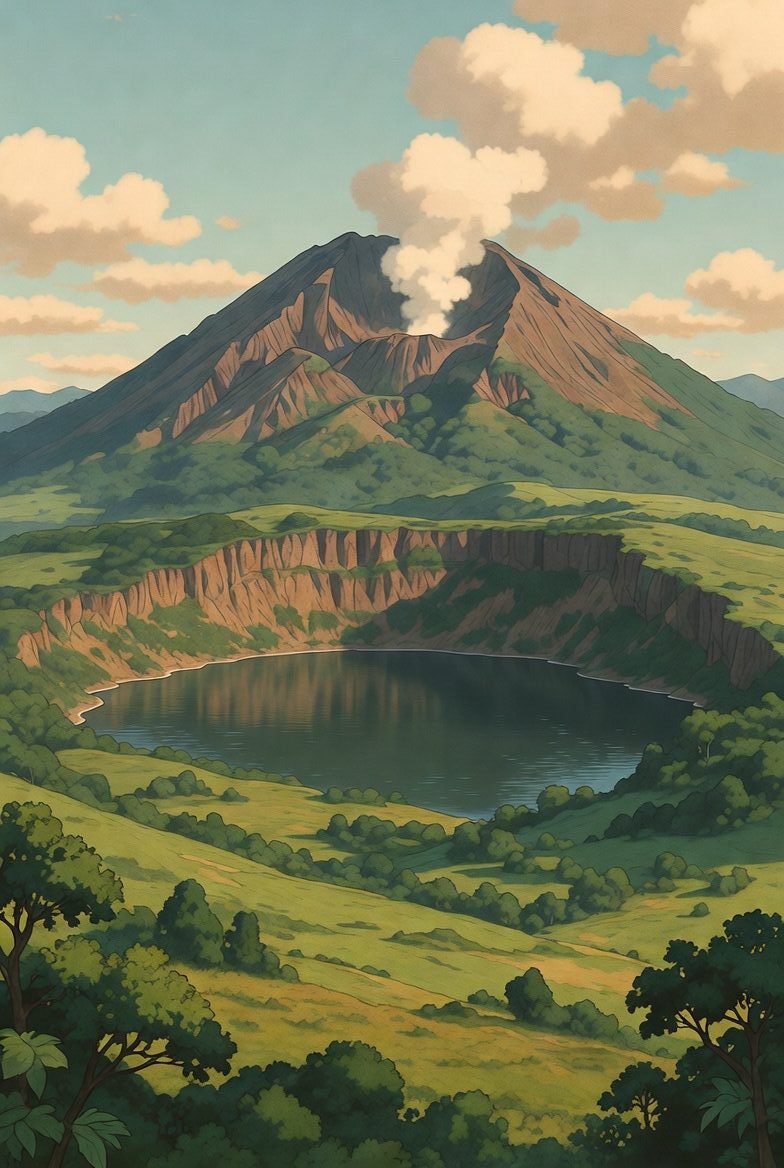
And in the place where Boga village once stood, there was only a lake—silent, endless, still.
Only the old woman and her grandson survived. Standing at the edge of the high cliff, they watched the golden sun rise over silver ripples.
Their village was gone, swallowed by the Serpent King’s revenge.
ম্রো রূপকথা — নাগ রাজার খাদ: এক হারিয়ে যাওয়া গ্রামের গল্প
অনেক অনেক দিন আগের কথা। পাহাড়ের চূড়ায় ছিলো এক ম্রো গ্রাম—নাম বগা। একশত পরিবারে গড়া সেই গ্রাম ছিলো সুখে-শান্তিতে ভরা। গ্রামের প্রধান ছিলো বগা নামের জ্ঞানী এক কারবারী।
সবাই একত্রে জুম করতো, পরিশ্রম করতো, উৎসব করতো। বছরে একবার নবান্ন উপলক্ষে গরু বলি দিয়ে পূজা হতো—চিয়াসদ পই। সেই ছিলো সবচেয়ে বড় আনন্দের দিন।
কিন্তু একসময় অশুভ কিছু ঘটতে শুরু করলো। প্রথমে হারিয়ে যেতে লাগলো গৃহপালিত পশু। এরপর শিশুদের—তাদের প্রিয় সন্তানেরা হারিয়ে যেতে লাগলো একে একে। যেন মাটি গিলে নিচ্ছে।
কারবারী বগা সভা ডাকলো। গ্রামের সবাই চিন্তিত। লোলেং বললো, “আমার ছোট ছেলে খেলতে গিয়ে আর ফিরে আসেনি।” অন্যরা জানালো, কেউ গরু হারিয়েছে, কেউ ছাগল। একজন বললো, “গত দুই বছর পূজা দিইনি। হয়তো সেই কারণে অপদেবতা রুষ্ট হয়েছে।”
সিদ্ধান্ত হলো, পরদিন পূজা হবে। খাং নামের সেই পূজা হলোও, কিন্তু ফল এলো না। বরং আরো সন্তান হারিয়ে যেতে লাগলো। আতঙ্ক ছড়িয়ে পড়লো।
একদিন মেনলাং খবর নিয়ে এলো, “আজ আমার ছোট মেয়ে ঝরনায় গিয়ে হারিয়ে গেছে।” সিংবত বললো, “আরো একবার পূজা করা যাক, এবার নদীর পূজা—তংমাংতুক।”
সেই পূজায় বলি দেওয়া হলো গরু, ছাগল, হাঁস-মুরগি, কবুতর—জোড়া জোড়া করে। সবাই বিশ্বাস করলো, এবার হয়তো মুক্তি মিলবে।
কিন্তু ঠিক সেই পূজার দিন খবর এলো—বগা কারবারীর ছোট মেয়ে নেই! বগা ছুটে গেলো বাড়িতে। পূজা স্থবির হয়ে পড়লো।
পরদিন চতুর্থবারের মতো সভা বসলো। বগা বললো, “এই সভা আমাদের শেষ চেষ্টা। যদি এবারও কিছু না হয়, তাহলে এ গ্রাম ছেড়ে চলে যাবো।”
সবাই সম্মত হলো। তারা দল বেঁধে পাহাড়-জঙ্গল ঘুরলো। প্রথম দিন কিছুই পেলো না। দ্বিতীয় দিন সন্ধ্যার আগ মুহূর্তে একজন ছোট ছেলেটি খবর দিলো—“গ্রামের মাঝখানে ঝোপের ভেতর এক অদ্ভুত খাদ!”
সেই খাদ যেন জীবন্ত! তার চারপাশ ঝকঝকে পরিষ্কার। কেউ যেন প্রতিদিন ঝাড়ু দেয়। খাদটিকে ঘিরে দাঁড়িয়ে সিংবত বললো, “এই খাদই আমাদের সন্তানদের গিলে নিচ্ছে।”
পরামর্শ হলো, ফাঁদ পাতা হোক। ফাঁদ পাতা হলোও। কিন্তু পরদিন দেখা গেলো—ফাঁদ উধাও! যেন কেউ তুলে নিয়ে গেছে দূরে।
এক বৃদ্ধ বললো, “এটা সাধারণ খাদ নয়। এটা নাগ রাজার হাওয়া চলাচলের পথ। এই সাপের উপরই আমাদের পৃথিবী ভর করে আছে। একে মারা যাবে না।”
কিন্তু মেনলাং চিৎকার করে উঠলো, “এই সাপ আমার মেয়েকে খেয়েছে! আমি তাকে ছেড়ে দেবো না!”
সিংবতও বললো, “সত্যি, নাগ রাজার মৃত্যু ছাড়া আমরা শান্তি পাবো না।”
কারবারী প্রশ্ন করলো, “তাহলে কিভাবে নাগ রাজাকে ধরা যায়?”
গ্রামের কামার, ক্লামফাই বললো, “আমি এক বিশাল বড়শি বানাবো। কিন্তু সাহায্য লাগবে।” সবাই একসাথে কাজ করলো। এক সপ্তাহে বানানো হলো মন ওজনের বড়শি, পাঁচ হাত লম্বা। বড়শিতে গাঁথা হলো শুকর। এক হাজার হাত লম্বা দড়ি বেঁধে ফেলা হলো খাদের ভেতর।
ভোরে দেখা গেলো—দড়ির কেবল পাঁচ হাত দেখা যাচ্ছে। বাকি সব তলিয়ে গেছে খাদে। সবাই মিলে দড়ি টানতে শুরু করলো। হঠাৎ উদয় হলো সেই নাগ রাজা—চোখ যেন জ্বলন্ত রত্ন, শরীর দীর্ঘ-দৈর্ঘ্যে গ্রামের চারপাশে সাতবার প্যাঁচ! অবশেষে কেটে ফেলা হলো সাপটিকে।
মাংস ভাগ হলো। কিন্তু একমাত্র সেই বিধবা বুড়ী ও তার নাতি সিংমেন পেলো না। “বিধবার ঘরে নাগ রাজার মাংস অমঙ্গল ডেকে আনবে”—এই কুসংস্কারে তাদের বাদ দেওয়া হলো।
সাপের দেহের বাকি অংশ সাতদিন ধরে খাদে গড়িয়ে পড়লো—আওয়াজে যেন ভূকম্পন, যেন মাটি ভেঙে যাচ্ছে।
বগা কারবারী খুশিতে ঘোষণা করলো, “পরের পূর্ণিমায় চিয়াসদ পই উদযাপন করবো। আর কোনো দুঃখ থাকবে না। এবার আমরা আনন্দ করবো।”
চৈত্রের পূর্ণিমায় হলো সে উৎসব। গান, নাচ, আনন্দ। সবাই মাতোয়ারা। কারবারী, মেনলাং, সিংবত, লাংসিং—সবাই গাইলো, নাচলো।
কিন্তু সেদিন ডাকা হয়নি সেই বুড়ী ও তার নাতিকে। সিংমেন ছিলো পনেরো বছরের কিশোর। দাদী তাকে বললো, “আজ কিছু একটা ঘটবে। সাবধান, ও উৎসবে যাস না।”
সিংমেন দাদীর কথা শুনে ঘুমিয়ে পড়লো। কিন্তু ভোরেই গর্জে উঠলো এক মহা শব্দ। যেন পাহাড় ভেঙে পড়ে, মাটি দুমড়ে মুচড়ে যায়।
যেখানে ছিলো একশত পরিবার নিয়ে গড়া বগা গ্রাম, সেখানে এখন বিশাল হ্রদ। নিঃশব্দ, নিস্তব্ধ।
শুধু বুড়ী আর সিংমেন দাঁড়িয়ে দেখলো—সোনালি ঊষার আলো রূপালি ঢেউয়ের গায়ে খেলা করছে। পাহাড়ের সেই প্রাচীন গ্রাম এখন শুধুই একটি জলরাশি।