
Indigenous Language Notice
This material was documented through engagement with Mro oral and written traditions.
While standardized scripts and knowledgeable language practitioners do exist, producing accurate, verified transcriptions requires trained contributors, time, and fair compensation. At this self-funded stage of the project, it has not been possible to undertake this work responsibly.
Roots and Rights Collective is committed to developing properly resourced, community-led, and consent-based transcription and archiving of indigenous languages in future phases of this initiative.
Mro Folktale — Story of a Witch
In a remote hill village, a brother and sister lived alone. Their parents had died when they were very young. They had no one but each other. Living off the land, they survived by growing rice on the jhum fields of the mountain.
One year, they cleared a new patch of hillside to sow rice. The seedlings sprouted, and golden sunlight danced on the ripening grain. But before the harvest, flocks of parrots descended and began pecking away the crop. The brother said to his sister,
— “You keep watch over the field. I’ll look after the chores at home.”
The next day, the sister went to guard the jhum. As she tried to shoo the birds away, she suddenly heard a voice—one that mimicked her own—crying out from across the field,
— “Oh birds, don’t eat our rice!”
Frightened, she ran back home and told her brother. The following day, the brother went to the field himself. Mimicking his sister’s voice, he called out, and sure enough, a voice—exactly like hers—answered back. Alert, he ventured into the forest in search of the mimic. Deep in the woods, he found a strange witch sitting beneath a tree with her child.
The witch glared at him and hissed,
— “If you don’t marry me, you’ll be my next meal.”
Terrified, the brother agreed. That evening, he brought the witch home as his wife. But each day she demanded something new—greens, vegetables, a banana flower. Then one day she said,
— “Bring me that little chick from the yard. I’m craving it.”
The brother understood at last—what she truly craved was his sister. He asked his sister,
— “Which flower have you never worn in your hair?”
The sister replied,
— “The lassa flower.”
At dawn, they set off to find it. Reaching the tree, he told his sister to sit beneath it, and covered her head with a bamboo sieve so she couldn’t see. Then he climbed the tree and began dropping branches. But each time, he made sure they missed her.
Tears welled up in his eyes and dripped through the sieve.
— “Brother, is it raining?”
— “No,” he said. “Just mist from the hills.”
At last, he dropped a branch straight onto her head. She fell lifeless. A squirrel scurried up, snatched a small piece of her flesh, and ran off.
That night, the witch—joyful and hungry—cooked the sister’s meat and ate it with delight.
Days passed. The witch began devouring everything in the field—pumpkins, vegetables, whatever she could find. Her belly ached, and she writhed in pain before falling into a deep sleep.
Meanwhile, the squirrel carefully wrapped that tiny piece of meat in cotton. After seven days, from the soft bundle, a baby girl was born. She grew into a beautiful young girl, spending her days playing the flute alone in the forest, hidden away by the squirrel so no one could find her.
One day, the brother heard a haunting tune and followed it to the squirrel’s cottage.
— “I’m the one playing the flute,” the squirrel said.
But the brother saw a girl whose eyes, whose face—held the memory of his lost sister. In time, he learned that this girl was indeed her reincarnation. But the sister refused to return home, afraid the witch would kill her again. The brother whispered,
— “I’ve already killed the witch.”
To prove it, he first showed her pig’s blood. Then chicken blood. But she didn’t believe him. Finally, he truly did slay the witch—trapped her, ended her—and brought his sister home.
Before leaving for the jhum field, the brother said,
— “Don’t step outside for seven days. No matter who calls, do not open the door.”
Seven days later, the squirrel returned to find the girl missing. Searching high and low, it reached the brother’s house and called from the porch. But the girl replied,
— “My brother has forbidden me to come out. I won’t.”
Furious, the squirrel—eyes blazing, machete in hand—burst out,
— “Your brother’s not here. Who are you listening to?”
It smashed the fence, the windows, the pots and pans. Then demanded,
— “Bring me water! Can you survive with a dry throat?”
But the girl shook her head, trembling.
— “My brother stored water for seven days. He said if I touch the river water, I’ll turn to earth.”
The squirrel smiled slyly and stepped closer. It pierced every gourd the water had been kept in, then pointed,
— “Look! There’s no water left. They’re all empty.”
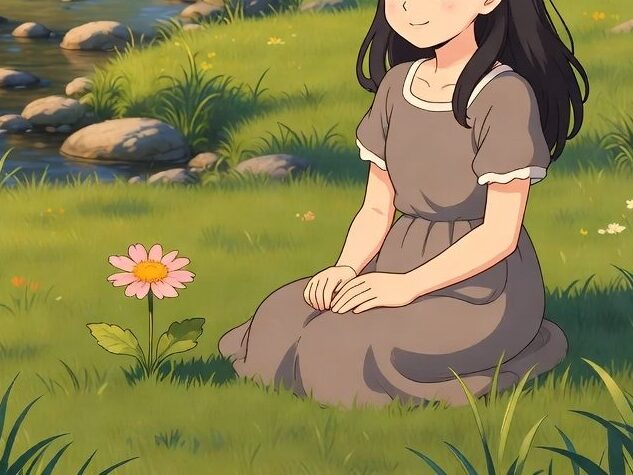
Deceived, the girl believed there truly was no water. So the two of them walked down to the stream. Mist swirled gently over the surface. The moment her fingers touched the water, her form began to melt into the earth—as though a forgotten shadow had dissolved back into silence.
No scream. No cry. Only a single dolonchampa flower bloomed where she once stood.
The squirrel, tail held high, vanished into the hills.
ম্রো রূপকথা — এক ডাইনীর গল্প
অনেক অনেক দিন আগের কথা। পার্বত্য এক গ্রামে দুই ভাইবোন বাস করত—তাদের বাবা-মা মারা যান যখন তারা খুবই ছোট। একে অপরই ছিল তাদের সম্বল। পাহাড়ের জুমে ধান লাগিয়ে তারা বেঁচে থাকত।
এক বছর তারা পাহাড়ের ঢালে নতুন জুম কাটে। ধান গজায়, শীষে রোদের ঝিলিক পড়ে। কিন্তু সেই ধান পাকার আগেই টিয়ে পাখির দল এসে ধান কুটতে শুরু করে। ভাই তখন বোনকে বলল,
— “তুমি পাহারা দাও, আমি বাড়ির কাজ দেখছি।”
বোন পরদিন জুম পাহারায় গেল। পাখিদের তাড়াতে গিয়ে হঠাৎ সে শুনল, কে যেন তার কণ্ঠ নকল করে বলছে,
— “ওরে পাখি, আমাদের ধান খেও না!”
শব্দটা জুমের অপর প্রান্ত থেকে আসে। বোন ভয় পেয়ে বাড়ি ফিরে ভাইকে জানায়। ভাই পরদিন নিজেই জুমে যায়। সে নিজের বোনের গলায় ডাকে, আর ঠিক তখনই জবাব আসে—একেবারে একই গলায়। সজাগ হয়ে ভাই অরণ্যে খুঁজতে খুঁজতে পায় এক গাছতলায় বসে থাকা এক রহস্যময় ডাইনী আর তার সন্তানকে।
ডাইনী হুমকি দিল:
— “আমায় বিয়ে না করলে, তুই হবি আমার পরের আহার।”
ভয়ের চাপে পড়ে ভাই রাজি হলো।
সন্ধ্যায় ভাই ডাইনীকে বউ করে ঘরে আনে। কিন্তু ডাইনী প্রতিদিন নতুন দাবি করে—শাক, তরকারি, কলার মোচা, এমনকি বলল,
— “বাড়ির ছোট মুরগির বাচ্চাটা এনে দে, খেতে মন চায়।”
ভাই বুঝে যায়, ওর আসল ইচ্ছা বোনকে খাওয়া। তখন সে বোনকে জিজ্ঞেস করে,
— “কোন ফুলটা এখনও খোঁপায় গুঁজোনি?”
বোন বলল,
— “লসা ফুল।”
ভোরে তারা লসা ফুল আনতে গেল। বোনকে ভাই বসতে বলল গাছের নিচে—মাথা ঢেকে দিল চালুনে, যেন কিছু না দেখে। তারপর গাছে উঠে বারবার ডাল ছুঁড়ে মারতে লাগল। কিন্তু প্রতিবারই বোনের গায়ে না লেগে পাশ দিয়ে পড়ে। ভাইয়ের চোখের জল ঝরে চালুনে পড়ে।
— “ভাইয়া, উপরে বৃষ্টি?”
— “না, কুয়াশার ফোঁটা।”
শেষবার ডাল পড়ল সোজা বোনের মাথায়। সে নিথর হয়ে গেল। এক কাঠবিড়ালী একটি ছোট মাংসের টুকরো নিয়ে গেল। সেই রাতেই ডাইনী খুশিতে বোনের মাংস রান্না করে খেল।
দিন গেল, ডাইনী জুমে গিয়ে যত কুমড়ো, শাকসবজি পায়, গিলে ফেলে। বাড়ি ফিরে পেট ব্যথায় ছটফট করতে করতে ঘুমিয়ে পড়ে।
অন্যদিকে কাঠবিড়ালী সেই ছোট্ট মাংসটুকু তুলায় মুড়ে রাখে। সাতদিন পর তুলার ভেতর থেকে জন্ম নেয় এক অপূর্ব মেয়ে শিশু। সময় গড়ায়, সে কিশোরী হয়, একা বসে বাঁশি বাজায়, কেউ যেন তাকে না খুঁজে পায় বলে কাঠবিড়ালী তাকে লুকিয়ে রাখে।
ভাই একদিন বাঁশির সুর শুনে খুঁজতে খুঁজতে পৌঁছে যায় কাঠবিড়ালীর কুটিরে। কাঠবিড়ালী বলে,
— “আমি বাঁশি বাজাচ্ছি।”
কিন্তু ভাই দেখতে পায় এক কিশোরী, যার চোখে মুখে তার মৃত বোনের ছায়া। কথায় কথায় জানে—এই মেয়েটি তার বোনের পুনর্জন্ম। কিন্তু বোন ফিরতে চায় না, ভয় করে ডাইনী আবার মেরে ফেলবে। ভাই বলে,
— “ডাইনীকে আমি মেরে ফেলেছি!”
প্রমাণ দেখাতে ভাই শূকরের রক্ত এনে দেখায়, পরে মুরগির। কিন্তু বোন বিশ্বাস করে না। অবশেষে সত্যি সত্যিই একদিন ডাইনীকে ফাঁদে ফেলে মেরে ফেলে ভাই। বোনকে নিয়ে ফেরে নিজ ঘরে।
ভাই জুমে যাওয়ার সময় বোনকে বলে,
— “কেউ ডাকলে বের হবে না, সাতদিন শুধু ঘরে থাকো।”
সাতদিন পর কাঠবিড়ালী ফিরে এসে দেখে কিশোরী নেই। খুঁজতে খুঁজতে সে পৌঁছে যায় ভাইয়ের বাড়িতে। বারান্দা থেকে ডাকে, কিন্তু কিশোরী বলে,
— “ভাইয়া নিষেধ করেছে, বাইরে যাবো না।”
কিশোরী দরজা খুলছিল না দেখে কাঠবিড়ালী রাগে ফেটে পড়ল। চোখে আগুন, হাতে দা—সে গর্জে উঠল।
— “তোর ভাই তো নেই, তুই কার কথা শুনিস?”
সে ঘরের বেড়া, জানালা, হাড়ি-পাতিল সব ভেঙে ফেলল। তারপর বলল,
— “পানি আন! তুই কি শুকনো মুখে বাঁচবি?”
কিন্তু কিশোরী মাথা নাড়ল। কাঁপা কণ্ঠে বলল,
— “ভাইয়া সাত দিনের পানি তুলে রেখেছে। আর বলেছে, পানি ছুঁলেই আমি মাটির সঙ্গে মিশে যাব।”
তখন কাঠবিড়ালী মুখে এক ছলনাময় হাসি নিয়ে এগিয়ে এলো। সে পানি রাখার সব লাউয়ের খোলস ছিদ্র করে দেখাল—
— “দেখ! কোথাও তো পানি নেই। সব শুকনো!”
বোকা মেয়েটি ধোঁকায় পড়ল। ভাবল, সত্যিই তো কিছুই বাকি নেই।
তারা দু’জনে হাঁটতে হাঁটতে পৌঁছাল খালের ধারে। জল যেন কুয়াশার মতো কাঁপছিল। কিশোরী হাত বাড়িয়ে জল ছুঁতেই, এক বিস্মৃত ছায়া যেন ধীরে ধীরে তার শরীরকে গলিয়ে মাটির সঙ্গে মিশিয়ে দিল।
কোনো চিৎকার, কোনো কান্না নয়। শুধু সেখানে ফুটে উঠল একটি দোলনচাঁপা ফুল, কাঠবিড়ালী লেজ উঁচু করে পাহাড়ের দিকে পালিয়ে যায়।