
မာရ်မာ ဝတ္ထုပုံပြင်— ခေါင်းသုံးလုံးလူနှင့် ဖခင်၏ အကြံဉာဏ်
Translated by U Wainnita
အဲဒါက ကြာမြင့်စွာကပါ။ တောင်တွေဝန်းရံထားတဲ့ ရွာတစ်ရွာမှာ ကြိုးစားအားထုတ်တဲ့ လယ်သမားတစ်ယောက် နေထိုင်ခဲ့တယ်။ သူ့မှာ လယ်၊ စပါးဆန်ရီ၊ တင်းကုပ်ထဲမှာ နွားတွေနဲ့ ခြံထဲမှာ ကြက်တွေရှိတယ်။ သားနှစ်ယောက်နဲ့အတူ ငြိမ်းချမ်းသာစွာ နေ့ရက်တွေကို ဖြတ်သန်းခဲ့တယ်။
တစ်နေ့မှာ လယ်သမားဟာ ရုတ်တရက် ပြင်းထန်စွာ နေမကောင်းဖြစ်ခဲ့တယ်။ ဘဝရဲ့နေဝင်ချိန်ရောက်တော့မယ်ဆိုတာ သူသဘောပေါက်လိုက်တယ်။
သူသေဆုံးခါနီးတွင် သားများကိုခေါ်၍ “ငါထွက်သွားတော့မယ်။ ငါ့ရဲ့နောက်ဆုံးစကားတွေကို နားထောင်ပါ—
နေ့တိုင်း ငါးမုန့်သို့မဟုတ်ခေါင်းတစ်ရာသားကိုစားပါ၊
အိမ်နောက်ဖေးမှာ ဈေးဆိုင်ဖွင့်ပါ၊
ရွာတိုင်းမှာ ကောက်ပဲသီးနှံခြင်းတောင်းတွေ လုပ်ပါ၊
တစ်နေ့သုံးကြိမ် လုံချည်လဲပါ၊
ရေမွှေးနဲ့ စန္ဒကူးကို သုံးကြိမ် ခန္ဓာကိုယ်မှာ လိမ်းပါ၊
ခေါင်းသုံးလုံးရှိတဲ့သူဆီက ဉာဏ်ပညာကို ရှာဖွေပါ” ဟု ပြောခဲ့သည်။
ဒီလိုပြောပြီး လယ်သမားအိုကြီးက တစ်ဖက်ကမ်းကို သေသွားတယ်။
အကြီးဆုံးသားက ရိုးသားပေမယ့် မိုက်မဲတယ်။ သူ့အဖေရဲ့ စကားတွေကို ကြားတဲ့အတိုင်း ဆက်လုပ်နေခဲ့တယ်။
ဈေးကနေ ငါးကြီး သို့မဟုတ်ခေါင်းတစ်ရာသားများကို ဝယ်ပြီး နောက်ဖေးမှာ ဈေးဆိုင်ဖွင့်တယ်၊ ရွာတိုင်းမှာ ကောက်ပဲသီးနှံတွေ ထုပ်ပိုးတယ်။ သူ့ရဲ့ လုံချည်ကို တစ်နေ့သုံးကြိမ် လဲတယ်၊ ပိုက်ဆံကုန်တဲ့အထိ ရေမွှေးနဲ့ စန္ဒကူးနံ့သာ လိမ်းတယ်။
ကုန်ကျစရိတ်တွေ တိုးလာပေမယ့် ရလဒ်တွေကတော့ ဘာမှမဖြစ်ခဲ့ပါဘူး။ အချိန်တိုအတွင်းမှာပဲ သူဟာ အရာအားလုံး ဆုံးရှုံးပြီး ဆင်းရဲနွမ်းပါးသွားခဲ့ပါတယ်။
ဒါပေမယ့် သားငယ်ကတော့ ပညာရှင်ဉာဏ်ကောင်းသူပါ။ သူက “အဖေ့စကားတွေက ဒီလောက်ရိုးရှင်းလား။ ဒီအကြံဉာဏ်တွေမှာ နက်နဲတဲ့ အဓိပ္ပာယ်တစ်ခုခု ပုန်းကွယ်နေမှာ သေချာတယ်” လို့ တွေးလိုက်မိပါတယ်။
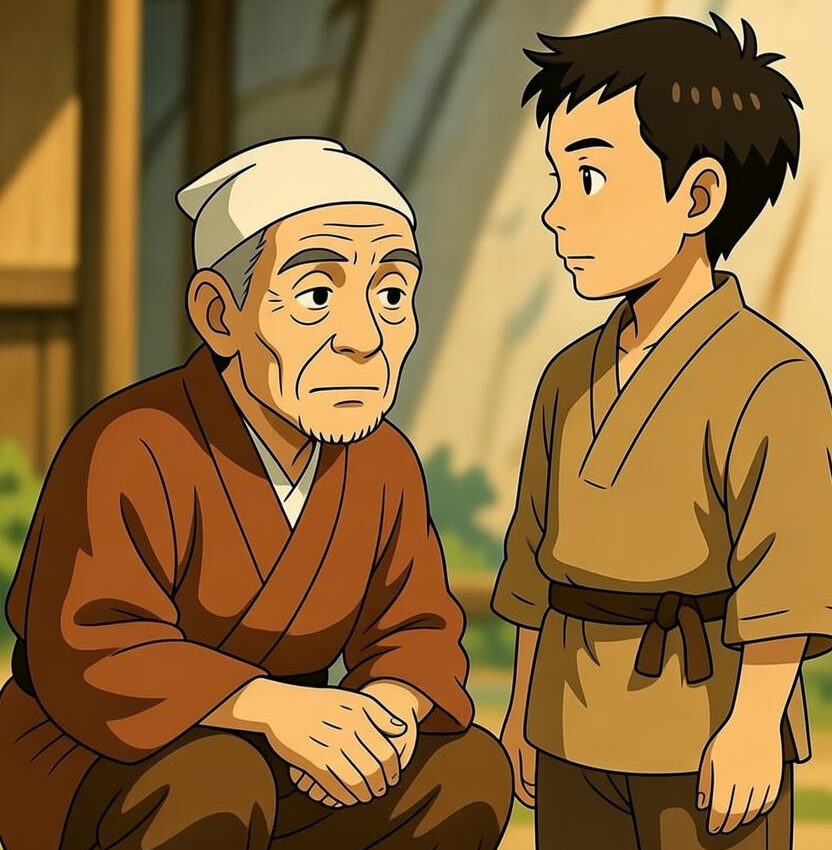
သူဟာ ခေါင်းသုံးလုံးနဲ့လူကို ရှာဖွေဖို့ ထွက်လာခဲ့ပါတယ်။ ရွာတွေ အများကြီးကို သွားရောက်လည်ပတ်ပြီးနောက် တောင်ကုန်းရွာတစ်ရွာမှာ သူတော်စင်အိုကြီးတစ်ယောက်ကို တွေ့ခဲ့ပါတယ်။ သူထိုင်တဲ့အခါ သူ့ဒူးတွေက ခေါင်းလောက်မြင့်နေသလို ထင်ရပြီး ခေါင်းသုံးလုံးပါနေသလို ထင်ရပါတယ်။
သားငယ်က သူ့ရှေ့မှာ ခေါင်းငုံ့ပြီး “အို ပညာရှိအဘိုးကြီး၊ အဖေ့အကြံဉာဏ်ရဲ့ အဓိပ္ပာယ်ကို ကျွန်တော် နားလည်ချင်ပါတယ်” လို့ ပြောပါတယ်။ အဘိုးကြီးက ပြုံးပြီး ပြောတယ် – “ကောင်လေးက ဉာဏ်ကောင်းတယ်။ နားထောင်ပါဦး –
“ခေါင်းတစ်ရာသား” ဆိုတာ ငါးမုန့်လေးတွေ စားတာကို ဆိုလိုတယ်။ ဈေးသက်သာတယ်၊ အာဟာရလည်း ပိုများတယ်။
“အိမ်နောက်ဖေးမှာ ဈေးဝယ်တာ” ဆိုတာ ခြံထဲမှာ ဥယျာဉ်စိုက်ပျိုးတာ၊ ကြက်ငှက်မွေးမြူတာလို့ အဓိပ္ပာယ်ရတယ်။ ဒါက မင်းရဲ့ဆိုင်ပဲ။
“ရွာတိုင်းမှာ ကောက်ပဲသီးနှံတွေ သိုလှောင်တာ” ဆိုတာ လိုအပ်တဲ့အချိန်မှာ ခိုလှုံရာရှာနိုင်အောင် နေရာတိုင်းမှာ မိတ်ဆွေဖွဲ့တာလို့ အဓိပ္ပာယ်ရတယ်။
“လုံချည်ကို သုံးကြိမ်လဲတာ” ဆိုတာ တစ်ခုခု မြန်မြန်မပျက်စီးအောင် အလှည့်ကျ ဝတ်တာလို့ အဓိပ္ပာယ်ရတယ်။
“ရေမွှေး – စန္ဒကူးနံ့သာ လိမ်းတာ” ဆိုတာ တစ်နေ့ကို သုံးကြိမ် လယ်ကွင်းထဲ သွားတာလို့ အဓိပ္ပာယ်ရတယ်။ မြေဆီလွှာရဲ့ အနံ့က အကောင်းဆုံး ရေမွှေးပဲ။
ပြီးတော့ ‘ခေါင်းသုံးလုံးလူ’ ဆိုတာ ကျွန်တော့်လို အသက်ကြီးပြီး အတွေ့အကြုံပိုရှိတဲ့သူဆီ သွားဖို့ပါ။”
သားငယ်က အရာအားလုံးကို နက်နက်ရှိုင်းရှိုင်း အာရုံစိုက်နားထောင်ခဲ့တယ်။ သူဟာ အရာအားလုံးကို စိတ်ထဲမှာ သိမ်းထားခဲ့တယ်။ သူဟာ ပြန်သွားပြီး သူ့အစ်ကိုကို အရာအားလုံးကို ရှင်းပြခဲ့တယ်။
ဒီနားလည်မှုနဲ့ သူတို့ဟာ ဘဝသစ်တစ်ခုကို စတင်ခဲ့ကြတယ်။ အိမ်ခေါင်မိုးပေါ်က ဥယျာဉ်၊ ကြက်ခြံ၊ ရေကန်ထဲက ငါးတွေနဲ့ ခင်မင်ရင်းနှီးမှုတွေပေါ့။
ကြိုးစားအားထုတ်မှု၊ ဉာဏ်ရည်ဉာဏ်သွေးနဲ့ စာနာမှုတွေနဲ့ ညီအစ်ကိုနှစ်ယောက်ဟာ ငြိမ်းချမ်းပြီး အောင်မြင်တဲ့ဘဝကို နေထိုင်ခဲ့ကြတယ်။
Marma Folktale — The Man with Three Heads and the Father’s Last Words
A long, long time ago, in a quiet hill village, there lived a well-off farmer. He had fields full of paddy, cattle in the shed, chickens in the yard, and two sons by his side. Life was simple, life was good.
But one day, the farmer fell gravely ill. Lying on his deathbed, he called his sons close and spoke his last words:
“Listen carefully, my sons.
— Eat a hundred fish heads every day.
— Build a shop behind your house.
— Store grain in every village.
— Change your lungi three times a day.
— Rub attar and sandalwood on your body thrice daily.
— And most importantly, take wisdom only from the man with three heads.”
And with that, the old farmer closed his eyes and passed on.
The elder son was simple but not wise. He took every word of his father literally.
He bought fish heads by the hundreds and ate them with every meal. He built a shop behind his house but sold nothing. He tried to build grain stores in many villages but couldn’t manage them. Mice, moisture, and thieves destroyed the stock.
He changed his lungi three times a day and applied attar and sandalwood like a prince.
Soon, his money was gone. All his effort brought him nothing but ruin.
But the younger son was thoughtful. He pondered his father’s strange advice. “Such words must hold deeper meaning,” he said to himself. “I must find someone truly wise—someone with three heads.”
So, he journeyed through forests and valleys, over rivers and hills, until in one quiet village, he found an old man sitting cross-legged. The man’s knees rose so high, they reached the level of his head. From afar, he looked as though he had three heads.
Bowing respectfully, the young man sat before him and asked, “Wise one, I seek the meaning of my father’s words. Please help me understand.”
The old man smiled, and spoke slowly:
“Your father was a man of wisdom. His words were not to be taken by the tongue, but by the heart.
— Eat a hundred fish heads means eat small fish. They are rich in strength and cost little.
— Build a shop behind your house means make a garden, raise hens and ducks. That is the true home economy.
— Store grain in every village means make friends far and wide. Then wherever you go, you’ll find welcome and warmth.
— Change your lungi three times a day means wear it wisely—rotate it so it lasts long.
— Rub attar and sandalwood thrice daily means go to your fields three times a day. The touch of earth, sweat, and sun is the true fragrance of labor.
— And take wisdom from the man with three heads—that means seek knowledge from elders. Age brings eyes that see far.”
The young son thanked the elder with deep gratitude. He returned to his village, shared the meanings with his elder brother, and began anew.
They worked the land, raised animals, grew gardens, and made friendships that crossed many hills. Together, the brothers lived a life full of peace, wisdom, and plenty.
মারমা রূপকথা — তিন মাথাওয়ালা লোক আর পিতার উপদেশ
সে অনেক দিন আগের কথা। পাহাড়ঘেরা এক গ্রামে বাস করত এক পরিশ্রমী চাষি। জমি ছিল, ধান ছিল, গোয়ালে গরু, উঠোনে হাস-মুরগি। দুই ছেলেকে নিয়ে শান্তিতে দিন কাটত তার।
একদিন হঠাৎ গুরুতর অসুখে পড়লেন সেই চাষি। বুঝলেন, জীবনের সূর্য অস্তমিত হতে চলেছে। মৃত্যুশয্যায় ছেলেদের ডেকে বললেন:
“আমি তো চলে যাচ্ছি। শোনো আমার শেষ কথা—
- প্রতিদিন শত মাছের মুড়ো খাবে,
- বাড়ির পেছনে দোকান করবে,
- সব গ্রামে শস্যের গোলা বানাবে,
- দিনে তিনবার লুঙ্গি পাল্টাবে,
- গায়ে তিনবার আতর-চন্দন মাখবে,
- আর তিন মাথাওয়ালা লোকের কাছ থেকে বুদ্ধি নেবে।”
এই বলে বৃদ্ধ চাষি পরপারে পাড়ি জমালেন।
বড় ছেলে ছিল সহজ-সরল, কিন্তু বোকা। বাবার কথাগুলো যেমন শুনেছিল, তেমনই করে চলতে লাগল।
বাজার থেকে শত শত মাছের মুড়ো কিনে খেল, পেছনের উঠোনে দোকান খুলল, প্রতিটি গ্রামে শস্যের গোলা বানাল। দিনে তিনবার লুঙ্গি বদলালো, আতর-চন্দন মাখাতে মাখাতে শেষ হলো গাঁটের টাকা।
খরচ বেড়ে গেল, ফল কিছুই হলো না। অল্পদিনেই সব হারিয়ে সে হয়ে গেল নিঃস্ব।
কিন্তু ছোট ছেলে ছিল বুদ্ধিমান। ভাবল, “বাবার কথা কি এমন সরল ছিল? নিশ্চয়ই এসব উপদেশের ভেতরে লুকিয়ে আছে গভীর মর্ম।”
সে বের হলো তিন মাথাওয়ালা লোকের সন্ধানে। অনেক গ্রাম ঘুরে, এক পাহাড়ি গাঁয়ে পেল এক বৃদ্ধ সাধককে, যিনি বসলে হাঁটু দুটো মাথার সমান উঁচু দেখায়—তাকে দেখে মনে হয় যেন মাথা তিনটি।
ছোট ছেলে তাঁর সামনে মাথা নত করে বলল, “বাবার উপদেশের মানে বুঝতে চাই, হে জ্ঞানী বৃদ্ধ।”
বৃদ্ধ হাসলেন। বললেন — “ছেলেটা বুদ্ধিমান। শোনো এবার—
- ‘শত মাছের মুড়ো’ মানে ছোট মাছ খাবে। এতে খরচ কম, পুষ্টি বেশি।
- ‘বাড়ির পেছনে দোকান’ মানে উঠোনে বাগান করো, হাঁস-মুরগি পালো। এটিই তোমার দোকান।
- ‘সব গ্রামে শস্যের গোলা’ মানে সবখানে বন্ধু তৈরি করো, যাতে দরকারে আশ্রয় পাও।
- ‘তিনবার লুঙ্গি পাল্টাও’ মানে ঘুরিয়ে ঘুরিয়ে পরো, যেন এক জিনিস তাড়াতাড়ি নষ্ট না হয়।
- ‘আতর-চন্দন মাখবে’ মানে দিনে তিনবার ক্ষেতে যাবে—মাটির গন্ধই সেরা আতর।
- আর ‘তিন মাথাওয়ালা লোক’ মানে, এমন লোকের কাছে যাও যার বয়স ও অভিজ্ঞতা অনেক—যেমন আমি।”
ছোট ছেলে গভীর মনোযোগে সব শুনল। মাথায় রাখল সবকিছু। ফিরে গিয়ে বড় ভাইকে সব বুঝাল।
এই বোধে ওরা নতুন করে জীবন শুরু করল—উঠোনে বাগান, মুরগির খোঁয়াড়, পুকুরে মাছ, চারদিকে বন্ধুত্বের বাঁধন।
শ্রম, বুদ্ধি আর সহমর্মিতায়, দুই ভাই কাটাল এক শান্ত, সফল জীবন।