
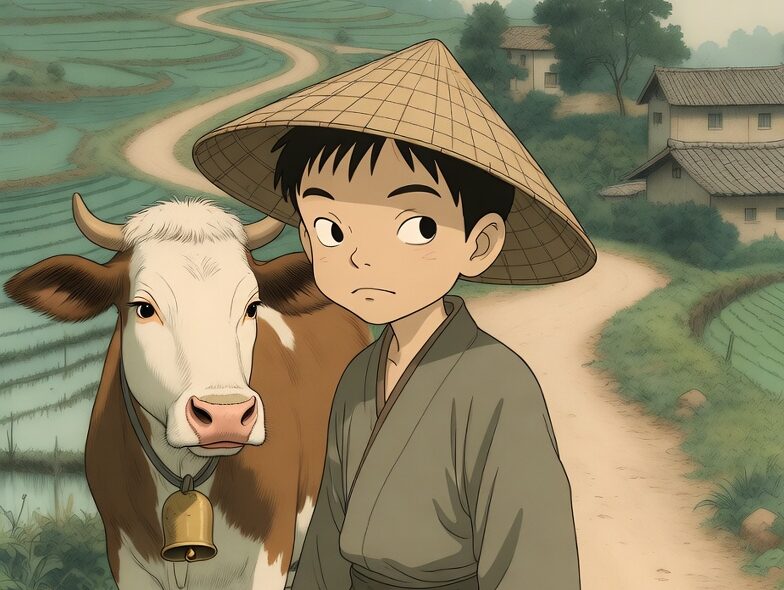
မာရ်မာ ဝတ္ထုပုံပြင် — မောင်ပျင်း။
Translated by U Wainnita
စိမ်းလန်းစိုပြည်သော ရွာလေးတစ်ရွာတွင် မိဘမဲ့ကလေးတစ်ဦး နေထိုင်ခဲ့ပြီး သူ့နာမည်ပြောင်မှာ “မောင်ပျင်း” ဖြစ်သည်။ သူ့မိဘများသည် မွေးဖွားပြီး မကြာမီ ကွယ်လွန်သွားခဲ့သည်။ သူသည် မိခင်ဘက်က ဦးလေးနှင့် အဒေါ်တို့၏ စောင့်ရှောက်မှုအောက်တွင် ကြီးပြင်းလာခဲ့သည်။ မိခင်ဘက်က ဦးလေးက သူ့ကို ချစ်သော်လည်း အဒေါ်က သူ့ကို အိမ်မှုကိစ္စများအတွက်သာ အနိုင်ကျင့်ပြီး အသုံးပြုခဲ့သည်။
သူဟာ နေ့တိုင်း မိုးလင်းကနေ ညအထိ အလုပ်လုပ်ပေမယ့် “မောင်ပျင်း” ဆိုတဲ့ အသံကိုပဲ ကြားနေရတယ်။ တစ်နေ့မှာ သူဟာ နွားတွေကို လယ်ကွင်းထဲမှာ ထားခဲ့ပြီး သစ်ပင်အောက်မှာ အနားယူဖို့ ထိုင်နေခဲ့တယ်။ အဲဒီအချိန်မှာပဲ သူ့အဒေါ် ရောက်လာပြီး “မင်းတို့ တစ်နေ့ကုန် ဒီလိုထိုင်ပြီး အချိန်ကုန်မှာလား။ မင်းကို ထင်းခုတ်ဖို့ရန် ငါမပြောဘူးလား” လို့ အော်ပြောလိုက်တယ်။
ကောင်လေးက ဘာမှမပြောဘဲ ထပြီး ထင်းခုတ်နေတယ်။ သူ့ဘဝမှာ စဉ်းစားစရာနေရာမရှိဘူး၊ သူစဉ်းစားမှုခါ တစ်ခုပဲရှိတယ်၊ အဲဒါကတော့ သူ့အဒေါ်ရဲ့ဆူတာကို မခံချင်လို့ပဲ။
နှစ်အနည်းငယ်ကြာပြီးနောက် သူ အသက် ၁၉ နှစ်မှာ သူ့ဦးလေး သေသွားပြီး မိသားစုရဲ့ တာဝန်တွေအားလုံး သူ့အပေါ် ကျရောက်သွားခဲ့ပါတယ်။ သူဟာ မြို့ကိုသွားပြီး လယ်သမားအိမ်မှာ အလုပ်ရခဲ့ပါတယ်။ သူဟာ လုပ်ခလစာနဲ့ ပျော်ရွှင်စွာ အိမ်ပြန်လာခဲ့ပေမယ့် လမ်းမှာ ပိုက်ဆံတွေ ပျောက်သွားခဲ့ပါတယ်။ ဒါကိုကြားတော့ သူ့အဒေါ်က “ပိုက်ဆံကို ဘာလို့ အိတ်ကပ်ထဲမှာ မထားတာလဲ။ အခုကစပြီး ဂရုစိုက်မယ်” လို့ အော်ပြောလိုက်ပါတယ်။
နောက်တစ်နေ့မှာ သူဟာ နို့ထွက်ပစ္စည်းစက်ရုံမှာ အလုပ်ရပြီး လုပ်ခအဖြစ် နို့တစ်အိုးရခဲ့တယ်။ သူ့အိတ်ကပ်ထဲ ထည့်ဖို့ကြိုးစားတဲ့အခါ နို့တွေ ဖိတ်ကျသွားတယ်။ သူ့ကို ထပ်ပြီးဆူငေါက်ပြန်တယ် – “ဘယ်သူက နို့ကို အိတ်ကပ်ထဲမှာ သိမ်းထားတာလဲ။ ငါခေါင်းထဲမှာပဲ သိမ်းထားမယ်!”
နောက်တစ်ကြိမ် ဒိန်ခဲစက်ရုံမှာ အလုပ်ရခဲ့တယ်။ သူ့ခေါင်းပေါ်မှာ ဒိန်ခဲထမ်းထားပေမယ့် အပူဒဏ်ကြောင့် အရည်ပျော်ပြီး သူ့ခန္ဓာကိုယ်ပေါ် လိမ့်ကျသွားတယ်။ သူ့ကို ရိုက်နှက်ပြီး ထပ်ဆူတယ် – “မင်းအရူး၊ ဒိန်ခဲကို လက်နဲ့ယူလာခဲ့!”
ပြီးတော့ သူဟာ ဟိုတယ်တစ်ခုမှာ အလုပ်လုပ်ပြီး လုပ်ခအဖြစ် ကြက်ကလေးနှစ်ကောင် ရခဲ့တယ်။ သူ့လက်ဖဝါးထဲမှာ ကြက်ကလေးတွေ ယူလာပေးပေမယ့် ကြက်ကလေးတွေက ထွက်ပြေးသွားကြတယ်။ သူ့ကို ထပ်ပြီး ဆူငေါက်ပြီး ဆဲဆိုကြတယ် – “မင်းတို့ အရူးကောင်တွေ၊ မင်းတို့ သူတို့ကို အိတ်ထဲ ထည့်ရမယ်!”
တစ်နေ့တွင်နွာကျောင်းသားလုပ်ပြီး သူသည် လုပ်ခအဖြစ် နွားကလေးတစ်ကောင် ရရှိခဲ့သည်။ သူသည် နွားကလေးကို ပခုံးပေါ်တွင် ထမ်းရန် ကြိုးစားသည်နှင့်တပြိုင်နက် တောထဲသို့ ထွက်ပြေးသွားခဲ့သည်။ သူ နွားကလေးကို ရှာမတွေ့ခဲ့ပါ။ ညနေခင်းဖြစ်ပြီး မှောင်မိုက်ထဲတွင် တော၏ အသံများကြောင့် ကြောက်လန့်တကြား ပြန်ပြေးလာခဲ့သည်။
ဒီတစ်ခါတော့ အဒေါ်က မခံနိုင်တော့ဘူး – “အိမ်ထဲက ထွက်သွား!” လို့ ပြောပြီး သူ့ကို အိမ်ပြင် နှင်ထုတ်လိုက်တယ်။
မျက်ရည်ဝဲနေတဲ့ မျက်လုံးတွေ၊ ဗလာလက်တွေနဲ့ ဗိုက်ဆာနေတဲ့ မောင်ပျင်းဟာ မြို့ဘက်ကို လျှောက်သွားတယ်။ သူဟာ သစ်ပင်ခြေရင်းကို သွားပြီး မောပန်းနွမ်းနယ်စွာ အိပ်ပျော်သွားတယ်။
ထို့နောက် သစ်ခုတ်သမားတစ်ဦးက သူ့ကိုမြင်လိုက်ရသည်။ ကောင်လေးအကြောင်း အရာအားလုံးကို ကြားပြီးနောက် သူက “ယခုမှစ၍ သင်သည် ငါ့သားဖြစ်သည်။ လာ၊ ငါနှင့်အတူ အိမ်ပြန်လာပါ။ စား၊ အိပ်၊ အချစ်ခံရမည်” ဟု ပြောလိုက်သည်။
ကောင်လေးက “အဖေ…” ဟု တိုးတိုးလေးပြောလိုက်သည်။ သူ့ဘဝတွင် ပထမဆုံးအကြိမ်အဖြစ် အချစ်ကို ခံစားလိုက်ရသည်။
သူ့ရဲ့ မိသားစုအသစ်မှာ သူဟာ ကျွမ်းကျင်တဲ့ သစ်ခုတ်သမားတစ်ယောက် ဖြစ်လာခဲ့ပါတယ်။ သူ့ရဲ့ဝင်ငွေရဲ့ တစ်ဝက်ကို မိဘသစ်တွေကို ပေးခဲ့ပြီး ကျန်တစ်ဝက်ကို ဆင်းရဲသားတွေကို ပေးခဲ့ပါတယ်။ သူ့ရဲ့ ရက်ရောမှု၊ ရဲစွမ်းသတ္တိနဲ့ ကြင်နာတတ်တဲ့စိတ်ကြောင့် လူတိုင်းက သူ့ကို ချစ်ခင်ကြပါတယ်။
တစ်နေ့မှာ တောထဲကို ပြန်လာနေတုန်း သမင်တစ်ကောင်ရဲ့ အော်သံကို ရုတ်တရက် ကြားလိုက်ရပါတယ်။ သမင်က ထောင်ချောက်ထဲမှာ ပိတ်မိနေလို့ပါ။ သမင်ကို လွှတ်ပေးပြီး အိမ်ပြန်ခေါ်လာ၊ အစာကျွေး၊ ကုသပေးပြီး တောထဲ ပြန်လွှတ်ပေးလိုက်ပါတယ်။
နောက်တစ်နေ့တွင် သူသည် ဆာလောင်ပြီး အားနည်းနေသော အဘွားအိုတစ်ဦးကို တွေ့လိုက်ရသည်။ သူကိုယ်တိုင်မစားဘဲ သူမကို အစာကျွေးခဲ့သည်။
တစ်နေ့တွင် သူသည် မြားဖြင့်ပစ်ခံရသော ငှက်တစ်ကောင်ကို ကယ်တင်ခဲ့သည်။ သူသည် ဂရုတစိုက်ကုသပြီး ကောင်းကင်သို့ ပျံသန်းစေခဲ့သည်။
သို့သော် ၎င်းတို့သည် သာမန်တိရစ္ဆာန်များ မဟုတ်ပါ။ ၎င်းတို့သည် သမ္မာဒေဝတောနတ်များ၏ အယောင်ဆောင်များဖြစ်သည်။ ၎င်းတို့သည် ကောင်လေး၏ ကရုဏာတရားကို စမ်းသပ်ရန် ရောက်ရှိလာခဲ့ကြသည်။
ထိုညတွင် သူအိပ်မက်မက်ခဲ့သည် – ထက်မြက်သောမင်းသားတစ်ပါးက “သင်၏စိတ်နှလုံး၏ဖြူစင်မှုကို သက်သေပြပြီးဖြစ်သည်။ အရှေ့ဘက်တောအုပ်ရှိ တစ်ခုတည်းသော ကျွန်းသစ်ပင်၏ခြေရင်းတွင် သင်တူးဖော်ပါက သင်သည် ဆုလာဘ်တစ်ခုရရှိလိမ့်မည်” ဟု ပြောကြားခဲ့သည်။
နံနက်တွင် သူသည် ရွှေတံဆိပ်များပြည့်နေသော အိုးသုံးလုံးကို တူးဖော်ခဲ့သည်။
သူဟာ ဝမ်းသာအားရ တုန်ရီနေခဲ့တယ်။ တံဆိပ်နဲ့အတူ ပြန်လာတဲ့အခါ ရွာရဲ့ ဘုန်းကြီးကျောင်း (ဗုဒ္ဓဘာသာဘုရားကျောင်း) အဟောင်းကို အရင်ပြန်ပြင်ခဲ့တယ်။ နေရောင် ဒါမှမဟုတ် လရောင်အောက်မှာ နံရံတွေ တောက်ပနေအောင် သူ လှပစွာ အလှဆင်ခဲ့တယ်။ ဘုရားကျောင်းက မှောင်မိုက်ထဲမှာတောင် အလင်းရောင်ပေးစွမ်းနိုင်တယ်။
ရွာဟာ အဲဒီရွှေဒင်္ဂါးပြားနဲ့ နိုးထလာခဲ့တယ်။ ဆင်းရဲမွဲတေမှု ပျောက်ကွယ်သွားပြီး လူတိုင်း ပျော်ရွှင်စွာ နေထိုင်ခဲ့ကြတယ်။
နောက်ဆုံးတွင် သူ့အဒေါ် ဒုက္ခရောက်နေကြောင်း သူကြားလိုက်ရသည်။ တွန့်ဆုတ်ခြင်းမရှိဘဲ ကူညီရန် အပြေးအလွှားသွားလိုက်သည်။ တံခါးဝတွင်ရပ်ကာ “လာပါ၊ ငါ အဒေါ်ကို ခေါ်ယူဖို့ လာတာ” ဟု ပြောလိုက်သည်။
အဒေါ်က ဘာမှ မပြောနိုင်ဘဲ အံ့အားသင့်စွာ စိုက်ကြည့်နေမိသည်။
Marma Folktale — The Lazy Boy
In a small village surrounded by lush greenery, a river flowed quietly by. In that village lived an orphan boy whom everyone called the “Lazy Boy.”
Soon after the boy was born, a grave illness claimed the lives of his parents. He was raised by his maternal uncle and aunt. Though his uncle treated him kindly, his aunt saw him as nothing more than a burden. Each day, as soon as the uncle left for work, his aunt would begin to mistreat him. All the household chores fell on the boy’s small shoulders.
One afternoon, after releasing the cattle into the fields, the boy sat beneath a tree to rest. He thought, “I do so much work—yet I’m still called the lazy one? Why would my aunt name me that after everything I do?” His thoughts were interrupted by his aunt’s angry voice:
“Are you going to sit around all day? I told you this morning to cut logs and gather firewood. Are my words wasted on you, you good-for-nothing?”
Sighing, the boy picked up his axe and got to work. He didn’t enjoy thinking much; his only thought was how to avoid his aunt’s scolding by doing everything she ordered. It was only natural. Since childhood, he had never known affection—only anger and harsh words.
Time passed like this. Now, he was nineteen. The previous year, his uncle had died, and the responsibility of earning for the household had fallen entirely on him. So, he went to the town in search of work and found a job at a farmer’s house. He returned home cheerfully in the evening with his wages in hand.
But trouble struck on the way—he lost the money before reaching home. Upon hearing this, his aunt exploded in rage.
“Have you lost all your sense? You’re supposed to keep money in your pocket so it doesn’t fall out! Do that from now on, understand?”
“You’re right, Aunt. I won’t make that mistake again,” the boy replied.
The truth is, when someone grows up constantly hearing scolding or fearing it, their ability to think clearly often fades.
The next day, he got a job at a town dairy. Pleased with his work, the milkman paid him with a large jug of milk. Following his aunt’s earlier advice, he tried to carry the milk jug in his pocket—and of course, spilled it all.
Hearing this, his aunt shouted again, “You fool! You’re supposed to carry a milk jug on your head! Can’t you use your brain even once?”
“You’re right, Aunt,” said the boy. “Next time I’ll be careful.”
Then he took a job at a Christian farm. After work, he was paid with a big block of cheese. He placed it on his head, as he had with the milk, but under the hot sun, the cheese melted and ran down his body.
His furious aunt hit him several times.
“Will you never learn?” she shouted. “You should have carried the cheese carefully in your hands, idiot! Get out of my sight.”
“I understand now,” the boy mumbled. “I’ll follow your instructions better next time.”
The following day, he got a job at a hotel. His pay this time was two plump little chicks. Fearing more scolding, he tried to carry them home in his palms. But, of course, the chicks escaped the moment they got a chance and ran away.
Worried, the boy knew trouble was coming.
Upon hearing about the lost chicks, his aunt pinched and twisted his ears and screamed,
“Why didn’t you bring them in a sack slung over your shoulder? Then they wouldn’t have escaped. Useless boy! I could’ve made a fine curry with those!”
“It was my fault,” he said quietly. “It won’t happen again.”
He next found work with a wealthy town farmer and was given a healthy young calf as payment. Remembering his aunt’s advice, he tried to carry the calf on his shoulder. But the calf jumped off and bounded into the jungle. Though he searched and searched, he couldn’t find it. Evening fell, and jungle sounds—growls and howls—grew louder. Terrified, he ran home.
“What happened? Why are you panting like that?” his aunt asked.
“The calf ran off into the woods. I couldn’t find it,” he replied, breathless.
“I told you to carry a calf on your shoulders? Get out of my house, you idiot!” she yelled and beat him before throwing him out.
Tears filled his eyes, and sorrow filled his heart. “Where will I go at this hour? Why couldn’t my aunt try to understand me?” he wondered.
With no other option, he gathered courage and began walking toward the town. After a while, he sat beneath a roadside tree and fell asleep from sheer exhaustion and hunger.
A woodcutter from a nearby village was walking home when he noticed the boy sleeping. Seeing his innocent face, the childless woodcutter felt a pang in his heart. Gently waking him, he asked,
“Why are you sleeping here, my child? What happened?”
The boy told him everything. After hearing it all, the woodcutter laughed kindly, then stroked the boy’s head with affection.
“You have nothing more to worry about. From today, you’ll stay with me. You’ll be my son. In our home, you’ll have food, love, and care—everything you need.”
Tears welled up in the boy’s eyes as he whispered, “Father…”
The woodcutter took him to his village. His wife embraced the boy as her own. The villagers welcomed him warmly.
The “lazy boy” soon became a skilled woodcutter. He sold the wood he chopped and gave half the money to his new parents. With the rest, he helped the poor and needy. He never turned away anyone who sought help and would risk his life to save others in trouble. He became known across the land for his kindness.
One evening, on his way home from selling wood, he heard a frightened cry from the forest. He found a deer caught in a hunter’s trap. Gently, he freed the animal and brought it home, fed it, and let it rest. Then, taking it back to the forest, he said,
“You’re safe now. Go back to your own kind.”
The deer looked back once, then disappeared into the evening mist.
The next day, he saw an old woman hobbling with a cane. She looked exhausted. He brought her under the shade of a tree and asked,
“Granny, why are you out in the afternoon heat? You look so tired.”
“I haven’t eaten in two days, son,” she said in a weak voice.
Without hesitation, the boy gave her his entire meal. She ate with deep gratitude. Before leaving, she didn’t say a word, just smiled softly at him. The boy forgot his own hunger and fatigue—he had never before met someone who had gone two days without food.
The day after, he heard flapping wings near a marsh and found a beautiful bird pierced by an arrow. He brought it home, gently removed the arrow, applied herbal medicine, and fed it well. Once recovered, he released it into the sky.
But the deer, the old woman, and the bird were not what they seemed. They were all disguises of the forest deity, sent to test the boy’s heart. Needless to say, he passed each test with compassion and grace.
That night, he dreamt of a radiant prince who said,
“You’ve proven your kind heart. You’ll suffer no more. Beneath the roots of the only teak tree in the eastern forest lies a reward worthy of your good soul.”
The next morning, the boy went to the forest, found the tree, and dug at its base. There, he discovered three jars filled with gold coins.
He stood stunned, speechless for a while. When he came to his senses, he carried the jars home with great effort.
The first thing he did with the treasure was to rebuild the village’s old, worn-down “Kyang” (temple). He decorated it with such beauty that in sunlight or moonlight, its gem-studded walls sparkled and dazzled the eyes. Even in darkness, the temple glowed. Its interior too became heavenly and serene.
Thanks to the gold, the village and his family flourished. No one lived in poverty anymore. Every house sang with joy, peace, and prosperity.
And when he heard of his cruel aunt’s misfortune, his grateful heart didn’t hesitate. He went to her and offered help.
The aunt could only stare at him—speechless, eyes wide open.
মারমা রূপকথা — অলস ছেলে
সবুজে ঘেরা এক শান্ত গ্রামে বাস করত এক অনাথ ছেলে, যার ডাকনাম ছিল “অলস ছেলে।” জন্মের পরেই তার মা-বাবা মারা যান। মামা-মামির আশ্রয়ে সে বড় হয়। মামা তাকে স্নেহ করলেও মামী তাকে শুধুই গালাগাল আর খাটুনির জন্য ব্যবহার করত।
প্রতিদিন ভোর থেকে রাত পর্যন্ত সে কাজ করত, কিন্তু তারপরও শুধু শোনে, “অলস ছেলে!” একদিন গরু মাঠে ছেড়ে দিয়ে গাছতলায় বসেছিল একটু বিশ্রাম নিতে। ঠিক তখনই মামী এসে চিৎকার করে উঠল, “সব দিন এমনি বসে কাটাবি? কাঠ কাটার কথা বলেছিলাম না সকালে?”
ছেলেটি কিছু না বলে উঠে গিয়ে কাঠ কাটতে শুরু করল। ভাবনার কোনো জায়গা ছিল না তার জীবনে, ছিল শুধু একটাই চিন্তা—মামীর বকা না খাওয়া।
কয়েক বছর এভাবে কেটে গেল। উনিশ বছরে পা দিতেই মামা মারা গেলেন, আর সংসারের পুরো দায়িত্ব এসে পড়ল তার ওপর। শহরে গিয়ে কাজ পেল এক কৃষকের বাড়িতে। খুশি মনে মজুরি নিয়ে ফিরছিল, কিন্তু পথেই টাকা হারাল। শুনে মামী চিৎকার করে উঠল, “টাকা পকেটে রাখিস না কেন? এবার থেকে ঠিক করে রাখবি!”
পরদিন কাজ পেল দুগ্ধ খামারে, মজুরি পেল এক কলসি দুধ। পকেটে রাখতে গিয়ে দুধ ঝরে গেল। আবার বকা—“পকেটে দুধ রাখে কেউ? মাথায় রাখবি তো!”
পরের বার চাকরি পেল পনিরের কারখানায়। মাথায় পনির নিয়ে ফিরছিল, কিন্তু গরমে গলে গিয়ে গা বেয়ে নেমে এল সব। ফের মার আর বকা—“হাতে করে আনবি পনির, বোকার হদ্দ!”
এরপর এক হোটেলে কাজ করল, মজুরিতে পেল দুটি মুরগির ছানা। হাতের তালুতে করে আনছিল, ছানাগুলো পালিয়ে গেল। আবার কান মলা, গালাগাল—“বোকার দল, বস্তায় করে আনতে হয়!”
একদিন পেল একটা বাছুর মজুরি হিসেবে। কাঁধে তুলে আনার চেষ্টা করতেই বাছুরটা জঙ্গলে ঢুকে পালাল। খুঁজেও পেল না। সন্ধ্যা হয়ে গেল, অন্ধকারে জঙ্গলের শব্দে ভয়ে দৌড়ে ফিরে এল।
এইবার মামী আর সহ্য করল না—“ঘর থেকে বেরিয়ে যা!” বলে ঘর থেকে বের করে দিল।
অশ্রুসজল চোখে, খালি হাতে, ক্ষুধার্ত পেটে ছেলেটি হাঁটতে হাঁটতে শহরের দিকে চলল। এক গাছতলায় গিয়ে ক্লান্ত শরীরে ঘুমিয়ে পড়ল।
তখন এক কাঠুরে তার দিকে নজর পড়ে। ছেলে সম্পর্কে সব শুনে বলল, “এখন থেকে তুই আমার ছেলে। চল, আমার সঙ্গে ঘরে চল। খাবি, ঘুমাবি, আর ভালোবাসা পাবি।”
ছেলেটি ফিসফিসিয়ে বলল, “বাবা…” — তার জীবনে প্রথমবার ভালোবাসার স্বাদ পেল।
নতুন পরিবারে থেকে সে হয়ে উঠল এক দক্ষ কাঠুরে। অর্ধেক উপার্জন দিত নতুন বাবা-মাকে, আর বাকি দিত গরিবদের। তার উদারতা, সাহস ও সদয় মন তাকে বানিয়ে তোলে সবার প্রিয়।
একদিন জঙ্গলে ফিরছিল, হঠাৎ শুনল একটি হরিণের কান্না—একটা ফাঁদে আটকে আছে। সে হরিণটিকে মুক্ত করে বাড়িতে এনে খাইয়ে সুস্থ করে আবার জঙ্গলে ছেড়ে দিল।
পরদিন দেখল এক বৃদ্ধা—ক্ষুধার্ত, দুর্বল। নিজে না খেয়ে তার খাবার দিয়ে দিল।
তারপর একদিন উদ্ধার করল এক তীরবিদ্ধ পাখি। যত্ন করে সুস্থ করে দিল, আকাশে উড়িয়ে দিল।
কিন্তু এরা কেউ সাধারণ প্রাণী ছিল না—তারা ছিল বনদেবতার ছদ্মবেশ। ছেলেটির সহানুভূতি পরীক্ষার জন্য এসেছিল তারা।
সেদিন রাতে সে স্বপ্ন দেখল—এক উজ্জ্বল রাজপুত্র বলছে, “তোমার হৃদয়ের পবিত্রতা প্রমাণিত। পূর্বের জঙ্গলে একমাত্র সেগুন গাছের গোঁড়ায় খুঁড়লে তুমি পাবে পুরস্কার।”
ভোরে গিয়ে খুঁড়ে বের করল তিনটি কলসি ভর্তি সোনার মোহর।
সে খুশিতে কাঁপছিল। মোহর নিয়ে ফিরে প্রথমে সংস্কার করল গ্রামের পুরনো কিয়াং (বৌদ্ধ মন্দির)। এমন সুন্দরভাবে সাজাল যে রোদ হোক বা চাঁদের আলো, তার দেয়াল ঝলমল করত। অন্ধকারেও মন্দির আলো দিত।
সেই সোনার অর্থে গ্রাম জেগে উঠল—দারিদ্র্য দূর হল, সবাই সুখে থাকল।
শেষে শুনল তার মামী দুরবস্থায় আছে। কোনো দ্বিধা না করে ছুটে গেল সাহায্য করতে। দরজায় দাঁড়িয়ে বলল, “চলো, আমি তোমাকে নিয়ে যেতে এসেছি।”
মামী কিছু বলতে পারল না—শুধু হতবাক হয়ে তাকিয়ে রইল।