
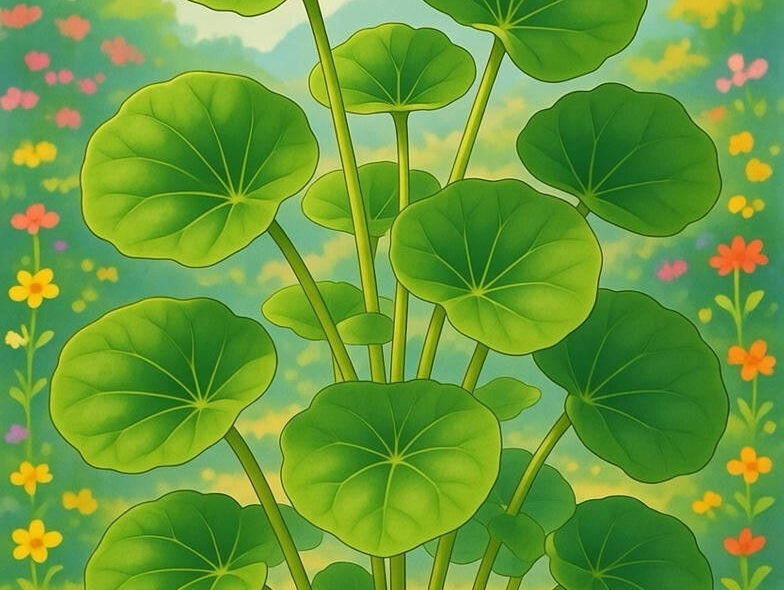
မာရ်မာ ဝတ္ထုပုံပြင် — မြင်းခွါရွက်
Translated by U Wainnita
လွန်ခဲ့သော နှစ်ပေါင်းများစွာက ဝေးလံသောပြည်မှ ဘုရင်တစ်ပါးရှိခဲ့သည်။ သူ့တွင် နန်းတော်၊ ချမ်းသာကြွယ်ဝမှုနှင့် စစ်တပ်တစ်ခုရှိသော်လည်း သူ့နှလုံးသား၏ တစ်ခုတည်းသော ဆန္ဒမှာ မပြည့်ဝခဲ့ပါ။ သူ့မှာ သားသမီးမရှိခြင်း၏ ဝေဒနာသည် သူ့ကို နေ့တိုင်း လောင်ကျွမ်းစေခဲ့သည်။ ထို့ကြောင့် သူသည် မနက်တိုင်း နတ်ဘုရားများထံ ဆုတောင်းခဲ့သည် – “အို ဘုရားသခင်၊ ကျွန်ုပ်အား သားတစ်ယောက် ပေးပါ”
တစ်နေ့တွင် ရုတ်တရက် တောက်ပသော ယောဂီတစ်ဦးသည် နန်းတော်တံခါးဝတွင် ပေါ်လာသည်။ သူ့မျက်လုံးများတွင် အလင်းရောင်များ ပေါ်လာပြီး သူ့မျက်နှာတွင် နောင်တရမှု အရိပ်အယောင်များ ရှိနေသည်။ ဘုရင်သည် သူ့အား နှိမ့်ချစွာ ဦးညွှတ်ကာ ကျွေးမွေးပြီး အနားယူရန် စီစဉ်ပေးခဲ့သည်။ နှုတ်ဆက်ချိန်တွင် ယောဂီက “ဘုရင်၊ သင်လိုချင်သမျှကို တောင်းပါ” ဟု ပြောခဲ့သည်။
ဘုရင်သည် တွန့်ဆုတ်ခြင်းမရှိဘဲ “သားတစ်ယောက် လိုချင်ပါတယ်၊ သားတစ်ယောက်ပဲ လိုချင်ပါတယ်” ဟု ပြောခဲ့သည်။
ယောဂီသည် ကောင်းကင်သို့ လက်ကို မြှောက်လိုက်သည်နှင့် ရွှေရောင်အသီးတစ်လုံးသည် ဟင်းလင်းပြင်မှ ထွက်ပေါ်လာသည်။ ၎င်းမှာ ကောင်းကင်ဥယျာဉ်မှ သရက်မေဇူဟုခေါ်သော သရက်သီးဖြစ်သည်။
“ဤသရက်သီးကို မိဖုရားအား ကျွေးပါ” ဟု ယောဂီက ပြောသည်။ “သင်၏ဆန္ဒ ပြည့်ဝလိမ့်မည်။”
ထိုသို့ပြောပြီး ယောဂီသည် တရားထိုင်နေစဉ် နန်းတော်၏ လသာဆောင်မှ ကောင်းကင်သို့ လျှောက်သွားသည်။
လပြည့်ညတွင် မိဖုရားသည် မြစ်ထဲတွင် ရေချိုးပြီး ထိုသန့်ရှင်းသော သရက်သီးကို စားလိုက်သည်။ စားပြီးနောက် သစ်သီးကို ဥယျာဉ်ဘက်သို့ ပစ်ချလိုက်သည်။ တစ်ချိန်တည်းမှာပင် သူမ၏ချစ်လှစွာသော အဖြူရောင်မြင်းမသည် မြက်စားနေသည်။ သစ်သီးသည် သူမရှေ့သို့ ကျလာသည်နှင့် သူမသည် ဝါးစားလိုက်သည်။
အချိန်တန်သောအခါ မိဖုရား၏ရင်ခွင်ထဲတွင် ချစ်စရာသားလေးတစ်ဦး မွေးဖွားလာပြီး မျက်နှာသည် နေရောင်ခြည်ကဲ့သို့ တောက်ပနေသည်။ တစ်ချိန်တည်းမှာပင် မြင်းမသည် အဖြူရောင်၊ သွက်လက်ပြီး ရဲရင့်သော မြင်းကလေးတစ်ကောင်ကို မွေးဖွားခဲ့သည်။ မင်းသားနှင့် မြင်းကလေးသည် အတူတကွ ကြီးပြင်းလာကြသည်။ ၎င်းတို့၏ ခင်မင်မှုသည် ဝိညာဉ်နှောင်ကြိုးကဲ့သို့ ဖြစ်သည်။
မြင်းက မြက်မစားဘူး။ နှင်းဖုံးနေတဲ့ မိုးတိမ်တွေ၊ တောင်ဘက်လေရဲ့ အညွန့်လေးတွေနဲ့ ဂျိုဆာပင်ရဲ့ အရွက်တွေရဲ့ အရည်တွေကို စားတယ်။
တစ်နေ့မှာ မင်းသားက “ငါ့မြင်းက ပျံနိုင်ရင်ကောင်းမှာပဲ! ဒါဆိုရင် ငါ ဟိမဝန္တာတောင်ထိပ်ကို ပျံပြီး အဲဒီမှာထိုင်နေမှာပဲ!” လို့ တွေးလိုက်တယ်။
ဒီအတွေးနဲ့ မြင်းက ဟိမဝန္တာတောင်တန်းဆီကို ချက်ချင်း တည့်တည့်ပျံသွားတယ်။ မင်းသားက နားလည်သွားတယ်။ ဒါက သာမန်မြင်းမဟုတ်ဘူး၊ ဒါက ပျံတဲ့မြင်း ဗလီကမြင်းပျံပဲ။
ဒါပေမယ့် ဘယ်သူ့ကိုမှ မပြောပြဘူး။ ညတိုင်း သူက မြင်းကို တိတ်တိတ်ဆိတ်ဆိတ်စီးပြီး နိုင်ငံအသီးသီးကို ခရီးသွားတယ်။
တစ်နေ့မှာ မြူခိုးတွေဖုံးနေတဲ့ ညတစ်ညမှာ သူတို့ မသိတဲ့ နိုင်ငံတစ်ခုဆီ ပျံသွားကြတယ်။ နန်းတော်ရဲ့ လသာဆောင်မှာ ရပ်နေတဲ့ ဟြာသူဇာမင်းသမီးရှိတယ်။ လရောင်အောက်မှာ သူမရဲ့မျက်နှာက စိတ်ကူးယဉ်ပုံရိပ်လို ဖြူစင်ပြီး စွဲမက်ဖွယ်ကောင်းတယ်။
ရုတ်တရက် ဟြာသူဇာက ကောင်းကင်မှာ ခရီးသွားနေတဲ့ ချောမောတဲ့ လူငယ်တစ်ယောက်နဲ့ သူ့ရဲ့ ပျံတဲ့မြင်းကို မြင်လိုက်တယ်။ သူတို့ မျက်လုံးချင်းဆုံတာနဲ့ သူတို့ရဲ့ နှလုံးသားထဲမှာ မုန်တိုင်းတစ်ခု ဖြစ်ပေါ်လာတယ်။
အချစ်ဟာ သူတို့ရဲ့ နှလုံးသားထဲမှာ တိတ်ဆိတ်ငြိမ်သက်တဲ့ မိုးကြိုးပစ်သံလို တည်ငြိမ်နေခဲ့တယ်။
မင်းသားက သူ့ရဲ့ချစ်ခြင်းမေတ္တာကို ကြေငြာခဲ့ပါတယ်။ ဟြာသူဇာကလည်း တုံ့ပြန်ခဲ့ပါတယ်။ နောက်ညမှာ မင်းသားက သူမကို ပျံသန်းတဲ့မြင်းပေါ်တင်ပြီး သူ့ရဲ့နိုင်ငံတော်ကို ထွက်ပြေးသွားခဲ့ပါတယ်။
ဒါပေမယ့် ဟြာသူဇာရဲ့ဖခင်က နိုင်ငံတော်တစ်ခုလုံးကို ကြေငြာခဲ့ပါတယ် – မင်းသမီး ပျောက်ဆုံးသွားပြီ!
စစ်သားတွေ နေရာအနှံ့ပြေးလွှားသွားကြပါတယ်။ နောက်ဆုံးမှာတော့ နိုင်ငံတော်ရဲ့ နတ်ဆိုးစောင့်ရှောက်သူတစ်ယောက် ရောက်လာပြီး “မင်းသားတစ်ပါးက သူမကို ပျံသန်းတဲ့မြင်းပေါ်တင်ပြီး ထွက်ပြေးသွားတယ်” လို့ ပြောပါတယ်။
ဘုရင်ရဲ့အမိန့်အရ နတ်ဆိုးက ကောင်းကင်ထဲကို ကြီးမားတဲ့ မှော်ပိုက်ကွန်တစ်ခု – နာဂဘိုင် ကိုအိုင်ရှာ – ပစ်ချခဲ့ပါတယ်။
မြင်းဟာ နိုင်ငံတော်ရဲ့အဆုံးကို ရောက်နေပါပြီ။ ဒါပေမယ့် မှော်ပိုက်ကွန်ဟာ မြင်းရဲ့ညာဘက်နောက်ခြေထောက်မှာ ကပ်ငြိနေခဲ့ပါတယ်။ နတ်ဆိုးက ပိုက်ကွန်ကြိုးကို တင်းတင်းကျပ်ကျပ်ဆွဲစပြုလာပါတယ်။
အန္တရာယ်ကျရောက်တဲ့အချိန်မှာ ပျံသန်းတဲ့မြင်းက “မင်းသား၊ ကျွန်တော့်ရဲ့ညာဘက်ခြေထောက်ကို ဖြတ်လိုက်ပါ။ ဒါမှသာ ကျွန်တော် ကယ်တင်ခံရမှာပါ!” လို့ ပြောပါတယ်။
မင်းသားက မျက်ရည်ကျတော့မယ့်အလား မြင်းရဲ့ဓားကို တစ်ချက်တည်းနဲ့ ဖြတ်လိုက်တယ်။
ပိုက်ကွန်က ပွင့်သွားပြီး သုံးယောက်သား အတူတူ ပျံသန်းပြီး သူတို့ရဲ့နိုင်ငံတော်ကို ဘေးကင်းစွာ ပြန်သွားကြတယ်။
မင်းသားက မြင်းရဲ့ ဒဏ်ရာရနေတဲ့ခြေထောက်ကို မြင်တော့ ငိုကြွေးတယ်။ ဒါပေမယ့် မြင်းက ခေါင်းညိတ်ပြီး ပြုံးလိုက်တယ်။
ပြီးတော့ မင်းသားက “မင်းရဲ့ ဒီဓားကျတဲ့နေရာမှာ လူသားတွေရဲ့ ကောင်းကျိုးအတွက် အသုံးဝင်မယ့် အရာတစ်ခုခု ပေါက်လာပါစေ” လို့ ပြောလိုက်တယ်။
အဲဒီအတိုင်း ဖြစ်ပျက်ခဲ့တယ်။ ဓားကျတဲ့နေရာမှာ သစ်ပင်အသစ်တစ်ပင် ပေါက်လာတယ်။ အရွက်တွေက မြင်းဓားလို ကွေးနေတယ်။ လူတွေက အဲဒီအရွက်ကို မြင်းခွါရွက်လို့ ခေါ်ကြတယ်။
မြင်း ဆိုတာ မြင်း၊ ခွါ ဆိုတာ ဓား၊ ရွက်ဆိုတာ အရွက်။
အဲဒီအရွက်လိုပဲ ဒီပုံပြင်က တောင်ကုန်းပေါ်က ရွာတစ်ရွာကနေ တစ်ရွာကို၊ မျိုးဆက်တစ်ဆက်ကနေ တစ်ဆက်ကို ပျံ့နှံ့သွားတယ်။
Marma Folktale — Mrāngkhōwa Rōwak
Long ago, in a distant land, there lived a king who had everything—wealth, power, and a vast kingdom—but not the one thing his heart yearned for: a child. The sorrow of childlessness shadowed his every joy. So, each day, the king offered prayers to the gods, asking only for a son to bless his lineage.
One day, a radiant yogi arrived at the palace gates—an ascetic glowing with divine energy. The king welcomed him with reverence, offering food, rest, and honor. Pleased with the king’s devotion, the yogi, before departing, granted him a boon.
“Ask for anything your heart desires,” said the yogi.
Without hesitation, the king asked for a son. The yogi reached into the air, and from the emptiness of the sky, produced a single golden fruit—Sarāk Meju, a heavenly mango from the orchards of the gods.
“Give this to your queen,” said the yogi. “Your wish shall be fulfilled.”
With those words, the yogi vanished into the sky, walking away on clouds like stepping stones.
On the next full moon, after a ritual bath, the queen ate the divine mango. She threw the seed into the royal orchard, where her favorite mare was grazing. The seed fell near the mare’s mouth, and before anyone could stop her, she swallowed it.
In due time, a prince was born to the queen—radiant as the moon, eyes shining like stars. On the same day, the mare gave birth to a snow-white foal, as spirited as the wind. The prince and the colt grew up together, bound like brothers, wild and inseparable.
The colt never ate grass. Instead, it fed on the mist of morning clouds, the tips of southerly winds, and the dew-drenched petals of moonlight. Soon, the prince discovered that the colt had wings no one could see. When he merely wished aloud to fly beyond the mountains, the colt rose into the sky and soared toward the Himalayas. That was the day the prince realized his steed was no ordinary beast—it was a Blīkā Mrāngbai, a flying horse of legend. But he told no one.
Each night, in secret, the prince flew over kingdoms and valleys, rivers and mountains, gliding through moonlit skies. One such night, he reached an unfamiliar kingdom, glowing silver under a full moon.
There, in the palace balcony of that faraway land, stood a maiden named Hrasūja, daughter of that kingdom’s king. She was gazing at the moon, lost in her thoughts, when the winged prince swept across the skies above. Their eyes met.
Love struck like lightning. Entranced by each other’s beauty, they spoke without fear. That night, the prince asked Hrasūja to come with him. She agreed.
He lifted her onto the flying steed, and together they soared into the sky, fleeing toward the prince’s homeland.
But in her father’s court, chaos had erupted. The princess was missing. Soldiers and messengers were dispatched in every direction. One of the guardians of the realm—a rakshasa spirit bound to royal service—returned with word.
“A young prince has taken the princess. They ride a flying steed and head west.”
The king, furious, called for Nāgabai Koaisha—a divine net given by Indra himself, meant to capture what even the wind could not. The rakshasa flung the magical net high into the heavens. It spread like a great web of lightning.
The prince’s flying steed tried to escape. With all its might, it crossed the borders of the kingdom, but the net caught hold of its right hind hoof. The rakshasa began pulling the net back. They were moments from being dragged down.
“Master,” the steed cried, “cut off my hoof! That is the only way we will survive!”
The prince, his heart torn, drew his sword and severed the hoof.
At once, the net slipped free, and the trio flew beyond reach—over forests and rivers, back to their homeland. They had escaped. But the flying horse now flew with one hoof less, blood trailing in the wind.
The prince wept, and so did the princess. But the steed only smiled and bowed its head.
To honor its sacrifice, the prince declared, “From this day, where this hoof has fallen, let something good be born for humankind.”
And where the hoof struck earth, a new plant grew—its leaves shaped like a horse’s hoof, tender and shy. The people named it Mrāngkhōwa Rōwak, meaning “leaf of the horse’s hoof.”
To this day, in the hills and forests where the story is told, that leaf still grows.
মারমা রূপকথা — ম্রাংখোওয়া রোওয়াক্
অনেক অনেক বছর আগে, এক দূর দেশের রাজা ছিলেন। তাঁর ছিল প্রাসাদ, সম্পদ, বাহিনী—কিন্তু হৃদয়ের একমাত্র আকাঙ্ক্ষা ছিল অপূর্ণ: তাঁর কোনো সন্তান ছিল না। সেই না-পাওয়ার বেদনা তাঁকে প্রতিদিনই পুড়িয়ে দিত। তাই তিনি প্রতি ভোরে দেবতার উদ্দেশে প্রার্থনা করতেন—“একটি পুত্র দিন হে ঈশ্বর!”
একদিন, হঠাৎ রাজপ্রাসাদের দরজায় এক জ্যোতির্ময় যোগীর আবির্ভাব ঘটে। তাঁর চোখে ছিল দীপ্তি, মুখে ছিল তপস্যার ছায়া। রাজা বিনয়ভরে তাঁকে প্রণাম করলেন, আহার করালেন, বিশ্রামের ব্যবস্থা করলেন। যোগী বিদায় মুহূর্তে বললেন, “রাজন, চাও যা চাও।”
রাজা নিঃসন্দেহে বললেন, “আমি একটি পুত্র চাই, শুধু একটি পুত্র!”
যোগী আকাশে হাত তুলতেই শূন্য থেকে এক স্বর্ণাভ ফল আবির্ভূত হলো—স্বর্গের উদ্যানের আম, যার নাম সারাক্ মেজু।
“এই আম রানীকে খাওয়াবেন,” বললেন যোগী। “ইচ্ছা পূর্ণ হবে।”
এ কথা বলে যোগী ধ্যানরত অবস্থায় প্রাসাদের ঝুলবারান্দা থেকে আকাশে হেঁটে চলে গেলেন।
পূর্ণিমার রাতে, নদীতে স্নান করে রানী সেই পবিত্র আমটি খেলেন। খাওয়ার পর বিচিটি উদ্যানের দিকে ছুড়ে ফেললেন। ওদিকে তাঁর প্রিয় সাদা ঘোটকীটি ঘাস খাচ্ছিল। বিচিটি ঠিক তার সামনে পড়তেই সে তা চিবিয়ে ফেলল।
সময়মতো, রানীর কোল আলো করে জন্ম নিল এক ফুটফুটে পুত্র, যার মুখটি যেন জোছনার মতো উজ্জ্বল। একই সময়ে, ঘোটকী জন্ম দিল এক শুভ্র বর্ণের চঞ্চল ও সাহসী ঘোড়াশাবককে। রাজকুমার আর শাবকটি একসঙ্গে বেড়ে উঠল—তাদের বন্ধুত্ব ছিল আত্মার সম্পর্কের মতো।
ঘোড়াটি ঘাস খেত না; বরং সে খেত শিশির মাখা মেঘ, দক্ষিণা বাতাসের কচি আগা আর জোছনার পাতার রস।
একদিন রাজকুমার ভাবল, “যদি আমার ঘোড়াটি উড়তে পারত! তাহলে আমি হিমালয়ের চূড়ায় উড়ে গিয়ে বসতাম!”
এই ভাবনার সঙ্গে সঙ্গেই ঘোড়াটি উড়ে উঠল, সোজা হিমালয়ের দিকে! রাজকুমার তখন বুঝে গেল—এই কোনো সাধারণ ঘোড়া নয়, এটি তো ব্লীকা ম্রাংব্যাই—উড়ন্ত ঘোড়া!
তবে সে কাউকে কিছু বলল না। প্রতি রাতেই চুপিচুপি সে ঘোড়ায় চেপে বিভিন্ন রাজ্যে ঘুরে বেড়াতে লাগল।
একদিন, এক জোছনাভেজা রাতে, তারা উড়ে চলল এক অচেনা রাজ্যে। সেখানকার রাজপ্রাসাদের ঝুলবারান্দায় দাঁড়িয়ে ছিলেন রাজকন্যা হ্রাসূজা। চাঁদের আলোয় তাঁর মুখ ছিল যেন কল্পনার ছবির মতো—নির্মল, বিমুগ্ধ।
হঠাৎ হ্রাসূজার চোখে পড়ল আকাশভ্রমণকারী এক সুপুরুষ যুবক ও তার উড়ন্ত ঘোড়া। দু’জনের চোখে চোখ পড়তেই হৃদয়ে ঝড় উঠল।
প্রেম যেন এক নিঃশব্দ বাজ পড়ার মতো তাদের হৃদয়ে বাসা বাঁধল।
রাজকুমার তাঁর ভালোবাসার কথা জানাল। হ্রাসূজাও সাড়া দিল। পরের রাতেই রাজকুমার তাঁকে উড়ন্ত ঘোড়ায় তুলে নিয়ে পালিয়ে চলল নিজের রাজ্যের পথে।
কিন্তু তখনই হ্রাসূজার পিতা রাজ্যজুড়ে ঘোষণা করলেন—রাজকন্যা হারিয়ে গেছে!
চারদিকে সৈন্য ছুটল। অবশেষে রাজ্যের এক রাক্ষস-রক্ষক এসে জানাল, “এক রাজকুমার তাকে উড়ন্ত ঘোড়ায় করে নিয়ে পালিয়েছে।”
রাজার আদেশে রাক্ষস আকাশে ছুঁড়ে দিল এক মহাজাদুকরি জাল—নাগাবাই কোয়াইশা—যা স্বয়ং ইন্দ্রদেব দান করেছিলেন।
ঘোড়াটি তখন রাজ্যসীমার শেষ প্রান্তে পৌঁছে গেছে। কিন্তু সেই জাদুজাল এসে গিয়ে আটকে গেল ঘোড়ার ডান পেছনের ক্ষুরে। রাক্ষস শক্ত করে টানতে লাগল জালের দড়ি।
বিপদ মুহূর্তে উড়ন্ত ঘোড়াটি বলল, “রাজকুমার, আমার ডান পায়ের ক্ষুর কেটে ফেলুন! তবেই বাঁচা যাবে!”
রাজকুমার চোখের জল ফেলতে ফেলতে এক কোপে কেটে ফেলল ঘোড়ার ক্ষুর।
জাল খুলে পড়ল, আর তারা তিনজন একসঙ্গে উড়ে নিরাপদে ফিরে এল নিজ রাজ্যে।
ঘোড়ার সেই ক্ষতবিক্ষত পা দেখে রাজকুমার কাঁদলেন। কিন্তু ঘোড়াটি শুধু মাথা ঝুঁকিয়ে হাসল।
তখন রাজকুমার বললেন, “তোমার এই পায়ের ক্ষুর যেখানে পড়ে গেছে, সেখান থেকে জন্ম নিক এমন কিছু, যা মানবজাতির কল্যাণে লাগবে।”
ঠিক তাই হলো। যেখানে ক্ষুরটি পড়ে গিয়েছিল, সেখানে এক নতুন গাছ জন্মাল—পাতাগুলো ছিল ঘোড়ার ক্ষুরের মতো বাঁকা। মানুষেরা সেই পাতাকে নাম দিল ম্রাংখোয়া রোওয়াক্—
ম্রাং মানে ঘোড়া, খোয়া মানে ক্ষুর, রোওয়াক্ মানে পাতা।
আর সেই পাতার মতোই এই কাহিনি ছড়িয়ে পড়ল পাহাড়ি গ্রাম থেকে গ্রামে, প্রজন্ম থেকে প্রজন্মে।