
Indigenous Language Notice
This material was documented through engagement with Mro oral and written traditions.
While standardized scripts and knowledgeable language practitioners do exist, producing accurate, verified transcriptions requires trained contributors, time, and fair compensation. At this self-funded stage of the project, it has not been possible to undertake this work responsibly.
Roots and Rights Collective is committed to developing properly resourced, community-led, and consent-based transcription and archiving of indigenous languages in future phases of this initiative.
Life and Death of the Mro: An Ethnographic Overview of Birth and Death Rituals
Among the Mro people of the Chittagong Hill Tracts in southeastern Bangladesh, life and death are not seen as biological endpoints but as spiritual thresholds. Rooted in ancestral cosmologies and embodied through meticulous everyday practices, the transitions of birth and death are governed by ritual, taboo, and community participation. Far from being isolated rituals, these practices are embedded within a moral ecology that links the human body, social responsibility, and unseen spiritual forces.
From the handling of the placenta to the ritual piercing of earlobes, and from sacred naming techniques to funerary dances that echo into the forest night, Mro traditions represent a powerful continuity between generations. Through these life-stage rituals, the community sustains not only kinship and cosmology but also territorial integrity, ecological balance, and ancestral honor. The practices recorded here reflect a living cultural system in which every gesture—whether a turmeric-root divination or a pig sacrifice—functions as both symbolic and social architecture.
Childbirth and Postnatal Customs
Ritual Naming and Divination
Soon after birth—usually the following morning or day depending on the time of delivery—a naming ceremony takes place within the household. A raw turmeric root is split and tossed in a divinatory process by the midwife. Only if the two halves land with opposite faces upward is the name accepted, signaling spiritual alignment. If not, the process is repeated with new names until a favorable outcome occurs.
Seclusion and Postpartum Purification
Following childbirth, the mother enters a strict seven-day seclusion, confined to an inner room. During this time, she maintains silence, avoids contact with the earth, and consumes food made only with burnt salt. This ritual isolation protects the newborn from malevolent spirits (minu, dawra) believed to linger near thresholds between life and death.
Midwife Honor and Ritual Compensation
The midwife, a respected female figure in Mro society, is honored with a combination of material and symbolic offerings—typically including 100 taka, a beaded necklace, a chicken meal, rice wine, and sometimes an enamel bangle. Assistant midwives receive smaller gifts. Failure to adequately honor them is believed to risk afflictions such as muteness or cognitive impairments in the child.
Dietary Regulations
During pregnancy, women avoid taboo foods like potatoes, eggs, venison, red crabs, and meat from trapped animals, all thought to cause deformities or complications. After delivery, the mother’s diet is strictly vegetarian for one month, sometimes allowing dried fish, and is devoid of oils or spices. Warm herbal baths (with Bangrong and Klengsi leaves) and daily fire-warming sessions at the hearth aid in recovery and spiritual cleansing.
Ritual Disposal of the Placenta
The placenta is never buried near the home. Instead, it is taken deep into the forest and hung on a high tree branch in an unfrequented area. Local belief holds that improper disposal may cause speech disorders or developmental delays in the child. Accidental passersby beneath such trees are believed to suffer ailments like hair loss.
Ear Piercing and Social Inclusion
Children undergo ear piercing around the age of two or three, accompanied by a communal feast involving the slaughter of a pig. This marks their formal inclusion into the Mro community. Without this rite, a child is not considered fully human in a cultural sense.
Religious Initiation
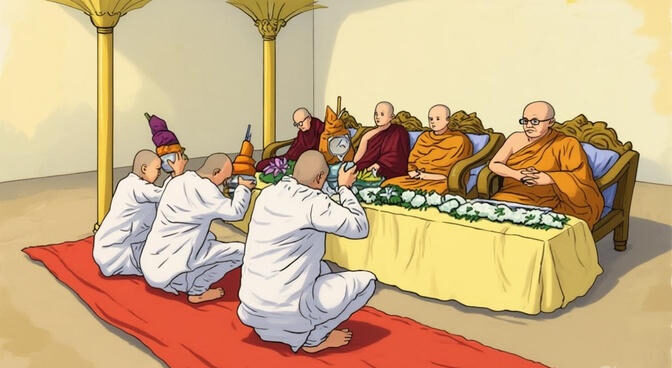
By age twelve, children following the indigenous Krama faith must undergo Tangphung, a ritual of dedication to divine forces. Christian Mro families practice baptism around age sixteen, and Buddhist families may temporarily ordain boys into monastic life as novices, reflecting the diversity of spiritual pathways within Mro society.
Food Taboos for the Household Head
Until a father formally transfers household authority to his son, he is forbidden from eating specific animals like deer, red crabs, or mountain snails. These taboos reinforce the patriarch’s role as caretaker and ritual guardian of the family.
Death Rituals and Taboos
Village and Landscape Taboos
When a person dies, the deceased’s body must never be carried through a village or across a jhum (swidden) field. Doing so is believed to cause calamity—crop failure, illness, or theft. If such a taboo is violated, the family must pay a fine (typically a pig and 500 taka) and ritually cleanse the area with pig’s blood.
Accidental vs. Natural Death
Those who die in accidents are buried rather than cremated. Their funerals are carried out swiftly, and family members must consume only panta bhat (fermented rice) without any vegetables until burial. Delay or deviation from this could bring further tragedy to the lineage.
Ritual Music and Mourning
Throughout the mourning period, drums and traditional instruments are played continuously. These are believed to keep away evil spirits and offer solace to the departing soul, which, according to Mro belief, grieves deeply when leaving its kin.
Kinship Verification and Authorization
Before a funeral can proceed, the deceased’s maternal uncle—or in the case of married women, her eldest brother—must be notified and must verify the cause of death. Only after their consent can funeral rites be initiated. This reflects both kinship authority and communal justice embedded in ritual life.
Sacred Boundaries and Communal Consequences
The funeral route must avoid all cultivated land and must never pass through places associated with food production or habitation. Such spatial taboos reflect the Mro cosmological boundary between the sacred and the profane—life and death zones must never intersect casually.
In Mro society, life and death are treated with a level of ritual precision that underscores their cosmological centrality. These practices are not isolated “traditions” but dynamic systems of knowledge, embodying relationships between humans, spirits, animals, and land. At every stage—from placenta disposal to postmortem taboos—rituals reinforce the Mro’s indigenous ethics of care, kinship, and spiritual alignment. For outsiders, these customs may appear arcane or folkloric, but for the Mro, they are technologies of survival, healing, and belonging.
ম্রো জনগোষ্ঠীর জীবন ও মৃত্যু: জন্ম ও মৃত্যু বিষয়ক আচারের নৃতাত্ত্বিক পর্যালোচনা
বাংলাদেশের দক্ষিণ-পূর্বাঞ্চলের পার্বত্য চট্টগ্রামের ম্রো জনগোষ্ঠীর কাছে জীবন ও মৃত্যু কেবল জৈবিক সীমারেখা নয়—এগুলো আত্মিক যাত্রার একেকটি দোরগোড়া। পূর্বপুরুষদের বিশ্বাসব্যবস্থা ও প্রতিদিনের আচার-অনুশীলনের ভেতর দিয়ে এই দুটি রূপান্তর প্রকাশ পায়। জন্ম ও মৃত্যু—দুটিই এক গভীর নৈতিক ও আধ্যাত্মিক বৃত্তে আবদ্ধ, যেখানে শরীর, সমাজ, আত্মা এবং প্রকৃতির মধ্যে ঘনিষ্ঠ সম্পর্ক বিদ্যমান।
নাড়ি বিষয়ক আচার থেকে কানের ছিদ্র করার অনুষ্ঠান, পবিত্র নামকরণ থেকে অন্ত্যেষ্টিক্রিয়ার ঢাকঢোলের শব্দ—সবই প্রজন্মের পর প্রজন্মে এক আত্মিক ধারাবাহিকতার প্রকাশ। এসব জীবন-পর্বের আচার কেবল পারিবারিক বন্ধন বা ধর্মীয় রীতি নয়; বরং এগুলো সামাজিক ভারসাম্য, পরিবেশের সঙ্গে সহাবস্থান, এবং পূর্বপুরুষদের প্রতি শ্রদ্ধাবোধের এক প্রতীকী স্থাপত্য। ম্রোদের এই জীবনের রীতি-অনুষ্ঠানগুলো এক জীবন্ত সাংস্কৃতিক ব্যবস্থার অংশ, যেখানে প্রতিটি ক্রিয়া—হোক তা হলুদের মূল দিয়ে ভাগ্য নির্ধারণ বা শূকর উৎসর্গ—আধ্যাত্মিক এবং সামাজিক তাৎপর্যে পূর্ণ।
জন্ম ও প্রসব-পরবর্তী প্রথা
নামকরণ ও ভবিষ্যদ্বাণীমূলক রীতি
শিশুর জন্মের পর সাধারণত পরদিন বা তার পরদিন পরিবারের ভেতরেই নামকরণ অনুষ্ঠান হয়। একজন ধাত্রী কাঁচা হলুদের মূল দ্বিখণ্ডিত করে তা ছুঁড়ে দেন ভবিষ্যদ্বাণীমূলক প্রক্রিয়ার অংশ হিসেবে। যদি দুটি অংশ বিপরীত মুখে পড়ে, তাহলে নামটি গ্রহণযোগ্য হয়—এটি আধ্যাত্মিক সামঞ্জস্যের প্রতীক। না হলে নতুন নাম নিয়ে একই প্রক্রিয়া পুনরায় করা হয় যতক্ষণ না শুভ লক্ষণ পাওয়া যায়।
একাকী অবস্থান ও প্রসব-পরবর্তী শুদ্ধি
প্রসবের পর মা সাত দিনের জন্য গৃহের অন্তঃকক্ষে একাকী থাকেন। এই সময় তিনি নীরবতা পালন করেন, মাটির সংস্পর্শ এড়িয়ে চলেন এবং শুধুমাত্র পোড়া লবণসহ সাধারণ খাবার খান। এই বিচ্ছিন্নতা নবজাতককে অশুভ আত্মা (মিনু, দাউরা)-র প্রভাব থেকে রক্ষা করে, যারা জীবন-মৃত্যুর সীমান্তে বিচরণ করে বলে বিশ্বাস করা হয়।
ধাত্রীর সম্মান ও প্রতিদান
ম্রো সমাজে ধাত্রী এক গভীর সম্মানিত নারী। শিশুর জন্মের পর তাকে ১০০ টাকা, এক মালা, এক মুরগির ভোজ, চালের মদ, এবং কখনও কখনও একটি এনামেল বালা দেওয়া হয়। সহকারী ধাত্রীদেরও ছোটখাটো উপহার দেওয়া হয়। যথাযথ সম্মান না দিলে শিশুর মুখ না ফোটা বা মানসিক সমস্যা হওয়ার আশঙ্কা থাকে বলে বিশ্বাস।
খাদ্যবিধি ও নিষেধাজ্ঞা
গর্ভাবস্থায় মহিলারা আলু, ডিম, হরিণের মাংস, লাল কাঁকড়া, বা ফাঁদে ধরা পশুর মাংস খাওয়া থেকে বিরত থাকেন—এগুলো শিশু বিকৃতি বা প্রসব জটিলতা ঘটায় বলে ধারণা। সন্তান জন্মের পর মা এক মাস নিরামিষ আহার করেন—কখনও শুকনো মাছ খাওয়া চলে, কিন্তু তেল-মসলা সম্পূর্ণ বর্জনীয়। প্রতিদিন আগুনের তাপে উষ্ণ হওয়া এবং স্থানীয় পাতা (বাংরং ও ক্লেংসি) দিয়ে উষ্ণ স্নান শরীর ও আত্মার শুদ্ধি সাধনে সহায়ক।
নাড়ি বা প্লাসেন্টা ফেলার রীতি
প্লাসেন্টা কখনও গৃহের পাশে পুঁতে ফেলা হয় না। তা গভীর জঙ্গলে নিয়ে গিয়ে জনশূন্য স্থানে গাছের ডালে ঝুলিয়ে রাখা হয়। বিশ্বাস করা হয়, ভুল স্থানে ফেললে শিশুর বাকশক্তি বিকল হতে পারে বা বিকাশে সমস্যা দেখা দেয়। আবার কেউ যদি ভুলে ঐ গাছের নিচ দিয়ে হেঁটে যায়, তার চুল ঝরে পড়তে পারে।
কান ফোঁড়ানো ও সামাজিক অন্তর্ভুক্তি
দুই থেকে তিন বছর বয়সে শিশুদের কান ফোঁড়ানোর অনুষ্ঠান হয়, যেখানে একটি শূকর বলি দেওয়া হয় এবং বড়সড় ভোজের আয়োজন করা হয়। এটি শিশুর আনুষ্ঠানিকভাবে ম্রো সমাজে প্রবেশের প্রতীক। এই আচার না হলে শিশুকে সাংস্কৃতিকভাবে “পূর্ণ মানুষ” হিসেবে গণ্য করা হয় না।
ধর্মীয় দীক্ষা
বারো বছর বয়সে ক্রমা ধর্মাবলম্বী শিশুদের ‘তাংফুং’ নামে এক আধ্যাত্মিক দীক্ষা দিতে হয়। খ্রিষ্টান ম্রো পরিবারে সাধারণত ষোলো বছর বয়সে বাপ্তিস্ম হয়, আর বৌদ্ধ পরিবারে ছেলেরা অল্প সময়ের জন্য ভিক্ষু হিসেবে দীক্ষা নেয়। এতে ম্রো সমাজে আধ্যাত্মিক বৈচিত্র্যের প্রতিফলন দেখা যায়।
পরিবারপ্রধানের খাদ্যনিষেধ
যতদিন পর্যন্ত পিতা আনুষ্ঠানিকভাবে গৃহের দায়িত্ব পুত্রের হাতে না তুলে দেন, ততদিন তিনি হরিণ, লাল কাঁকড়া বা পাহাড়ি শামুক খেতে পারেন না। এই নিষেধ তাঁর রক্ষক ও আধ্যাত্মিক অভিভাবকের ভূমিকা প্রতীকায়িত করে।
মৃত্যু ও অন্ত্যেষ্টিক্রিয়ার প্রথা
গ্রাম ও ভূমি-নিষেধাজ্ঞা
কোনও মৃতদেহ কখনও গ্রাম বা জুম ক্ষেতের ভেতর দিয়ে নেওয়া যায় না। এমন করলে ফসল নষ্ট, রোগব্যাধি বা চুরি-ডাকাতির আশঙ্কা থাকে। যদি এই নিয়ম ভঙ্গ হয়, পরিবারকে শাস্তি হিসেবে এক শূকর ও ৫০০ টাকা দিতে হয় এবং ঐ স্থানে শূকরের রক্ত ছিটিয়ে শুদ্ধিকরণ করা হয়।
দুর্ঘটনাজনিত ও স্বাভাবিক মৃত্যু
যারা দুর্ঘটনায় মারা যায়, তাদের দাহ করা হয় না—তাদের কবর দেওয়া হয়। এ ধরনের মৃত্যুতে দাফন দ্রুত সম্পন্ন করতে হয়। এই সময় পরিবার কেবল পানতা ভাত খায়, সবজি একেবারে নিষিদ্ধ। এই নিয়ম ভঙ্গ করলে আবার বিপর্যয় নেমে আসতে পারে বলে ধারণা।
শোকসঙ্গীত ও বাদ্যযন্ত্র
শোককালীন সময় ঢাক ও অন্যান্য স্থানীয় বাদ্যযন্ত্র অবিরত বাজানো হয়। এগুলো অশুভ আত্মাকে দূরে রাখে এবং মৃত আত্মাকে সান্ত্বনা দেয়, কারণ বিশ্বাস করা হয়—আত্মা বিদায়ের সময় গভীর বেদনা অনুভব করে।
আত্মীয় যাচাই ও অনুমোদন
দাফনের আগে মৃত ব্যক্তির মামা (অথবা বিবাহিত নারীর ক্ষেত্রে বড় ভাই) উপস্থিত হয়ে মৃত্যুর কারণ যাচাই করেন। তাঁর অনুমতি ছাড়া অন্ত্যেষ্টি সম্পন্ন হয় না। এটি ম্রো সমাজে আত্মীয়তার কর্তৃত্ব ও ন্যায়ের প্রতীক।
পবিত্র সীমানা ও সামাজিক শুদ্ধি
শবযাত্রার পথ কখনও ফসলি জমি বা বসতির এলাকা অতিক্রম করতে পারে না। জীবন ও মৃত্যুর অঞ্চল ম্রোদের কাছে পবিত্র ও অপবিত্র জগতের সীমানা—তাই এই দুইয়ের সংস্পর্শ কখনও স্বাভাবিকভাবে ঘটতে পারে না।
ম্রো সমাজে জীবন ও মৃত্যু এক গভীর আনুষ্ঠানিকতার মাধ্যমে পরিচালিত হয়—যা তাদের বিশ্বতত্ত্বের কেন্দ্রবিন্দু। এই রীতিগুলো নিছক লোকাচার নয়; এগুলো এক চলমান জ্ঞানব্যবস্থা, যা মানুষ, আত্মা, প্রাণী ও ভূমির পারস্পরিক সম্পর্ককে দৃঢ় করে। নাড়ি ফেলা থেকে শুরু করে মৃত্যুর পরের নিষেধ পর্যন্ত—প্রতিটি আচার ম্রোদের যত্ন, আত্মীয়তা ও আধ্যাত্মিক ভারসাম্যের নৈতিক দর্শন প্রকাশ করে। বাইরের দৃষ্টিতে এগুলো পুরনো বা অলৌকিক মনে হতে পারে, কিন্তু ম্রোদের জন্য এগুলো টিকে থাকার, আরোগ্যের, এবং একাত্মতার পবিত্র প্রযুক্তি।