Indigenous Language Notice
This material was documented through engagement with Mro oral and written traditions.
While standardized scripts and knowledgeable language practitioners do exist, producing accurate, verified transcriptions requires trained contributors, time, and fair compensation. At this self-funded stage of the project, it has not been possible to undertake this work responsibly.
Roots and Rights Collective is committed to developing properly resourced, community-led, and consent-based transcription and archiving of indigenous languages in future phases of this initiative.
Threaded Heritage: The Handloom Textile Culture and Traditional Attire of the Mro
The Mro, indigenous to the remote hill tracts of southeastern Bangladesh, are deeply rooted in a self-sufficient, forest-dependent lifestyle. Among their many cultural expressions, the Mro have preserved a distinct and vibrant textile tradition centered around backstrap loom weaving. This craft, passed down from generation to generation, reflects not only technical skill but also aesthetic ingenuity, community values, and ecological knowledge.
Weaving as a Cultural Heritage
Backstrap loom weaving is at the heart of Mro women’s daily lives and artistic expression. Every Mro household possesses weaving tools, most notably the komor tant (backstrap loom), lim (a drop spindle resembling a spinning top), and various hand-spinning devices (charka). The raw material used is karpas (indigenous cotton), cultivated through jhum (shifting) cultivation. After harvesting, seeds are separated from the cotton using the charka. The cleaned fiber is spun into yarn using the lim, and then dyed using a wide array of natural plant-based colorants.
These dyes are extracted from local resources such as Pringso (saffron-like plants) for reds, Gram for deep blacks, turmeric for yellow, and colors derived from bean leaves and tree barks. A particularly notable plant used for black dye is ‘Sram’, a perennial grass that grows easily in jhum fields. The leaves are fermented in water and then heated to create a rich black pigment in which yarn is soaked for 24 hours to achieve colorfastness.
Key Handloom Products
Wanma (Traditional Blanket):
Woven from thick, home-spun karpas yarn, the wanma serves as a robust, warm blanket. Designs vary regionally—those from Bandarban, Ruma, and Thanchi are minimalist, typically featuring a single horizontal red stripe. In contrast, wanma from Lama, Alikadam, and Naikhongchhari often display intricate patterns. The durability of wanma makes it suitable for daily use and valued as a utilitarian item with aesthetic appeal.
Tapung (Baby-Carrying Cloth):
The tapung is a handwoven cloth used for carrying infants on the back. Typically measuring 4 hands in length and 1 hand in width, it features elaborate woven patterns at both ends. It is made from coarse karpas yarn and combines function with symbolic significance, as every mother carries her child wrapped in a piece of collective heritage.
Karma (Women’s Blouse):
The karma or traditional blouse is woven with specific measurements according to the wearer’s size. Variations in design and decoration also depend on geographic location, with those from Lama and Naikhongchhari showing more elaborate weaving techniques.
Wanklai (Women’s Lower Garment):
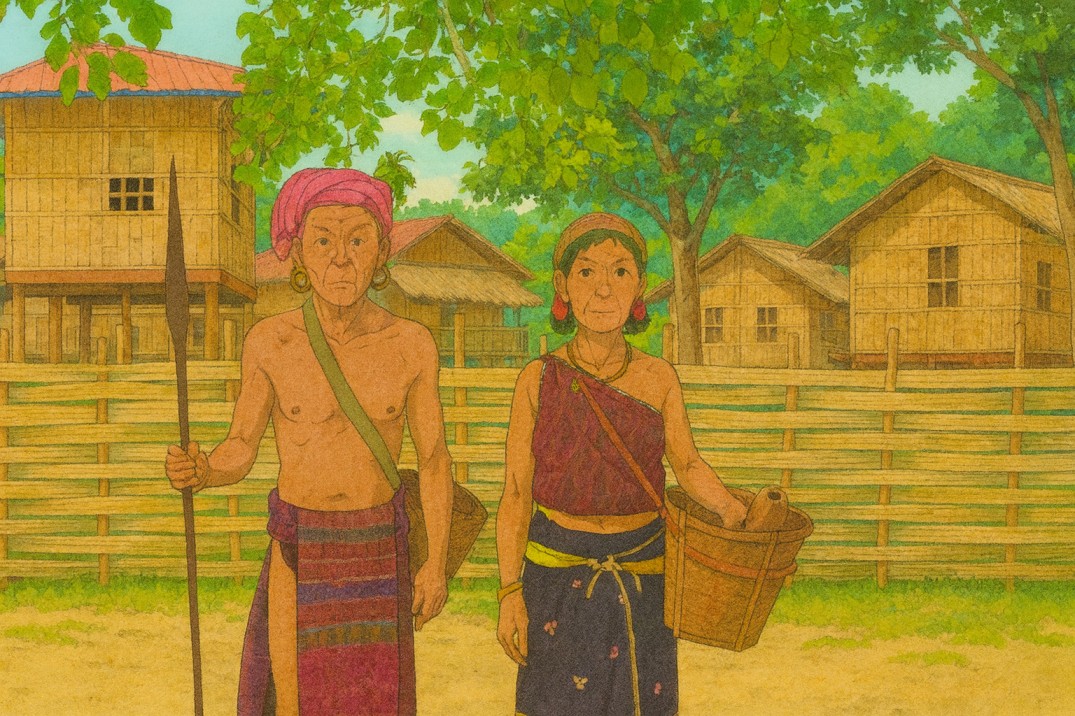
Wanklai, the primary lower-body garment worn by Mro women, is a quintessential expression of textile art. Woven entirely on the backstrap loom, it measures about 3–4 hands in length and 1 hand in width. While the body of the cloth is primarily black, a central strip featuring colorful geometric motifs is added using red or yellow threads. The yarn is dyed with plant-based pigments, including the Sam grass and Zafrang, a small tree producing deep red dye.
Dong (Men’s Loincloth):
Traditionally, Mro men wore a dong—a simple cloth tied around the waist with ends hanging front and back to cover the private parts. These were once woven by women from home-spun yarns and often decorated with symbolic motifs. However, the use of dong is now declining with the growing adoption of mainstream clothing like lungis and trousers.
Im (Shoulder Bag):
The im is a colorful shoulder bag woven by women from dyed karpas yarn. Each im is a canvas of intricate patterns and practical utility, often used to carry daily essentials. The skill of weaving im is a marker of a woman’s craftsmanship and cultural pride.
Wankong (Quilted Blanket):
Used during the cold season, wankong is a thick quilted blanket made by layering and sewing karpas yarn with raw cotton. Unlike wanma, this item is typically undecorated but prized for its warmth and durability.
Wanbe (Hammock Cloth):
Wanbe is a heavy, blanket-like fabric used to create baby hammocks. It is strung between two fixed points with ropes to gently cradle sleeping infants. Elderly Mro people also use wanbe as hammock-beds, embodying a cyclical sense of comfort and tradition.
Symbolism and Social Context
Weaving is more than an economic or utilitarian activity—it is a cultural rite of passage. Mro girls begin learning the art of backstrap loom weaving during adolescence, guided by elder women. Mastery over weaving, particularly the crafting of ka patterns (creative textile designs), is considered a mark of intelligence, patience, and feminine virtue.
While men’s traditional clothing has been rapidly replaced by modern attire due to accessibility and cultural shifts, women’s handwoven garments have remained more resilient, continuing to express identity and belonging. The visual language of woven designs—geometric forms, repetitive lines, and abstract symbols—acts as a silent but powerful expression of ethnic continuity and individuality.
Ecological Knowledge and Sustainability
What sets Mro textile traditions apart is their holistic integration with the local ecosystem. From cotton cultivation to natural dye extraction and weaving, every step is locally sourced and sustainably practiced. This deep ecological engagement reflects the Mro community’s long-standing relationship with the forest and its resources.
The traditional textiles of the Mro are not just clothing—they are living archives of heritage, resilience, and ecological artistry. In an age where mass-produced fabrics dominate global markets, the Mro weaving tradition stands as a powerful testament to indigenous creativity, sustainability, and cultural pride. The preservation and recognition of this craft are crucial not only for the Mro community but for the broader narrative of cultural diversity in Bangladesh.
সূতায় বাঁধা ঐতিহ্য: ম্রো জনগোষ্ঠীর তাঁত সংস্কৃতি ও ঐতিহ্যবাহী পোষাক
দক্ষিণ-পূর্ব বাংলাদেশের দুর্গম পাহাড়ি অঞ্চলের আদিবাসী ম্রো জনগোষ্ঠী তাদের স্বনির্ভর, বননির্ভর জীবনধারার মধ্য দিয়ে শতাব্দীর পর শতাব্দী ধরে গড়ে তুলেছে এক অনন্য সাংস্কৃতিক ঐতিহ্য। এই ঐতিহ্যের অন্যতম গুরুত্বপূর্ণ দিক হলো তাদের বস্ত্রবয়ন শিল্প—যা শুধু দৈনন্দিন প্রয়োজন নয়, বরং এক জীবন্ত শিল্পচর্চা, নান্দনিক সৃজনশীলতার প্রকাশ এবং প্রকৃতির সঙ্গে সহাবস্থানের প্রতীক।
তাঁতশিল্পের সাংস্কৃতিক উত্তরাধিকার
ম্রো নারীদের জীবনের অবিচ্ছেদ্য অংশ হলো কোমর তাঁতে বোনা। প্রায় প্রতিটি ম্রো পরিবারের নিজস্ব তাঁতযন্ত্র থাকে—যার মধ্যে প্রধান হলো কমর তন্ত (কোমর তাঁত), লিম (চাকা বা সুতা কাটা যন্ত্র) এবং চরকা। তাঁতের জন্য ব্যবহৃত প্রধান কাঁচামাল হলো কার্পাস—যা পাহাড়ের জুম চাষের মাধ্যমে উৎপাদিত হয়। তুলা সংগ্রহের পর চরকার সাহায্যে বীজ আলাদা করা হয়, তারপর লিম দিয়ে সুতা কাটা হয়। এসব সুতা প্রাকৃতিকভাবে প্রস্তুত করা উদ্ভিদভিত্তিক রঙে রঞ্জিত হয়।
রঙ প্রস্তুতে ব্যবহৃত হয় স্থানীয় গাছপালা ও শিকড় যেমন—প্রিংসো (লালচে-গেরুয়া রঙের জন্য), গ্রাম (গাঢ় কালো রঙের জন্য), হলুদ (হলুদের গাছ থেকে), এবং বিভিন্ন ডালপাতা ও গাছের ছাল। বিশেষভাবে উল্লেখযোগ্য হলো ‘সাম’ নামে এক ধরনের ঘাস, যা জুমের জমিতে সহজেই জন্মায়। এই ঘাসের পাতা পানিতে পচিয়ে গরম করে তৈরি করা হয় গাঢ় কালো রঙ, যাতে সুতা একটানা ২৪ ঘণ্টা ডুবিয়ে রাখা হয় যাতে রঙ স্থায়ী হয়।
প্রধান হাতবোনা পণ্যসমূহ
ওয়ানমা – ঐতিহ্যবাহী কম্বল:
স্থানীয়ভাবে কাটা তুলা থেকে মোটা সুতা তৈরি করে বোনা হয় এই ওয়ানমা। এটি উষ্ণ ও টেকসই কম্বল হিসেবে ব্যবহৃত হয়। বান্দরবান, রুমা ও থানচির ওয়ানমা সাধারণত এক বা দুটি সরল লাল রেখায় সীমিত, আর লামা, আলীকদম ও নাইখংছড়ির ওয়ানমায় দেখা যায় জটিল অলংকরণ।
তাপুং – শিশুবহন কাপড়:
তাপুং হলো মায়েরা শিশুকে পিঠে বেঁধে বহনের জন্য ব্যবহৃত কাপড়। সাধারণত চার হাত লম্বা ও এক হাত চওড়া এই কাপড়ের দুই প্রান্তে নকশা বোনা থাকে। প্রতিটি তাপুং যেন মায়ের স্নেহের পাশাপাশি প্রজন্মের উত্তরাধিকার বহন করে।
কারমা – নারীদের ব্লাউজ:
কারমা হলো নারীদের ঐতিহ্যবাহী ব্লাউজ, যা পরিধানকারীর দেহের মাপ অনুযায়ী বোনা হয়। এলাকার ভেদে এর নকশা ও সাজসজ্জার পার্থক্য দেখা যায়—লামা ও নাইখংছড়ি অঞ্চলের কারমা তুলনামূলকভাবে বেশি কারুকার্যময়।
ওয়ানক্লাই – নারীদের নিম্নাঙ্গের পোশাক:
ওয়ানক্লাই হলো ম্রো নারীদের প্রধান পোশাক, যা সম্পূর্ণভাবে কোমর তাঁতে বোনা হয়। সাধারণত তিন থেকে চার হাত লম্বা ও এক হাত চওড়া এই কাপড়ের মূল রঙ কালো, মাঝখানে লাল বা হলুদ সুতা দিয়ে জ্যামিতিক নকশা করা থাকে। কালো রঙের জন্য ব্যবহৃত হয় ‘সাম’ ঘাস, আর গভীর লাল রঙের জন্য ‘জাফরাং’ নামের এক প্রজাতির গাছ।
ডং – পুরুষদের কোমরবন্ধ কাপড়:
একসময় ম্রো পুরুষরা কোমরে ডং নামে একটি ছোট কাপড় পরতেন, যা সামনে ও পেছনে ঝুলে শরীর ঢেকে রাখত। এই কাপড় নারীরাই তাঁতে বুনতেন এবং তাতে বিশেষ প্রতীকী নকশা থাকত। বর্তমানে আধুনিক পোশাকের প্রসারে ডং-এর ব্যবহার অনেক কমে গেছে।
ইম – কাঁধে ঝোলানো ব্যাগ:
ইম হলো একধরনের রঙিন ব্যাগ, যা তুলার সুতা দিয়ে বোনা হয়। এতে সূক্ষ্ম নকশা ও রঙের সুষমা ফুটে ওঠে। এটি নারীদের দৈনন্দিন ব্যবহার্য জিনিস বহনের পাশাপাশি তাঁদের শিল্পদক্ষতার প্রতীক।
ওয়ানকং – সেলাই করা কম্বল:
শীতের সময় ব্যবহারের জন্য তৈরি হয় ওয়ানকং। এটি তুলার স্তর জুড়ে সেলাই করে তৈরি মোটা কম্বল। নকশাহীন হলেও এর প্রধান গুণ হলো উষ্ণতা ও স্থায়িত্ব।
ওয়ানবে – দোলনা বা হামক কাপড়:
ওয়ানবে হলো ভারী কাপড়, যা দিয়ে শিশুর দোলনা তৈরি করা হয়। দুই প্রান্তে দড়ি বেঁধে ঝুলিয়ে রাখা হয়, যাতে শিশু নিরাপদে ঘুমাতে পারে। অনেক প্রবীণ ম্রো মানুষও ওয়ানবে ব্যবহার করেন বিশ্রামের দোলনা হিসেবে—যেন জীবনের শুরু ও শেষ একই স্নেহের দোলায় বাঁধা।
প্রতীক, সামাজিক তাৎপর্য ও নারীর ভূমিকা
তাঁতশিল্প ম্রো সমাজে কেবল জীবিকা নয়—এটি এক সামাজিক অনুশাসন ও নারীর শিক্ষার অংশ। কৈশোর থেকেই মেয়েরা প্রবীণ নারীদের তত্ত্বাবধানে তাঁতের কাজ শেখে। নকশা বোনার দক্ষতা ও ধৈর্য ম্রো সমাজে এক নারীর বুদ্ধিমত্তা ও সৌন্দর্যের প্রকাশ বলে গণ্য হয়।
যেখানে পুরুষদের ঐতিহ্যবাহী পোশাক ক্রমে বিলুপ্ত হচ্ছে, সেখানে নারীদের পোশাক এখনো তাদের জাতিগত পরিচয়ের দৃঢ় প্রতীক। বোনা নকশাগুলোর বিমূর্ত রেখা ও জ্যামিতিক আকারগুলো যেন এক নীরব ভাষা—যার ভেতর জেগে থাকে স্মৃতি, ইতিহাস ও অস্তিত্বের বোধ।
প্রকৃতি, টেকসইতা ও সাংস্কৃতিক আত্মনির্ভরতা
ম্রো তাঁত সংস্কৃতির মূল বৈশিষ্ট্য হলো এর পরিবেশভিত্তিক টেকসই কাঠামো। তুলা চাষ, প্রাকৃতিক রঙ তৈরি, ও তাঁত বোনা—প্রতিটি ধাপেই প্রকৃতির উপকরণ ও জ্ঞান ব্যবহৃত হয়। এই প্রক্রিয়া ম্রোদের গভীর পরিবেশজ্ঞান ও বনজীবনের প্রতি শ্রদ্ধার প্রতিফলন।
ম্রোদের ঐতিহ্যবাহী বস্ত্র কেবল পোশাক নয়—এগুলো জীবন্ত ইতিহাস, উত্তরাধিকার এবং নান্দনিক প্রতিবাদের প্রতীক। যখন সারা বিশ্বে শিল্পায়িত, যান্ত্রিক কাপড় বাজার দখল করে নিচ্ছে, তখন ম্রোদের হাতবোনা বস্ত্র আমাদের স্মরণ করিয়ে দেয় প্রকৃতির সঙ্গে মানুষের সৃজনশীল সহাবস্থানের সম্ভাবনা। এই শিল্পের সংরক্ষণ শুধু ম্রো সমাজের জন্য নয়, বাংলাদেশের বহুমাত্রিক সাংস্কৃতিক পরিচয়ের জন্যও অত্যন্ত গুরুত্বপূর্ণ।