
Indigenous Language Notice
This material was documented through engagement with Mro oral and written traditions.
While standardized scripts and knowledgeable language practitioners do exist, producing accurate, verified transcriptions requires trained contributors, time, and fair compensation. At this self-funded stage of the project, it has not been possible to undertake this work responsibly.
Roots and Rights Collective is committed to developing properly resourced, community-led, and consent-based transcription and archiving of indigenous languages in future phases of this initiative.
Forest, Food, and Faith: Faunal Practices of the Mro
For the Mro of the Chittagong Hill Tracts (CHT), food is never just sustenance. It is an expression of their relationship with the forest, their spiritual beliefs, and their social identity. Every grain of rice grown in the jhum fields, every pig reared behind a bamboo house, and every hunt brought back from the forest reflects centuries of ecological knowledge and cultural values.
This article presents the food habits of the Mro and their interactions with both domestic and wild animals, revealing a way of life deeply tied to biodiversity, while also showing the pressures of modern encroachment and ecological loss.
Daily Food Habits
Rice grown in shifting cultivation (jhum) fields forms the staple of every meal, while pork remains the most cherished and celebrated food. Every respondent in the survey confirmed this preference. Other meats—beef, fish, and small birds—supplement diets when available, but pork carries cultural weight, often prepared in feasts and rituals.
This reliance on rice and pork illustrates the Mro worldview: the jhum field and the pigsty together secure both survival and social prestige.
Domestic Animals and Their Meanings
The Mro keep a wide range of domestic animals, but each serves a different function:
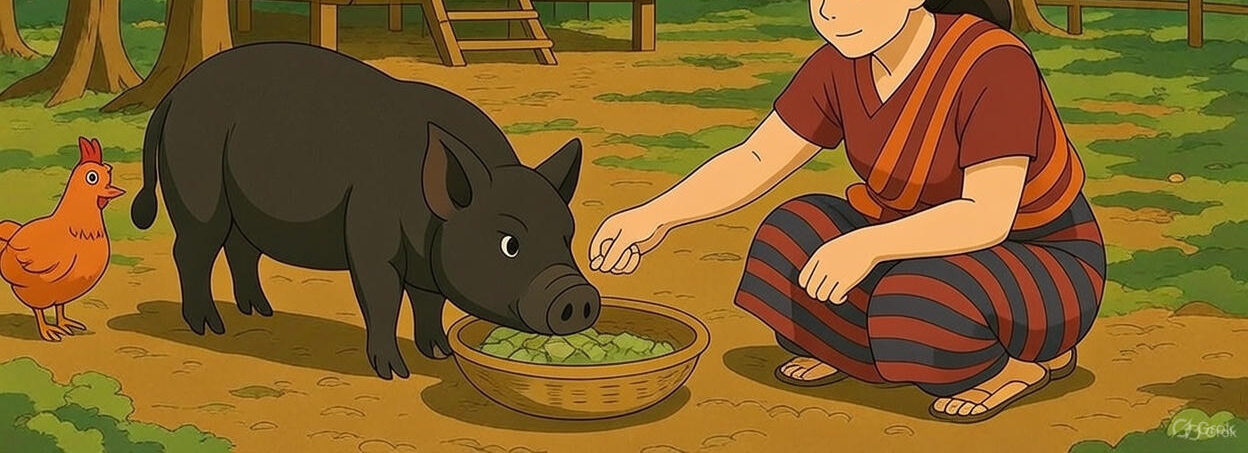
Pigs and chickens are the most common, raised for meat and ritual.
Koel birds are reared in surprising numbers, kept not only for food but also as pets and for their melodic calls.
Cows are few but significant, reserved for sacrifice in special ceremonies.
Dogs are found in nearly every household. They are guardians of the home, companions in the field, and, symbolically, protectors against evil spirits. Farmers note that dogs even consume human waste, reinforcing their role as cleaners of both space and spirit.
Notably, goats are absent from Mro villages. Unlike most Bangladeshi farming communities, the Mro avoid rearing goats because they strip bark from young garden trees, threatening household orchards. This refusal reflects an ecological choice rooted in long experience.
Sources of fodder are both forest and field. Chickens and pigs thrive on rice husks, while cows graze freely in the surrounding hills. The health and number of livestock is seen as a sign of wealth, indicating a household’s prosperity.
Harvesting the Wild
Beyond domestication, the forest remains an essential pantry. The Mro hunt and gather a wide range of animals:
Mammals: wild boar (Sus scrofa), barking deer (Muntiacus muntjak), and sambar deer (Cervus unicolor) rank among the most preferred.
Birds and insects: generally lower in preference, though jungle fowl (Gallus gallus) and seasonal insects are occasionally eaten.
Reptiles, amphibians, mollusks, and crabs: harvested opportunistically, reflecting a flexible diet attuned to forest abundance.
Nothing from a hunt is wasted. Meat is eaten fresh or preserved, while bones, skulls, horns, feathers, and shells are transformed into ornaments, decorations, or symbols of honor. Skulls and horns are hung at the entrance of houses as markers of prestige. Bird feathers brighten hair buns and festival wear. Even medicinal knowledge is embedded in hunting: wild boar meat, for instance, is believed to ease rheumatism.
Sacred Animals and Taboos
Not all animals are hunted. Within the Mro community, specific clans (gosthi) maintain taboos against killing certain species:
Kan bauk gosthi protect the monitor lizard.
Naicha gosthi avoid killing eagles.
Morog gosthi refrain from hunting jungle fowl.
Susprim gosthi respect tigers as sacred.
Valluk gosthi forbid the killing of wild bears, recalling ancestral stories where bear’s milk once saved human lives.
These clan-specific prohibitions weave spiritual belief into ecological practice, ensuring that not all species face equal hunting pressure.
In addition, Buddhist Mro households observe Go-Hotta—a cow sacrifice performed when a vow is fulfilled. The meat is shared widely, and the skin is given as a token of honor to relatives and neighbors.
Shrinking Forests and Shifting Strategies
Yet, the Mro themselves recognize that the forest is no longer what it once was. Every respondent in the survey lamented the alarming decline of wildlife and forest cover. Elders recall a time when the hills were dense and game abundant. Today, due to logging, population pressure, and migration of Bengali settlers, the “forest” is often reduced to denuded hills dotted with shrubs.
Species once common—such as the dhole (Cuon alpinus) and leopard (Panthera pardus)—have vanished from Thanchi. Others, like elephants and bears, are now rare sightings. The Mro link these declines directly to external encroachment rather than their own practices.
In response, many households have turned more heavily toward domesticated protein. Pigs and chickens, with their high reproduction rates, are seen as the best alternatives to hunting. Some Mro have even requested support for expanding small-scale livestock programs, believing this would reduce pressure on forests while meeting nutritional needs.
The food habits of the Mro people are not simply dietary choices—they are cultural markers, ecological practices, and spiritual expressions. Rice and pork symbolize the union of jhum and hearth; dogs embody loyalty and protection; wild horns and feathers transform into art and memory. At the same time, sacred taboos preserve species from overhunting, offering a traditional form of conservation.
But the Mro also stand at a crossroads. The rapid decline of forest habitats threatens not only biodiversity but also the very foundations of their culture. Their openness to alternatives—particularly livestock development—suggests a path forward that blends tradition with adaptation.
For conservation policy, the lesson is clear: protecting the Mro’s food culture requires protecting their forests, but also supporting community-led solutions for food security. Any effort to conserve wildlife in the CHT must begin with those who live closest to it, whose lives, beliefs, and identities are inseparable from the forest’s fate.
অরণ্য, আহার ও আস্থা: ম্রো জনগোষ্ঠীর প্রাণীসম্পর্কিত খাদ্যসংস্কৃতি
চট্টগ্রাম পার্বত্য অঞ্চলের ম্রো জনগোষ্ঠীর কাছে খাদ্য শুধুই আহার নয়—এটি তাদের অরণ্যের সঙ্গে সম্পর্ক, আধ্যাত্মিক বিশ্বাস ও সামাজিক পরিচয়ের এক জীবন্ত প্রকাশ। জুমের ক্ষেতে জন্মানো প্রতিটি ধানশস্য, বাঁশের ঘরের পেছনে লালিত প্রতিটি শূকর, কিংবা অরণ্য থেকে ফিরিয়ে আনা প্রতিটি শিকার—সবই শতাব্দীজুড়ে সঞ্চিত পরিবেশজ্ঞান ও সাংস্কৃতিক মূল্যবোধের প্রতিফলন।
এই প্রবন্ধে ম্রোদের খাদ্যাভ্যাস ও গৃহপালিত ও বন্য প্রাণীর সঙ্গে তাদের সম্পর্ক তুলে ধরা হয়েছে—যা একদিকে জীববৈচিত্র্যের সঙ্গে তাদের গভীর সংযোগ প্রকাশ করে, অন্যদিকে আধুনিক অনুপ্রবেশ ও পরিবেশ ক্ষয়ের চাপও স্পষ্ট করে।
দৈনন্দিন খাদ্যাভ্যাস
জুমচাষে উৎপন্ন ধানই ম্রোদের প্রধান খাদ্য, আর শূকরের মাংস তাদের সবচেয়ে প্রিয় ও মর্যাদাপূর্ণ আহার। প্রতিটি সাক্ষাৎকারদাতা এই পছন্দের কথা নিশ্চিত করেছেন। অন্যান্য মাংস—গরু, মাছ বা ছোট পাখি—মেলে সুযোগে, কিন্তু শূকরের মাংসই উৎসব ও আচার-অনুষ্ঠানের কেন্দ্রবিন্দু।
ধান ও শূকরের এই নির্ভরতা ম্রোদের বিশ্বদর্শন প্রকাশ করে—জুমক্ষেত ও শূকরখোঁয়াড়, এই দুইয়ের সংযুক্তিই তাদের জীবিকা ও সামাজিক মর্যাদার প্রতীক।
গৃহপালিত প্রাণী ও তাদের তাৎপর্য
ম্রোরা নানান গৃহপালিত প্রাণী পালন করেন, কিন্তু প্রতিটির ভূমিকা আলাদা—
- শূকর ও মুরগি সবচেয়ে সাধারণ, এবং মাংস ও ধর্মীয় অনুষ্ঠানের জন্য লালিত হয়।
- কোয়েল পাখি আশ্চর্যজনকভাবে প্রচুর দেখা যায়; খাদ্যের পাশাপাশি সৌন্দর্য ও সুরের আনন্দের জন্যও পোষা হয়।
- গরু তুলনামূলকভাবে বিরল, কিন্তু বিশেষ আচার-অনুষ্ঠানে বলিদানের জন্য ব্যবহৃত হয়।
- কুকুর প্রায় প্রতিটি ঘরেই আছে। তারা পাহারাদার, শিকারসঙ্গী, এমনকি অপদেবতা থেকে রক্ষাকারী প্রতীক হিসেবে বিবেচিত। ম্রোরা বিশ্বাস করেন, কুকুর মানুষের মলও খায়—যা তাকে শারীরিক ও আধ্যাত্মিক পরিচ্ছন্নতার প্রতীক করে তোলে।
লক্ষণীয়, ম্রো গ্রামগুলোতে ছাগল নেই। বাংলাদেশের অন্যান্য কৃষিজীবী সমাজের বিপরীতে ম্রোরা ছাগল পালন এড়িয়ে চলেন, কারণ ছাগল গাছের ছাল খেয়ে বাগানের গাছ নষ্ট করে। এই নিষেধাজ্ঞা তাদের দীর্ঘ অভিজ্ঞতাভিত্তিক পরিবেশ-সচেতন সিদ্ধান্তের নিদর্শন।
গৃহপালিত প্রাণীর খাবার আসে ক্ষেত ও অরণ্য উভয় থেকেই। মুরগি ও শূকর খায় ধানের ছাল ও গৃহস্থালি বর্জ্য, গরু চরতে যায় আশেপাশের পাহাড়ে। গৃহপালিত প্রাণীর সংখ্যা ও স্বাস্থ্য একটি পরিবারের সমৃদ্ধির সূচক হিসেবে বিবেচিত।
অরণ্য থেকে আহরণ
গৃহপালনের পাশাপাশি অরণ্য এখনো ম্রোদের প্রধান আহারের উৎস। তারা নানা বন্যপ্রাণী শিকার ও আহরণ করেন—
- স্তন্যপায়ী প্রাণী: বুনো শূকর (Sus scrofa), কাঁঠা হরিণ (Muntiacus muntjak), ও সাম্বর হরিণ (Cervus unicolor) সবচেয়ে প্রিয়।
- পাখি ও পোকামাকড়: তুলনামূলকভাবে কম প্রাধান্য পায়, তবে বনমুরগি (Gallus gallus) ও মৌসুমি পোকা খাদ্যতালিকায় স্থান পায়।
- সরীসৃপ, উভচর, ঝিনুক ও কাঁকড়া: সুযোগ পেলে সংগ্রহ করা হয়—এটি অরণ্যের প্রাচুর্যের সঙ্গে মানিয়ে নেওয়া এক নমনীয় খাদ্যাভ্যাসের প্রতিফলন।
কোনো শিকারের অংশই অপচয় হয় না। মাংস খাওয়ার পর হাড়, খুলি, শিং, পালক, খোলস—সবকিছুই অলংকার, গৃহসজ্জা বা সম্মানের প্রতীক হয়ে ওঠে। ঘরের প্রবেশপথে ঝুলে থাকা খুলি ও শিং হলো গর্বের চিহ্ন। পাখির পালক ব্যবহৃত হয় উৎসবের সাজে। এমনকি শিকারও চিকিৎসাজ্ঞানের সঙ্গে যুক্ত—যেমন বুনো শূকরের মাংস বাতের ব্যথা উপশমে কার্যকর বলে বিশ্বাস করা হয়।
পবিত্র প্রাণী ও নিষিদ্ধ শিকার
সব প্রাণী শিকারযোগ্য নয়। ম্রো সমাজে প্রতিটি গোত্র (গোষ্ঠী) কিছু নির্দিষ্ট প্রাণী হত্যায় নিষেধাজ্ঞা মানে—
- কান বাউক গোষ্ঠী: গোসাপ হত্যা নিষিদ্ধ।
- নাইচা গোষ্ঠী: ঈগল হত্যা করে না।
- মোরগ গোষ্ঠী: বনমুরগি শিকার করে না।
- সুসপ্রিম গোষ্ঠী: বাঘকে পবিত্র বলে মানে।
- ভল্লুক গোষ্ঠী: ভালুক হত্যা নিষিদ্ধ, কারণ তাদের প্রাচীন কাহিনিতে বলা হয়—একসময় ভালুকের দুধ মানুষকে রক্ষা করেছিল।
এই গোত্রভিত্তিক নিষেধাজ্ঞাগুলো আধ্যাত্মিক বিশ্বাস ও পরিবেশগত ভারসাম্যের মধ্যে গভীর সম্পর্ক তৈরি করে, ফলে কিছু প্রজাতি স্বাভাবিকভাবেই সংরক্ষিত থাকে।
তাছাড়া, বৌদ্ধ ম্রো পরিবারে “গো-হত্তা” নামে একটি বলিদানপ্রথা প্রচলিত—কোনো মানত পূরণ হলে গরু বলি দেওয়া হয়। মাংস সমানভাবে বিতরণ করা হয়, এবং চামড়া উপহার দেওয়া হয় আত্মীয় ও প্রতিবেশীদের সম্মানস্বরূপ।
অরণ্য সংকোচন ও পরিবর্তিত কৌশল
তবে ম্রোরা নিজেরাই স্বীকার করেন—অরণ্য এখন আর আগের মতো নেই। প্রত্যেক সাক্ষাৎকারদাতা বন্যপ্রাণ ও বন আচ্ছাদের দ্রুত হ্রাসের কথা বলেছেন। প্রবীণরা স্মরণ করেন, একসময় পাহাড় ছিল ঘন বন ও প্রাণে ভরপুর। আজ তা বৃক্ষহীন ঢালু জমি ও ঝোপে পরিণত হয়েছে।
যেসব প্রজাতি একসময় সাধারণ ছিল—যেমন ধোল (Cuon alpinus) ও চিতাবাঘ (Panthera pardus)—তারা এখন থানচি অঞ্চলে বিলুপ্ত। হাতি ও ভালুকও দেখা যায় বিরলভাবে। ম্রোরা এই ক্ষয়ের কারণ হিসেবে নিজেদের নয়, বরং বহিরাগত দখল, বসতি বিস্তার ও বন নিধনকে দায়ী করেন।
এর প্রতিক্রিয়ায়, অনেক পরিবার এখন শিকার নির্ভরতা কমিয়ে গৃহপালিত প্রাণীর দিকে ঝুঁকেছে। শূকর ও মুরগি দ্রুত বংশবৃদ্ধি করে বলে এগুলোই প্রোটিনের টেকসই উৎস হিসেবে বিবেচিত। কিছু ম্রো পরিবার ছোট আকারের পশুপালন প্রকল্পের সহায়তা চেয়েছে—যাতে খাদ্য নিরাপত্তা ও বন সংরক্ষণ একসঙ্গে বজায় থাকে।
ম্রো জনগোষ্ঠীর খাদ্যাভ্যাস কেবল খাদ্যের বিষয় নয়—এটি তাদের সংস্কৃতি, পরিবেশজ্ঞান ও আধ্যাত্মিকতার প্রতিফলন। ধান ও শূকর জুম ও গৃহের ঐক্যকে প্রতীকায়িত করে; কুকুর বিশ্বস্ততা ও সুরক্ষার প্রতীক; বন্যপ্রাণীর শিং ও পালক রূপ নেয় শিল্প ও স্মৃতিতে। একই সঙ্গে পবিত্র নিষেধাজ্ঞা ও গোত্রীয় ট্যাবু অনেক প্রজাতিকে রক্ষা করে, যা এক ঐতিহ্যগত সংরক্ষণব্যবস্থা হিসেবে কাজ করে।
কিন্তু ম্রোরা এখন এক সন্ধিক্ষণে দাঁড়িয়ে। দ্রুত বনহানি ও বন্যপ্রাণ বিলুপ্তি শুধু জীববৈচিত্র্য নয়, তাদের সংস্কৃতির ভিত্তিকেও বিপন্ন করছে। তবু, গৃহপালিত প্রাণীর বিকল্প ব্যবস্থার প্রতি তাদের আগ্রহ ইঙ্গিত দেয় যে ঐতিহ্য ও অভিযোজন—এই দুইয়ের মিশ্রণই ভবিষ্যতের পথ হতে পারে।
সংরক্ষণনীতির জন্য শিক্ষা স্পষ্ট: ম্রোদের খাদ্যসংস্কৃতি রক্ষা করতে হলে তাদের বন রক্ষা করতে হবে, এবং একই সঙ্গে খাদ্যনিরাপত্তার সম্প্রদায়নির্ভর সমাধানকে সমর্থন দিতে হবে। পার্বত্য অঞ্চলের বন্যপ্রাণ সংরক্ষণের যেকোনো উদ্যোগ শুরু হতে হবে তাদের দিয়েই—যাদের জীবন, বিশ্বাস ও পরিচয় অরণ্যের ভবিষ্যতের সঙ্গে অবিচ্ছেদ্যভাবে যুক্ত।