
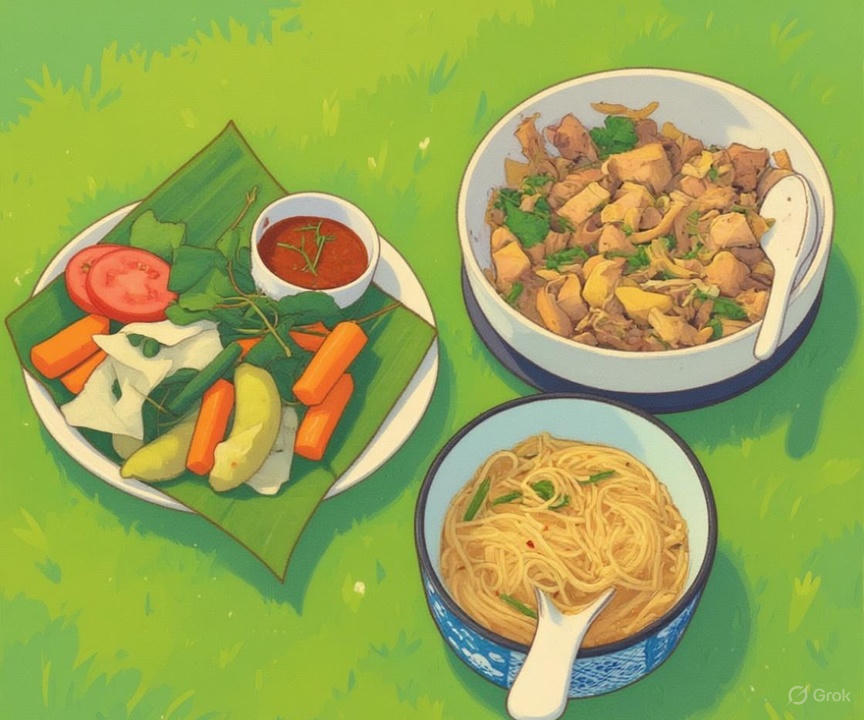
တောင်တန်းများ၏အရသာ- မာရ်မာအစားအစာဓလေ့ထုံးတမ်းများနှင့် ရှေးဟောင်းချက်ပြုတ်မှုယဉ်ကျေးမှု
Translated by U Wainnita
စစ်တကောင်းတောင်တန်းဒေသရှိ မာရ်မာလူမျိုးများအတွက် အစားအစာသည် အာဟာရသက်သက်မဟုတ်ဘဲ ၎င်းတို့၏ ပတ်ဝန်းကျင်ဆိုင်ရာအသိအမြင်၊ လူမှုရေးတန်ဖိုးများနှင့် ယဉ်ကျေးမှုဆိုင်ရာ ဆက်လက်တည်တံ့မှုကို ဖော်ပြခြင်းတစ်ခုဖြစ်သည်။ ၎င်းတို့၏ချက်ပြုတ်ခြင်းသည် ဒဿနိကဗေဒဆိုင်ရာအလေ့အကျင့်တစ်ခုဖြစ်ပြီး လတ်ဆတ်မှု၊ ရိုးရှင်းမှုနှင့် သဘာဝနှင့် သဟဇာတဖြစ်မှုတို့သည် အဓိကဖြစ်သည်။ ဘင်္ဂါလီချက်ပြုတ်မှုအများစုကို ဆီနှင့် ဟင်းခတ်အမွှေးအကြိုင်များဖြင့် လွှမ်းမိုးထားသော်လည်း မာရ်မာအစားအစာဓလေ့ထုံးတမ်းမှာ ကန့်သတ်ထားသည်။ ၎င်းတို့သည် လတ်ဆတ်သောဟင်းသီးဟင်းရွက်များ၊ တောရိုင်းဆေးဖက်ဝင်အပင်များ၊ ငါးများနှင့် သစ်တောပါဝင်ပစ္စည်းများမှ အရသာကို တိုက်ရိုက်ရရှိပြီး အနည်းဆုံးပြုပြင်မှုဖြင့် ရရှိသည်။
ပါဝင်ပစ္စည်းများနှင့် ပတ်ဝန်းကျင်
မာရ်မာအစားအစာယဉ်ကျေးမှုသည် ၎င်းတို့၏ သဘာဝပတ်ဝန်းကျင်နှင့် မခွဲမခွာ ဆက်စပ်နေသည်။ ဗိုလ်မင်းထောင် သက်ထောင်နှင့် ပလံထောင်တောင်ကုန်းဒေသများတွင် နေထိုင်သော မာရ်မာလူမျိုးများသည် ဂျမ်စိုက်ပျိုးခြင်းနှင့် စပါးခင်းများဖြင့် အသက်မွေးဝမ်းကျောင်းပြုကြသည်။ ၎င်းတို့၏ အဓိကအစားအစာမှာ ကောက်ညှင်းဆန်ဖြစ်ပြီး ဘင်္ဂါလီလူမျိုးများ၏ သာမန်ဆန်နှင့် လုံးဝကွဲပြားပြီး ၎င်းတို့၏ အစားအစာဝိသေသလက္ခဏာ၏ အဓိကသင်္ကေတဖြစ်သည်။
အဓိကပါဝင်ပစ္စည်းများတွင် အောက်ပါတို့ပါဝင်သည်-
ဟင်းသီးဟင်းရွက်များနှင့် တောရွက်များ- ဝါးသန္တာကျောက်တန်း၊ ရွှေဖရုံသီး၊ ဘူးသီး၊ ပိန်းကြာရွက်၊ ဂျင်းရွက်နှင့် တောစားနိုင်သော အရွက်များ- တို့စား။
ငါးနှင့် ရေနေသတ္တဝါများ- မြစ်ငါးငယ်၊ ငါးခြောက် (ငါးပိ) နှင့် ပုစွန်။
သစ်တောထွက်ပစ္စည်းများ- ငှက်ပျောရွက်၊ ဝါး၊ မန်ကျည်းသီး၊ တောသရက်သီးနှင့် ဆေးဖက်ဝင်အပင်အမျိုးမျိုး။
အမွှေးအကြိုင်များနှင့် အမွှေးအကြိုင်များ- ငရုတ်သီး၊ ကြက်သွန်ဖြူ၊ နနွင်း၊ ကြက်သွန်နီ၊ ဆန်မှုန့်။
ပူသောအမွှေးအကြိုင်များသည် မာရ်မာချက်ပြုတ်ရာတွင် ရှားပါးသည်။
အစားအစာသည် ရာသီဥတုအလိုက် ပြောင်းလဲသည်- နွေရာသီတွင် အချဉ်ရည် (ပုန်းရယ်)၊ ဆောင်းရာသီ သို့မဟုတ် ပွဲတော်များတွင် ကောက်ညှင်းဆန်လုံးနှင့် အသားဟင်းလျာများ အဓိကပါဝင်သည်။
ချက်ပြုတ်သည့်ပစ္စည်းများနှင့် နည်းစနစ်များ
မာရ်မာချက်ပြုတ်ရာတွင် အသုံးပြုသောနည်းလမ်းများသည် ၎င်းတို့၏ပတ်ဝန်းကျင်နှင့် နက်ရှိုင်းသောဆက်စပ်မှုကို ဖော်ပြသည်။
ဝါးပြွန်များ- ‘အာထို’ (ဝါးဖြင့်ကြော်ထားသော အသား သို့မဟုတ် ဟင်းသီးဟင်းရွက်များ) နှင့် ‘အပေါင်း’ (ဝါးဖြင့်ပေါင်းထားသော ငါး သို့မဟုတ် ကြက်သား) ချက်ပြုတ်ရန်အသုံးပြုသည်။ ဝါးသည် အစားအစာကို ရနံ့သင်းစေပြီး သဘာဝချက်ပြုတ်မှု၏ လက္ခဏာကို ဖော်ပြသည်။
ငှက်ပျောရွက်များ- အစားအစာထုပ်ပိုးရန် (အိုအွန်ဟန်း၊ ကျိုင်းဒက်မုန်)။
မြေအိုးများနှင့် သံအိုးများ- ပြုတ်ရန်၊ ပြုတ်ရန် သို့မဟုတ် အနည်းငယ်ကြော်ရန်။
ပြာရည် (စားခြစ်ဟင်း)- ချက်ပြုတ်ရာတွင် အသုံးပြုသော မီးရှို့ထားသောဝါး သို့မဟုတ် ငှက်ပျောရွက်မှ ပြုလုပ်ထားသော အယ်ကာလိုင်းရေ- ၎င်းသည် ၎င်းတို့၏ ဒေသရင်းဓာတုဗေဒ၏ ဥပမာတစ်ခုဖြစ်သည်။
ဤနည်းလမ်းများသည် သဘာဝအရင်းအမြစ်များအကြောင်း ၎င်းတို့၏ဗဟုသုတနှင့် သဘာဝအရသာများအပေါ် နက်ရှိုင်းစွာလေးစားမှုကို သက်သေပြသည်။
နေ့စဉ်ချက်ပြုတ်နည်း (အချက်အပြုတ်)
မာရ်မာအိမ်ထောင်စုတစ်ခု၏ နေ့စဉ်အစားအစာသည် ထမင်းနှင့် ပေါ့ပါးသော ဟင်းလျာတစ်ခု သို့မဟုတ် နှစ်ခုဖြင့် ချက်ပြုတ်လေ့ရှိသည်။ အဓိကပြင်ဆင်မှုအချို့မှာ-
အပြန်: ပုစွန်ခြောက်နှင့် ဟင်းသီးဟင်းရွက်များကို ဆားဖြင့်ပြုတ်ထားသည်။
ပြန်ချက် (ငရုပ်ခြမ်းနှင့်): ငါးခြောက်နှင့် ငရုတ်သီးစိမ်းတို့ဖြင့် ချက်ပြုတ်ထားသော ဟင်းသီးဟင်းရွက်များ။
အလှော်: ဟင်းသီးဟင်းရွက် သို့မဟုတ် ကြက်ဥများကို အပေါ့စားကြော်ထားသည်။
အထိုး/အထောင်း: အသားနှင့် ငါးများကို ဝါးထဲတွင် သို့မဟုတ် အိုးထဲတွင် ကြော်ထားသည်။
အပေါင်း: ငါး သို့မဟုတ် ကြက်သားကို ကြက်ဥနှင့် ဆေးဖက်ဝင်အပင်များဖြင့် ဝါးပြွန်ထဲတွင် ပေါင်းထားသည်။
အချက်: ငရုတ်သီးနှင့် နနွင်းတို့ဖြင့် ချက်ပြုတ်ထားသော ဟင်းချိုကဲ့သို့သော ဟင်းတစ်မျိုး။
အိုအုံဟင်း: ငါး သို့မဟုတ် ဟင်းသီးဟင်းရွက်များကို ငှက်ပျောရွက်ဖြင့်ထုပ်၍ မီးဖိုတွင်ကြော်ထားသည်။
လှော်ချက်: ငါး သို့မဟုတ် ဟင်းသီးဟင်းရွက်များကို ဖြည်းဖြည်းချင်းပြုတ်ထားသည်။
ဆန်လှော်: ဆန်မှုန့်ကြော်ဖြင့် ပြုလုပ်ထားသော ဟင်းတစ်မျိုး။
ဆန်နစ်: ဝါးပင်ပေါက် သို့မဟုတ် ဘူးသီးစိမ်းကို ဆန်မှုန့်နှင့် ပုစွန်ခြောက်တို့ဖြင့် ချက်ပြုတ်ထားသည်။
စာခြစ်: အယ်ကာလိုင်းရေတွင် ပြုတ်ထားသော ဟင်းသီးဟင်းရွက်များ။
လက်သုက်: ငါးခြောက်နှင့် ငရုတ်သီးစိမ်းတို့ဖြင့် အစိမ်း သို့မဟုတ် ပြုတ်ထားသော ဟင်းသီးဟင်းရွက်သုပ်။
တို့စား: ထမင်းနှင့် ငရုတ်သီးအနှစ်ဖြင့် စားသုံးနိုင်သော အရွက်စိမ်း။
ပုန်းရယ်: မန်ကျည်းသီး သို့မဟုတ် မီးရှို့ထားသော မန်ကျည်းသီးဖြင့် ပြုလုပ်ထားသော ချဉ်သော ငါးဟင်းရည်။
ဤအသုံးအနှုန်းအားလုံးတွင် မာရ်မာချက်ပြုတ်ခြင်း၏ အခြေခံအတွေးအခေါ်မှာ ရှင်းပါသည်- “ပေါ့ပါးသော်လည်း အာဟာရပြည့်ဝသည်”။
ပွဲတော်နှင့် ဘာသာရေးဆိုင်ရာ ကိတ်မုန့်များ (မုံ-မံ)
ကောက်ညှင်း ဆန်ကိတ်မုန့်များ (မုံ-မာ) သည် ဆောင်းရာသီနှင့် ပွဲတော်များတွင် မာရ်မာလူမျိုးများ၏ အဓိကအစားအစာဖြစ်သည်။ ၎င်းတို့ကို မီးဖိုတွင် ရေနွေးငွေ့ဖြင့် ပေါင်းခြင်း သို့မဟုတ် ကြော်ခြင်း ပြုလုပ်လေ့ရှိပြီး ၎င်းတို့၏ ရိုးရာကျန်းမာရေးအသိနှင့် ရိုးရာဓလေ့ကို ကိုယ်စားပြုသည်။
အဓိကကိတ်မုန့်အချို့-
ကောက်ညှင်းပေါင်း- ဘာသာရေးနှင့် အခမ်းအနားများအတွက် အသုံးပြုသော ကောက်ညှင်းဆန်ကိတ်မုန့်။
ကျိုင်ဒေါက်မုန့်- အုန်းသီးနှင့် ထန်းလျက်တို့ဖြင့် ဝါးဖြင့်ဖုတ်ထားသော ကိတ်မုန့်။
ခွက်ပေါင်းမုန့်- ဘင်္ဂါလီ ‘ဘားပါပီထား’ နှင့် ဆင်တူသည်။
ကဒေါ့မုန့်- ငှက်ပျောရွက်ဖြင့် ထုပ်ထားသော ကွန်ပုံသဏ္ဌာန်ကိတ်မုန့်။
ဆီလှော်မုန့်- ဆန်မှုန့်၊ ငှက်ပျောသီးနှင့် သကြားတို့ဖြင့် ကြော်ထားသော ကိတ်မုန့်။
ဖက်ကတ်မုန့် ဖက်ချည်မုန့်- ငှက်ပျောရွက်ကိတ်မုန့်ပါးပါးများကို ရေနွေးငွေ့ဖြင့် ပေါင်းခြင်း သို့မဟုတ် မီးဖိုတွင် ချက်ပြုတ်ခြင်း။
မြက်စာမုန့်- ပူပြင်းသော ဒယ်အိုးပေါ်တွင် ရေနွေးငွေ့ဖြင့် ပေါင်းထားသော ပြားချပ်ကိတ်မုန့်။
ဆောက်ပုတ်မုန့်- တုတ်ပုံသဏ္ဌာန်ကိတ်မုန့်များကို ကြော်ပြီး ပျားရည်တွင် နှစ်ထားသည်။
ဆတ်သပေါင်းမုန့်: အုန်းသီးနှင့် သကြားဖြင့် ပြည့်နေသော ပါးပါးလှီးထားသော crepe ကဲ့သို့ ကိတ်မုန့်များ။
ဝါဖြီးမုန့်: ပုံစံကြော်ထားသော ကိတ်မုန့်များ။
ပိုင်စရာ: မာရ်မာအစားအစာတွင် ရှားပါးသော နို့ဖြင့်ပြုတ်ထားသော ဆန်လုံးများ – နို့အခြေခံ ဟင်းလျာတစ်ခုဖြစ်သည်။
ဤကိတ်မုန့်များသည် အစားအစာသက်သက်မဟုတ်ဘဲ ကြွယ်ဝချမ်းသာမှု၊ ဝမ်းမြောက်မှုနှင့် စည်းလုံးညီညွတ်မှုကို ကိုယ်စားပြုသည်။ ၎င်းတို့ကို မင်္ဂလာဆောင်များ၊ ရိတ်သိမ်းပွဲများနှင့် ဗုဒ္ဓဘာသာ ဘာသာရေးအခမ်းအနားများတွင် ကျွေးမွေးကြသည်။
သင်္ကေတအဓိပ္ပာယ်နှင့် လူမှုရေးအရေးပါမှု
မာရ်မာလူ့အဖွဲ့အစည်းတွင် အစားအစာသည် လူမှုရေးနှင့် ဝိညာဉ်ရေးရာ အရေးပါမှုရှိသည်။
ဧည့်ဝတ်ကျေပွန်မှု- ဧည့်သည်များအား ဆန်မုန့်များ၊ ပေါ့ပါးသောဟင်း သို့မဟုတ် ‘အလှော်’ ကျွေးမွေးခြင်းသည် လေးစားမှုနှင့် ယဉ်ကျေးမှု၏ လက္ခဏာတစ်ခုဖြစ်သည်။
ဘာသာရေးဆိုင်ရာ သန့်ရှင်းမှု- ဗုဒ္ဓဘာသာဘာသာရေးအခမ်းအနားများတွင် အသုံးပြုကြပြီး ၎င်းသည် သန့်ရှင်းသောအစားအစာကို ကိုယ်စားပြုသည်။
ပတ်ဝန်းကျင်ဆိုင်ရာ အသိပညာ- ဝါး၊ ငှက်ပျောရွက်နှင့် ပြာရည်တို့ကို အသုံးပြုခြင်းသည် ၎င်းတို့၏ သဘာဝဓာတုဗေဒနှင့် ဂေဟဗေဒကို ထင်ဟပ်စေသည်။
ရာသီစက်ဝန်း- နွေရာသီတွင် ချဉ်သောဟင်းရည်၊ ဆောင်းရာသီတွင် မုန့်ချဲ- သဘာဝတရား၏ စည်းချက်နှင့် အစားအသောက်အလေ့အထများ၏ သဟဇာတဖြစ်မှု။
စုပေါင်းလက္ခဏာ- ပွဲတော်များတွင် မုန့်ချဲကို အတူတကွ မျှဝေခြင်းသည် မျိုးဆက်တစ်ခုနှင့်တစ်ခုကြား နှောင်ကြိုးများကို ခိုင်မာစေသည်။
မာရ်မာချက်ပြုတ်ခြင်းသည် ယဉ်ကျေးမှုဆိုင်ရာ အတွေးအခေါ်တစ်ခုဖြစ်သည် – အလယ်အလတ်၊ သဘာဝကို လေးစားမှုနှင့် အသိုင်းအဝိုင်းပွဲတော်ကို ထင်ဟပ်စေသည်။ သစ်တောပါဝင်ပစ္စည်းများကို မှီခိုအားထားခြင်း၊ ဆီနှင့် အမွှေးများကို အနည်းဆုံးအသုံးပြုခြင်း၊ ဝါးဖြင့်ချက်ပြုတ်ခြင်းနှင့် အယ်ကာလိုင်းရေကို အသုံးပြုခြင်းကဲ့သို့သော ထူးခြားသောနည်းလမ်းများသည် ၎င်းကို တောင်အာရှ၏ အဓိကအစားအစာများနှင့် ကွဲပြားစေသည်။
၎င်းသည် အစားအစာသက်သက်မဟုတ်ဘဲ သဘာဝသိပ္ပံ၊ ဘာသာရေးသင်္ကေတနှင့် လူမှုရေးစည်းလုံးညီညွတ်မှုတို့ ဆက်စပ်နေသော သက်ရှိအစဉ်အလာတစ်ခုဖြစ်သည်။ ဤအစားအစာယဉ်ကျေးမှုကို ထိန်းသိမ်းခြင်းဆိုသည်မှာ မာရ်မာလူမျိုးများ၏ ကိုယ်ပိုင်လက္ခဏာကို ထိန်းသိမ်းခြင်းနှင့် တောင်ပေါ်ဘဝတွင် နက်ရှိုင်းစွာအမြစ်တွယ်နေသော ရေရှည်တည်တံ့သော အစားအစာအတွေးအခေါ်၏ အမွေအနှစ်ကို ထိန်းသိမ်းခြင်းပင်ဖြစ်သည်။
Flavors of the Hills: Culinary Heritage and Traditional Foods of the Marma
Among the Marma people of the Chittagong Hill Tracts (CHT), food is more than nourishment; it is an expression of ecological knowledge, social values, and cultural continuity. Their culinary traditions reveal a philosophy of cooking that emphasizes freshness, simplicity, and harmony with nature. Unlike mainstream Bengali cuisine, which often relies on heavy oils and spices, Marma food practices are marked by restraint: flavors are drawn directly from fresh vegetables, wild herbs, fish, and forest resources, with minimal processing.
Ingredients and Ecology
Marma food culture is inseparable from its natural environment. Settled mainly in the hilly regions of Bandarban, Rangamati, and Khagrachhari, the Marma rely on both shifting cultivation (jhum) and wet rice fields for their staples. Glutinous rice, a variety distinct from the plain rice consumed by Bengalis, is central to their culinary identity.
Other important ingredients include:
Vegetables and wild greens: bamboo shoots, pumpkin, gourd, fern leaves, ginger leaves, and To-Jah (wild edible leaves).
Fish and aquatic life: small river fish, dried fish (ng’pi), and shrimp.
Forest products: banana leaf, bamboo tubes, tamarind, wild mango, and herbs.
Spices and condiments: chili, garlic, turmeric, onion, and rice powder. Unlike Bengali cuisine, the use of garam masala is rare.
Seasonality shapes food habits: light sour broths (pu-re) are favored in summer, while sticky rice cakes and rich meat dishes appear in winter and during festivals.
Cooking Tools and Techniques
The Marma have preserved cooking methods that demonstrate an intimate relationship with their environment:
Bamboo tubes: used for Athó (roasted meat or vegetables sealed in bamboo) and A’pying (steamed fish or chicken with herbs). Bamboo imparts a subtle fragrance and symbolizes cooking “with the forest.”
Banana leaves: wrapping food for roasting (O-ung Hang, Kodok-Mung) or sealing bamboo tubes.
Earthen pots and iron pans: for boiling, simmering, or frying.
Ash-water (Cha-Khruy): alkaline water prepared from burnt bamboo or banana leaves, used as a cooking medium, revealing indigenous chemistry.
These methods reflect both resourcefulness and a preference for retaining natural flavors.
Categories of Everyday Cooking (Akhyak-Apruk)
Everyday meals typically revolve around rice, accompanied by one or two light dishes. Some representative preparations include:
Apreng: vegetables boiled with dried shrimp and salt.
Prengkhyak (Ng’rukhengkhyak): vegetables cooked with dried shrimp, dried pressed fish, and chili.
Ahl: lightly stir-fried vegetables or eggs.
Athó / A’thong: bamboo-roasted or pot-roasted meat and fish.
Apying: steamed fish or chicken with eggs and herbs inside bamboo.
Akhyak: oil-based curries with chili and turmeric.
O-ung Hang: fish or vegetables wrapped in banana leaves and roasted.
Hla-Khyak: slow-simmered vegetables or fish.
Cheing-Hla: curry enriched with fried rice powder.
Cheing-Noi: bamboo shoots or gourds cooked with rice flour and dried shrimp.
Cha-Khroi: leafy greens boiled in alkaline water.
Lak-Suk: mashed or raw vegetable salads with chili and dried fish.
To-Jah: raw edible leaves eaten with rice and chili paste.
Pung-re: sour broths made from roasted mango or tamarind with fish. Together, these dishes form a culinary grammar where boiling, steaming, and roasting take precedence over frying, and where the principle is “light but nourishing.”
Festive Cakes and Ritual Foods (Mung-Mang)
Glutinous rice cakes, or mung-ma, form the centerpiece of Marma winter and festival foods. Cakes are often steamed or roasted rather than fried, reinforcing the aesthetic of health and lightness.
Kong-G’nangbong: steamed glutinous rice for rituals and ceremonies.
Kyengdak-Mung: bamboo-roasted rice cakes with coconut and jaggery.
Khoyakpong-Mung: steamed cakes resembling Bengali bhapa pitha.
Kodok-Mung: cone-shaped banana leaf-wrapped cakes.
Chihla-Mung: fried cakes of rice flour, banana, and sugar.
Fakkai-Mung and Fakkhyoi-Mung: flat banana leaf cakes, steamed or roasted.
Mrakcha-Mung: steamed flat cakes prepared on hot pans.
Chakpuk-Mung: rod-shaped deep-fried cakes dipped in syrup.
Ches’f-Mung: delicate crepe-like cakes filled with coconut-sugar mixture.
Ofri-Mung: fried cakes with patterned impressions.
Poingzra: rice flour balls simmered in sweet milk, rare for its dairy content.
These cakes are more than food: they are symbols of abundance, joy, and community sharing. They are served at weddings, harvest festivals, and Buddhist religious gatherings.
Symbolism and Social Meaning
Food in Marma society extends beyond the plate:
Hospitality: Guests are offered rice cakes, light curries, or Ahl, signaling respect and generosity.
Ritual purity: Glutinous rice (konggnangb) is reserved for Buddhist rituals, symbolizing sacred nourishment.
Ecological knowledge: The use of bamboo, banana leaves, and ash-water in cooking demonstrates indigenous ecological science.
Seasonal cycles: Sour broths in summer and cakes in winter mirror the rhythm of climate and harvest.
Community identity: Sharing cakes during festivals reinforces belonging and continuity across generations.
Marma cuisine embodies a cultural philosophy of restraint, respect for nature, and celebration of community. Its reliance on forest resources, minimal use of oil and spices, and unique methods such as bamboo-roasting and alkaline cooking distinguish it from mainstream South Asian food traditions. More than sustenance, Marma culinary heritage is a living archive of ecological knowledge, ritual symbolism, and social cohesion.
By preserving and documenting these practices, the Marma community asserts both their distinct identity and their role as custodians of a sustainable food tradition deeply entwined with the hills of Bangladesh.
পাহাড়ের স্বাদ: মারমা খাদ্য ঐতিহ্য ও প্রাচীন রান্না সংস্কৃতি
পার্বত্য চট্টগ্রামের মারমা জনগোষ্ঠীর কাছে খাদ্য কেবল পুষ্টি নয়—এটি তাদের পরিবেশজ্ঞান, সামাজিক মূল্যবোধ ও সাংস্কৃতিক ধারাবাহিকতার প্রকাশ। তাদের রান্না একটি দার্শনিক চর্চা, যেখানে সতেজতা, সরলতা এবং প্রকৃতির সঙ্গে সামঞ্জস্যই মূল। মূলধারার বাঙালি রান্নায় যেখানে তেল-মসলা প্রাধান্য পায়, সেখানে মারমা খাদ্য ঐতিহ্য সংযমী; তারা স্বাদ আহরণ করেন সরাসরি তাজা শাকসবজি, বুনো ভেষজ, মাছ ও বনজ উপাদান থেকে, অল্প প্রক্রিয়াজাত করে।
উপকরণ ও পরিবেশ
মারমা খাদ্যসংস্কৃতি তাদের প্রাকৃতিক পরিবেশের সঙ্গে অচ্ছেদ্যভাবে যুক্ত। বান্দরবান, রাঙ্গামাটি ও খাগড়াছড়ির পাহাড়ি অঞ্চলে বসবাসরত মারমারা জীবিকা নির্বাহ করেন জুম চাষ ও সমতল ধানের মাঠের মাধ্যমে। তাদের প্রধান খাদ্য হলো আঠালো/ বিন্নি চাল (glutinous rice)—যা বাঙালিদের সাধারণ চাল থেকে একেবারে ভিন্ন এবং তাদের খাদ্যপরিচয়ের মূল প্রতীক।
প্রধান উপকরণগুলোর মধ্যে রয়েছে:
- শাকসবজি ও বনজ পাতা: বাঁশকোরল, কুমড়া, লাউ, শাপলার পাতা, আদা পাতা ও ‘তো-জা’ নামের বুনো ভোজ্য পাতা।
- মাছ ও জলজ প্রাণী: নদীর ছোট মাছ, শুকনো মাছ (ঙ্পি), ও চিংড়ি।
- বনজ পণ্য: কলাপাতা, বাঁশ, তেঁতুল, বন আম, ও নানা ভেষজ।
- মসলা ও ঘ্রাণদ্রব্য: মরিচ, রসুন, হলুদ, পেঁয়াজ, চালের গুঁড়ো।
গরম মসলা মারমা রান্নায় প্রায় অনুপস্থিত।
ঋতুভেদে খাবারে পরিবর্তন আসে: গ্রীষ্মে হালকা টক ঝোল (পুংরে), আর শীতে বা উৎসবে আঠালো চালের পিঠা ও মাংসের পদ প্রাধান্য পায়।
রান্নার উপকরণ ও কৌশল
মারমা রান্নায় ব্যবহৃত পদ্ধতিগুলো তাদের পরিবেশের সঙ্গে গভীর সম্পর্ক প্রকাশ করে।
- বাঁশের নল: ‘আথো’ (বাঁশে ভাজা মাংস বা সবজি) ও ‘আপইং’ (বাঁশে ভাপে রান্না করা মাছ বা মুরগি) প্রস্তুতে ব্যবহৃত হয়। বাঁশ খাবারে সুগন্ধ যোগ করে এবং প্রাকৃতিক রান্নার পরিচয় বহন করে।
- কলাপাতা: খাবার মোড়ানোর জন্য (ও-উং হাং, ক্যেংদক-মুং)।
- মাটির হাঁড়ি ও লোহার কড়াই: সিদ্ধ, ঝোল বা হালকা ভাজার কাজে।
- ছাই-পানি (চা-খ্রইঃ হাং): পুড়ানো বাঁশ বা কলাপাতা থেকে তৈরি ক্ষারীয় পানি, যা রান্নায় ব্যবহার করা হয়—এটি তাদের আদিবাসী রসায়নবিদ্যার এক দৃষ্টান্ত।
এই পদ্ধতিগুলো প্রমাণ করে তাদের প্রাকৃতিক সম্পদের ব্যবহারজ্ঞান এবং স্বাভাবিক স্বাদের প্রতি গভীর শ্রদ্ধা।
দৈনন্দিন রান্নার ধরন (আখ্যাক্-আপ্রুক)
মারমা ঘরের প্রতিদিনের আহার সাধারণত ভাতকে কেন্দ্র করে, সঙ্গে এক বা দুইটি হালকা পদ। প্রধান কিছু প্রস্তুতি হলো:
- আপ্রেং: শুকনো চিংড়ি ও লবণ দিয়ে সেদ্ধ শাকসবজি।
- প্রেংখ্যাক্ (ঙরুখ্রেংখ্যাক্): শুকনো মাছ ও মরিচ দিয়ে রান্না করা সবজি।
- আহ্ল: হালকা ভাজা সবজি বা ডিম।
- অ্থো / অ্থং: বাঁশে বা হাঁড়িতে ভাজা মাংস ও মাছ।
- আপইং: বাঁশের নলে ডিম ও ভেষজসহ ভাপে রান্না করা মাছ বা মুরগি।
- আখ্যাক্: মরিচ ও হলুদ দিয়ে রান্না করা ঝোলজাতীয় তরকারি।
- ও-উং হাং: কলাপাতায় মোড়া মাছ বা সবজি, চুলায় ভাজা।
- হ্ল্-খ্যাক্: ধীরে সিদ্ধ করা মাছ বা সবজি।
- ছেং-হ্ল: ভাজা চালের গুঁড়ো মিশিয়ে রান্না করা তরকারি।
- ছেইং-নয়: বাঁশকোড়ল বা লাউ চালের গুঁড়ো ও শুকনো চিংড়ি দিয়ে রান্না করা।
- চা-খ্রইঃ: ক্ষারীয় পানিতে সিদ্ধ শাকসবজি।
- লাক্-সুক্: কাঁচা বা ভর্তা জাতীয় সবজি সালাদ, শুকনো মাছ ও মরিচসহ।
- তোঃজা: কাঁচা খাওয়ার যোগ্য পাতা, ভাত ও মরিচভর্তার সঙ্গে।
- পুং-রে: তেঁতুল বা পুড়ানো আম দিয়ে তৈরি হালকা টক মাছের ঝোল।
এই সব পদে মারমা রান্নার মূল দর্শন স্পষ্ট: “হালকা, কিন্তু পুষ্টিকর।”
উৎসবের পিঠা ও ধর্মীয় খাবার (মুং-মাং)
বিন্নি চালের পিঠা (মুং-মা) হলো মারমাদের শীতকাল ও উৎসবের মূল খাবার। এগুলো সাধারণত ভাপে বা চুলায় ভাজা হয়— যা ঐতিহ্যের পাশাপাশি তাদের পরম্পরাগত স্বাস্থ্যসচেতনতাও প্রকাশ করে।
প্রধান কিছু পিঠা:
- কংএ্যাংবং: আঠালো চালের ভাত, ধর্মীয় ও আনুষ্ঠানিক কাজে ব্যবহৃত।
- ক্যেংদক-মুং: নারকেল ও গুড় দিয়ে বাঁশে পোড়া পিঠা।
- খোয়ক্পং-মুং: বাঙালি ‘ভাপা পিঠা’র মতো।
- কদঃ-মুং: কলাপাতায় মোড়া শঙ্কু-আকৃতির পিঠা।
- ছিহ্লঃ-মুং: চালের গুঁড়ো, কলা ও চিনি দিয়ে ভাজা পিঠা।
- ফাক্কাই-মুং ও ফাক্খ্যই-মুং: পাতলা কলাপাতার পিঠা, ভাপে বা চুলায় তৈরি।
- ম্রাক্চা-মুং: গরম তাওয়ায় বাষ্পে রান্না করা সমতল পিঠা।
- ছক্পুক্-মুং: দন্ডাকৃতি পিঠা, ভেজে সিরায় ডুবানো হয়।
- ছেসফ্-মুং: পাতলা ক্রেপজাতীয় পিঠা, ভেতরে নারকেল-চিনি পুর।
- ওফ্রি-মুং: নকশাযুক্ত ভাজা পিঠা।
- পইংজ্রা: দুধে সিদ্ধ চালের গোলা—মারমা খাদ্যে বিরল দুধভিত্তিক পদ।
এই সব পিঠা কেবল খাবার নয়—এগুলো সমৃদ্ধি, আনন্দ ও মিলনের প্রতীক। বিয়ে, ফসল উৎসব ও বৌদ্ধ ধর্মীয় অনুষ্ঠানে এগুলো পরিবেশিত হয়।
প্রতীকী অর্থ ও সামাজিক তাৎপর্য
মারমা সমাজে খাদ্য সামাজিক ও আধ্যাত্মিক অর্থ বহন করে:
- অতিথি আপ্যায়ন: অতিথিকে চালের পিঠা, হালকা তরকারি বা ‘আহ্ল’ পরিবেশন করা সম্মান ও সৌজন্যের চিহ্ন।
- ধর্মীয় পবিত্রতা: বিন্নি বৌদ্ধ ধর্মীয় অনুষ্ঠানে ব্যবহৃত হয়, যা পবিত্র খাদ্যের প্রতীক।
- পরিবেশজ্ঞান: বাঁশ, কলাপাতা ও ছাই-পানি ব্যবহারে তাদের প্রাকৃতিক রসায়ন ও পরিবেশবিজ্ঞান প্রতিফলিত।
- ঋতুচক্র: গ্রীষ্মে টক ঝোল, শীতে পিঠা—প্রকৃতির ছন্দের সঙ্গে খাদ্যাভ্যাসের সামঞ্জস্য।
- সমষ্টিগত পরিচয়: উৎসবে একত্রে পিঠা ভাগাভাগি করা প্রজন্মান্তরের বন্ধনকে দৃঢ় করে।
মারমা রান্না এক সাংস্কৃতিক দর্শনের প্রতিফলন—সংযম, প্রকৃতির প্রতি শ্রদ্ধা, ও সম্প্রদায়ের আনন্দোৎসব। বনজ উপাদানের ওপর নির্ভরতা, অল্প তেল-মসলার ব্যবহার, বাঁশে রান্না ও ক্ষারীয় পানি ব্যবহারের মতো অনন্য পদ্ধতিগুলো একে দক্ষিণ এশীয় মূলধারার রান্না থেকে পৃথক করে।
এটি শুধু খাদ্য নয়—এক জীবন্ত ঐতিহ্য, যেখানে মিশে আছে প্রকৃতির বিজ্ঞান, ধর্মীয় প্রতীক, ও সামাজিক সংহতি। এই খাদ্যসংস্কৃতির সংরক্ষণ মানে মারমা জনগোষ্ঠীর নিজস্ব পরিচয় রক্ষা করা, এবং পাহাড়ি জীবনের সঙ্গে গভীরভাবে যুক্ত এক টেকসই খাদ্যদর্শনের উত্তরাধিকার ধরে রাখা।