
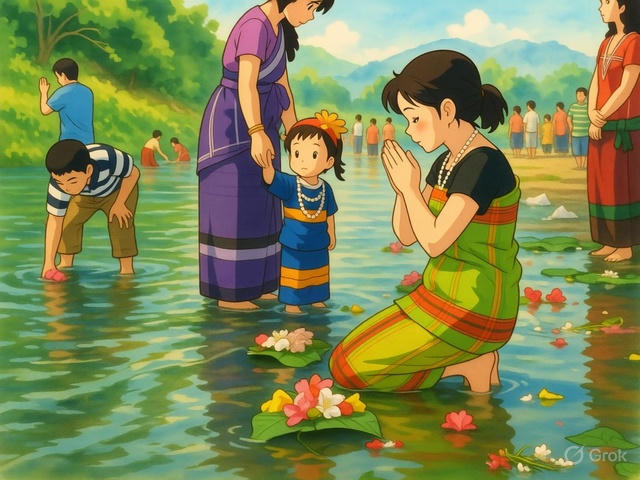
ဘုရားဝတ်ပြုခြင်း၏ အလင်းရောင်- မာရ်မာပွဲတော်များနှင့် ဘာသာရေးထုံးတမ်းစဉ်လာများ
Translated by U Wainnita
စစ်တကောင်းတောင်တန်းဒေသရှိ မာရ်မာလူမျိုးများသည် အများအားဖြင့် ထေရဝါဒဗုဒ္ဓဘာသာဝင်များဖြစ်သည်။ မကြာသေးမီက လူအနည်းငယ်သည် ခရစ်ယာန်ဘာသာသို့ ကူးပြောင်းခဲ့သော်လည်း မာရ်မာယဉ်ကျေးမှုနှင့် ထုံးတမ်းစဉ်လာများသည် ဗုဒ္ဓဘာသာအစဉ်အလာတွင် နက်ရှိုင်းစွာ အမြစ်တွယ်နေဆဲဖြစ်သည်။ ၎င်းတို့၏ပွဲတော်အများစုသည် ဗုဒ္ဓ၏ဘဝ သို့မဟုတ် ဗုဒ္ဓဘာသာပြက္ခဒိန်နှင့် နီးစပ်သောဖြစ်ရပ်များနှင့် ဆက်စပ်နေသည်။ သို့သော် သင်္ကြန် (နှစ်သစ်ကူးပွဲတော်) ကဲ့သို့သော ပွဲတော်အချို့တွင်လည်း လူမှုရေးဆိုင်ရာ စရိုက်လက္ခဏာရှိသည်။ မာရ်မာ၏အမြင်တွင် လူမှုရေးနှင့် ဘာသာရေးဘဝသည် သီးခြားစီမဟုတ်ပါ။ ပွဲတော်တစ်ခုစီသည် တစ်ပြိုင်နက်တည်း ဘုရားဝတ်ပြုခြင်း၊ သီလကို စုဆောင်းခြင်းနှင့် လူမှုရေးစည်းလုံးညီညွတ်မှုကို ခိုင်မာစေခြင်းတို့၏ လုပ်ဆောင်ချက်တစ်ခုဖြစ်သည်။
ညောင်ရေလောင်းပွဲတော်-ညောင်ရေသွန်းပွဲ
ဤပွဲတော်သည် ဗုဒ္ဓ၏ဘဝတွင် အရေးကြီးသောဖြစ်ရပ်သုံးခုဖြစ်သည့် မွေးဖွားခြင်း၊ ဗောဓိပင်အောက်တွင် ဉာဏ်အလင်းပွင့်ခြင်းနှင့် ပရိနိဗ္ဗာန်စံခြင်းကို အောက်မေ့သတိရသောပွဲတော်ဖြစ်သည်။ ၎င်းတို့အနက် ဉာဏ်အလင်းပွင့်ခြင်းသည် အထူးအရေးကြီးပြီး ၎င်းကို သစ်ပင်ကိုးကွယ်မှုတွင် ထင်ဟပ်စေသည်။
ပွဲတော်မတိုင်မီတစ်ရက်တွင် ဘုရားဖူးများသည် သစ်ပင်ခြေရင်းတွင် မြေကြီးပုံသွန်းလောင်းကြသည် – များသောအားဖြင့် ညောင်ပင် (Banayan tree) သို့မဟုတ် ဗောဓိပင် (Ficus religiosa)။
လပြည့်နေ့တွင် အမျိုးသားနှင့် အမျိုးသမီးများသည် သစ်ပင်ခြေရင်းတွင် ရေ၊ အမွှေးနံ့သာရေနှင့် အုန်းရည်တို့ကို သွန်းလောင်းကြပြီး ဆုတောင်းကြသည်။
ရဟန်းတော်များသည် အခမ်းအနားကို ဦးဆောင်ကာ သရဏဂုံနှင့် ငါးပါးသီလကို ရွတ်ဆိုကြပြီး တရားဒေသနာများ ဟောကြားကြသည်။
ရဟန်းတော်များနှင့် အသိုင်းအဝိုင်းအတွက် စုပေါင်းပွဲတော်တစ်ခုကို စီစဉ်ပေးထားပြီး ၎င်းသည် ကုသိုလ်ကောင်းမှုတစ်ခုအဖြစ် သတ်မှတ်ကြသည်။
ဝါဆိုပွဲ(ဝါဆိုလပြည့်)
ဤပွဲတော်သည် ဗုဒ္ဓ၏ စွန့်လွှတ်ခြင်း၊ ဉာဏ်အလင်းပွင့်ခြင်းနှင့် ပထမဆုံးတရားဒေသနာ (ဓမ္မစက္ကပ္ပဝတ္တနသုတ္တန်) ကို အောက်မေ့သတိရသောပွဲတော်ဖြစ်သည်။
ယနေ့မှစ၍ ရဟန်းတော်များသည် မိုးရာသီ (နေအိမ်) ကို စတင်ကြသည်။
နံနက်ခင်းတွင် အမျိုးသား၊ အမျိုးသမီး ဘာသာဝင်များသည် ရဟန်းတော်များအား အာလောင်ချောင်း (အရုဏ်ဆွမ်း) ပူဇော်ကြသည်။
ဗုဒ္ဓရုပ်ပွားတော်ရှေ့တွင် ပန်းများ၊ အမွှေးတိုင်များနှင့် ဆီးမီးတိုင်များကို ပူဇော်ကြသည်။
လူအများက ထိုနေ့အတွက် ရှစ်ပါးသီလကို လက်ခံကျင့်သုံးကြသည်။
မွန်းလွဲပိုင်းတွင် ရဟန်းတော်များသည် ဗုဒ္ဓရုပ်ပွားတော်အား ရေချိုးခြင်းအခမ်းအနားကို ပြုလုပ်ကြသည်။
အလှူရှင်များသည် လိုအပ်သော ရှစ်ပါး (သန့်စင်ပြီး) ပစ္စည်းများကို ရဟန်းတော်များအား လှူဒါန်းကြသည် – သင်္ကန်း၊ ဆွမ်းခံ၊ အပ်၊ ခါးပတ်၊ ဓား၊ ရေစစ် စသည်တို့။
ဝါကျွတ်ပွဲ (မိုးရာသီကုန်ဆုံးခြင်းပွဲတော်)
သီတင်းကျွတ်လပြည့်နေ့တွင် ကျင်းပသော ဤပွဲတော်သည် မိုးရာသီကုန်ဆုံးခြင်းကို အမှတ်အသားပြုသည်။
ရဟန်းတော်များသည် ငါးပါးသီလကို ရွတ်ဆိုကြပြီး တရားဒေသနာများ ဟောကြားကြသည်။
ကောက်ညှင်းမုန့်၊ ဆန်မုန့် စသည်တို့ကို ပြင်ဆင်ကြသည်။
ကောင်းကင်တွင် မီးဗုံးများနှင့် မီးအိုးများ ထွန်းညှိခြင်းသည် ပွဲတော်၏ အဓိကသင်္ကေတဖြစ်ပြီး တာဝတိံသာနတ်ဘုံမှ ဗုဒ္ဓဆင်းသက်လာခြင်းကို အောက်မေ့ဖွယ်ဖြစ်သည်။
ထမောင်းထောင် (အလှူစေတီ)—ဝါး သို့မဟုတ် ကြံဖြင့်ပြုလုပ်ထားသော စေတီငယ်တစ်ခုဖြစ်ပြီး ပန်းများ၊ ဆန်၊ ကွမ်းရွက်စသည်တို့ဖြင့် အလှဆင်ထားသည်။
ဘုရားဖူးများသည် ရိုးရာသီချင်းကို ဖျော်ဖြေကြသည်။
ကထိန်ပွဲ (ကထိန်အလှူပွဲတော်)
သီတင်ကျွတ်လပြည့်နေ့မှ တန်ဆောင်မုန်းလပြည့်နေ့ကြားတွင် ကျင်းပသည်။ ၎င်းသည် မာရ်မာဘာသာရေးပြက္ခဒိန်တွင် အမြင့်မြတ်ဆုံးပွဲတော်များထဲမှ တစ်ခုဖြစ်သည်။
ဗုဒ္ဓခေတ်တွင် ရဟန်း ၃၃ ပါးသည် မိုးရာသီတွင် ပိတ်မိနေခဲ့ပြီး အိမ်သားများက တစ်ညတည်းရက်လုပ်ထားသော သင်္ကန်းကို လှူဒါန်းခဲ့ကြသည်။
ယနေ့ခေတ်တွင် သင်္ကန်းအများစုကို ဝယ်ယူကြသော်လည်း ဘုန်းကြီးကျောင်းအချို့တွင် တစ်ညတည်းရက်လုပ်သည့် အစဉ်အလာရှိနေဆဲဖြစ်သည်။
သင်္ကန်းနှင့်အတူ ဖျာများ၊ စောင်များ၊ ခြင်ထောင်များ၊ ဖိနပ်များ၊ ထီးများ၊ အစားအစာများ စသည်တို့ကိုလည်း လှူဒါန်းကြသည်။
ပဒေသာ (ပဒေသာပင်) ဟုခေါ်သော အထူးအဆောက်အအုံတစ်ခုကို တည်ဆောက်ထားပြီး အဝတ်အစားများ၊ ငွေကြေးများ၊ စာအုပ်များ စသည်တို့ကို အကန့်အသတ်မရှိ ပေးကမ်းခြင်းကို ကိုယ်စားပြုသည်။
ပွဲတော်၏ အဆင့်နှစ်ဆင့်မှာ (၁) သင်္ကန်းလှူဒါန်းခြင်းနှင့် တရားဟောခြင်း၊ (၂) လူမှုရေးပွဲ။
ညနေပိုင်းတွင် မှောင်မိုက်မှုကို ဖယ်ရှားပြီး ဉာဏ်အလင်းရရှိခြင်း၏ သင်္ကေတအဖြစ် တန်ဆောင်မုန်းဆီမီး(မီးအိမ်ထွန်းညှိခြင်း) ကို ပြုလုပ်ကြသည်။
ပျားဆွမ်းလောင်းပွဲ (တောသလင်းလပြည့် ပွဲတော်)
တောသလင်းလပြည့်နေ့တွင် ကျင်းပသော ဤပွဲတော်သည် ပါဠိဗုဒ္ဓဘာသာကျမ်းဂန်တွင် အဖြစ်အပျက်တစ်ခုကို အောက်မေ့ဖွယ်ကျင်းပသည်။
ဗုဒ္ဓသည် ပါလီလေယျတော၌ သီတင်းသုံးနေတော်မူစဉ် ဆင်တစ်ကောင်သည် နေ့စဉ် သစ်သီးနှင့် ပန်းများကို ပူဇော်လေ့ရှိသည်။ မျောက်တစ်ကောင်သည် ပျားရည်ဘီးကို ယူဆောင်လာရာ ဗုဒ္ဓသည် လက်ခံတော်မူခဲ့သည်။ မျောက်သည် ဝမ်းမြောက်စွာဖြင့် သစ်ပင်တစ်ပင်မှ တစ်ပင်သို့ ခုန်တက်ကာ သေဆုံးသွားပြီး သူတော်ကောင်းအဖြစ် ပြန်လည်မွေးဖွားလာခဲ့သည်။
ဤအကြောင်းကို အောက်မေ့သတိရသောအားဖြင့် ဘုရားဖူးများသည် ရဟန်းတော်များအား ပျားရည်နှင့် အခြားအစားအစာများကို ပူဇော်ကြသည်။
ငါးပါးသီလ၊ ပန်းနှင့် ဆီမီးများကို ပူဇော်ပြီး တရားဒေသနာများ ဟောကြားကြသည်။
ရှင်ပြု-ရဟန်းခံပွဲ(ဥပသမ္ပဒါပွဲတော်)
တပို့တွဲလပြည့်နေ့တွင် ကျင်းပသော ဤပွဲတော်သည် ရဟန်းသစ်များ (သာမဏေ) ကို ခံယူခြင်းနှင့် မြင့်မြတ်သော ခံယူခြင်း (ဥပသမ္ပဒါ) အတွက် အခါသမယဖြစ်သည်။
လူငယ်များကို ရဟန်း သို့မဟုတ် သာမဏေအဖြစ် ရဟန်းခံကြသည်။
မိသားစုများအတွက် ၎င်းသည် ဘာသာရေးတာဝန်နှင့် လူမှုရေးပျော်ရွှင်မှု နှစ်မျိုးလုံးဖြစ်သည်။
သင်္ကေတများနှင့် လူမှုရေးအရေးပါမှု
အလင်းရောင် (မီးဗုံး၊ မီးအိုး): ဗုဒ္ဓ၏ ဉာဏ်အလင်းပွင့်ခြင်းနှင့် မသိနားမလည်မှု၏ အဆုံးသတ်ကို သင်္ကေတ။
အလှူငွေ စေတီများနှင့်ပဒေသာ: အကန့်အသတ်မရှိသော သီလနှင့် ရက်ရောမှုတို့၏ သင်္ကေတများသည် ဝိညာဉ်ရေးဆိုင်ရာ ဗိသုကာလက်ရာများတွင် ပုံဖော်ထားသည်။
တေးဂီတ (ခေါ်) သီချင်းများ: ဗုဒ္ဓဘာသာတန်ဖိုးများကို လူကြိုက်များသော ယဉ်ကျေးမှုနှင့် ရောနှောထားသော ဝတ်ပြုကိုးကွယ်မှုနှင့် ဖျော်ဖြေရေး ရောနှောမှု။
ရာသီအလိုက် စက်ဝန်းများ: ပွဲတော်များသည် စိုက်ပျိုးရေးလုပ်ငန်းနှင့် ရဟန်းများ၏ မိုးရာသီနှင့် ဆက်စပ်နေပြီး သဘာဝနှင့် ဝိညာဉ်ရေးအချိန်ကို ညီညွတ်စေသည်။
မာရ်မာပွဲတော်များသည် ထေရဝါဒဗုဒ္ဓဘာသာသည် စစ်တကောင်းတောင်တန်းဒေသများ၏ အခြေအနေတွင် မည်သို့ဒေသခံပုံစံသို့ ရောက်ရှိသွားသည်ကို ပြသသည် – ၎င်း၏ကိုယ်ပိုင်ထုံးတမ်းစဉ်လာများနှင့် သင်္ကေတများကို ထည့်သွင်းခြင်းဖြင့်။ မြန်မာ၊ ထိုင်းနှင့် သီရိလင်္ကာတို့နှင့် နှိုင်းယှဉ်ပါက ဘာရှာဝါ၊ ချီဘာဒါအန် သို့မဟုတ် ကဆုန်လပြည့်တို့သည် ကမ္ဘာလုံးဆိုင်ရာဖြစ်သော်လည်း သစ်ပင်များပေါ်တွင် ရေလောင်းခြင်း၊ အလှူငွေပုံများနှင့် ကာလပတရုသစ်ပင်များကဲ့သို့သော မာမာဆန်းသစ်တီထွင်မှုများသည် ၎င်းတို့၏ဒေသခံပတ်ဝန်းကျင်နှင့် ယဉ်ကျေးမှုဆိုင်ရာ အပြန်အလှန်ဆက်သွယ်မှုများတွင် အမြစ်တွယ်နေသည်။
မာရ်မာလူမျိုးများအတွက် ဤပွဲတော်များသည် ဘာသာရေးဆိုင်ရာ အလေ့အကျင့်များသာမက ရာသီဥတုနှင့် သဘာဝတရားနှင့် ဆက်စပ်နေသော လူမှုရေးစည်းလုံးညီညွတ်မှု၏ အရင်းအမြစ်တစ်ခုဖြစ်ပြီး ဘင်္ဂလားဒေ့ရှ်နိုင်ငံတွင် ၎င်းတို့၏ လူမျိုးရေးလက္ခဏာနှင့် ဝိညာဉ်ရေးဆိုင်ရာ စည်းလုံးညီညွတ်မှု၏ ခိုင်မာသောသင်္ကေတတစ်ခုလည်း ဖြစ်သည်။
Lights of Devotion: Festivals and Religious Observances of the Marma
The Marma people of the Chittagong Hill Tracts (CHT) of Bangladesh are predominantly Theravāda Buddhists. While a small number have converted to Christianity in recent times, the cultural and ritual life of the Marmas remains deeply intertwined with Buddhist traditions. Most communal festivals are rooted in the life of the Buddha or in Buddhist liturgical cycles, though certain celebrations, such as Sangrai (the New Year festival), carry a more social character. In the Marma worldview, however, the social and the religious are rarely separate: festivals function simultaneously as acts of devotion, opportunities for merit-making (puñña), and occasions for reinforcing community solidarity.
Ynang-Ri-Long Pwey (Baishakhi Full Moon Festival)
This festival commemorates three pivotal events in the Buddha’s life—his birth, his enlightenment beneath the Bodhi tree, and his parinirvāṇa. Among these, the enlightenment episode is given special emphasis, reflected in the ritual veneration of trees.
On the day before the festival, devotees prepare the base of a tree—usually a banyan (Ficus benghalensis) or bodhi (Ficus religiosa)—by shaping earthen embankments.
On the full moon day, men and women pour water, scented water, and coconut water over the tree while offering prayers.
Monks preside over the ceremony, administer the Five Precepts (pañca-sīla), and deliver sermons.
Food offerings and community feasts are organized as acts of merit.
Wacho Pwey (Ashadhi Full Moon Festival)
This festival recalls the Buddha’s renunciation, enlightenment, and first sermon (Dhammacakkappavattana Sutta).
From this day, monks begin their annual rains retreat (vassa).
In the morning, laywomen and men provide arung choyeng (breakfast) to the monks.
Flower offerings, incense, and oil lamps are placed before the Buddha images.
Many devotees undertake the Eight Precepts for the day.
At noon, monks ceremonially bathe the Buddha images.
Donors offer monks the eight requisites (aṭṭhaparisuddha): robes, alms bowl, needle, girdle, razor, water strainer, etc.
Wa-Kyoek Pwey (End of Vassa Festival)
Celebrated on the Ashwini full moon, this festival marks the conclusion of the rains retreat.
Villagers gather at monasteries, where monks lead the chanting of the Five Precepts and deliver sermons.
Special foods are prepared—glutinous rice (binni) dishes and rice cakes.
Lighting oil lamps and releasing sky lanterns (fanush) are central symbolic acts, representing the descent of the Buddha from the Tāvatiṃsa heaven.
Thomong-thong (Alms-stūpa offering): Bamboo or cane structures are crafted into miniature stūpas, decorated with flowers, rice, betel leaves, and other offerings, then presented to the monastery.
Traditional songs known as Ae’ are performed, combining devotional and festive elements.
K’thing Pwey (Kathina Robe Offering Festival)
Observed between the Ashwini full moon and the Karttiki full moon, this is one of the most meritorious festivals in the Marma ritual calendar.
The festival commemorates the occasion when 33 monks, caught in the rains, were provided with a robe woven overnight by lay devotees at the Buddha’s request.
Today, most robes are purchased, but in some monasteries the traditional overnight weaving continues.
Alongside robes, other offerings such as mats, blankets, mosquito nets, sandals, umbrellas, and food are donated.
A special ritual structure called P’desa (Kalpataru, “wish-fulfilling tree”) is created, decorated with garments, money, books, and other items, symbolizing inexhaustible generosity.
The festival has two phases: (1) robe-offering with sermons, and (2) communal feasting.
Evening rituals include Teing-Chong-Book Chiming—lighting lamps to dispel darkness, symbolizing enlightenment.
Pyare-Long Pwey (Madhu Full Moon Festival)
Celebrated on the Bhādra full moon, this festival recalls an episode from the Pāli Canon.
In the Parileyyaka forest, an elephant daily offered fruits and flowers to the Buddha. A monkey once offered honeycomb; when the Buddha accepted it, the monkey, in joy, leapt from tree to tree but fell and died, being reborn in a higher realm.
In memory of this event, devotees offer honey along with other gifts to monks.
Rituals include the Five Precepts, offerings of flowers and lamps, and sermons.
Shyang-Pengzang Pwey (Ordination and Upasampadā Festival)
Observed on the Phālguni full moon, this is the occasion for novice ordinations and higher ordinations (upasampadā).
Young men are ordained as novices (sāmaṇera) or receive full ordination into the monkhood.
Families treat this as both a religious duty and a social celebration.
Symbolism and Social Dimensions
Marma festivals are not only ritual observances but also rich in symbolism and social meaning:
Light (lamps, fanush): Represents the Buddha’s enlightenment and the dispelling of ignorance.
Alms-stūpa and Kalpataru: Symbolize limitless merit and the transformation of generosity into sacred architecture.
Music (Ae’ songs): Serves both devotional and entertainment purposes, embedding Buddhist values into popular culture.
Seasonality: Festivals are tied to the agricultural and monastic calendar, integrating ecological and spiritual rhythms.
The festivals of the Marma community demonstrate how Theravāda Buddhism has been localized in the CHT through unique ritual forms while maintaining core canonical structures. Comparisons with Myanmar, Thailand, and Sri Lanka show both continuities and divergences: while the rains retreat, robe-offering, and Vesak-type celebrations are pan-Theravāda, the Marma practices of water-pouring at trees, alms-stūpa offerings, and Kalpataru trees illustrate local innovations shaped by ecology and cultural contact.
Marma festivals thus function simultaneously as acts of Buddhist devotion, as seasonal and ecological rites, and as affirmations of community belonging in the multi-ethnic landscape of Bangladesh.
ভক্তির আলোকরেখা: মারমা উৎসব ও ধর্মীয় আচার
চট্টগ্রাম পার্বত্য অঞ্চলের মারমা জনগোষ্ঠী প্রধানত থেরবাদী বৌদ্ধ। সাম্প্রতিক কালে অল্পসংখ্যক মানুষ খ্রিস্টধর্ম গ্রহণ করলেও, মারমা সংস্কৃতি ও আচার-অনুষ্ঠানের গভীর ভিত এখনো বৌদ্ধ ঐতিহ্যের মধ্যেই নিহিত। তাদের অধিকাংশ উৎসব বুদ্ধের জীবনঘনিষ্ঠ ঘটনাবলী বা বৌদ্ধ ধর্মীয় বর্ষপঞ্জির সঙ্গে সম্পর্কিত। তবে সাংগ্রাইং (নববর্ষ উৎসব)-এর মতো কিছু উৎসব সামাজিক চরিত্রও ধারণ করে। মারমা দৃষ্টিভঙ্গিতে, সামাজিক ও ধর্মীয় জীবন আলাদা নয়—প্রত্যেক উৎসব একই সঙ্গে ভক্তিপূর্ণ ধর্মাচরণ, পুণ্যসঞ্চয়ের (পুন্ন) উপায় এবং সামাজিক ঐক্য দৃঢ় করার অনুষঙ্গ।
এ্যং-রি-লং প্যোয়ে (বৈশাখী পূর্ণিমা উৎসব)
এই উৎসব বুদ্ধের জীবনের তিনটি গুরুত্বপূর্ণ ঘটনার স্মৃতিবাহী—তাঁর জন্ম, বোধিবৃক্ষের নীচে তাঁর বোধিলাভ, এবং পরিনির্বাণ। এর মধ্যে বোধিলাভ বিশেষ গুরুত্ব পায়, যা গাছের পূজার মাধ্যমে প্রতিফলিত হয়।
- উৎসবের আগের দিন ভক্তরা একটি গাছের—সাধারণত বট (Ficus benghalensis) বা বোধি গাছের (Ficus religiosa) গোড়ায় মাটি তুলে বাঁধ তৈরি করেন।
- পূর্ণিমার দিনে নারী-পুরুষ উভয়ে গাছের গোড়ায় জল, সুগন্ধি জল ও নারকেল জল ঢেলে প্রার্থনা করেন।
- ভিক্ষুরা অনুষ্ঠানের নেতৃত্ব দেন, পঞ্চশীল পাঠ করান ও ধর্মদেশনা প্রদান করেন।
- ভিক্ষুদের খাদ্য ও সম্প্রদায়ের সম্মিলিত ভোজের আয়োজন হয়, যা পুণ্যকর্ম হিসেবে বিবেচিত।
ওয়াছো প্যোয়ে (আষাঢ়ী পূর্ণিমা উৎসব)
এই উৎসব বুদ্ধের গৃহত্যাগ, বোধিলাভ ও প্রথম ধর্মদেশনা (ধম্মচক্কপবত্তন সুত্র)-এর স্মৃতিচিহ্ন বহন করে।
- এই দিন থেকে ভিক্ষুরা বর্ষাবাস (বাসা) শুরু করেন।
- সকালে নারী-পুরুষ ভক্তরা ভিক্ষুদের আরুং ছোয়েং (সকালের আহার) প্রদান করেন।
- বুদ্ধমূর্তির সামনে ফুল, ধূপ ও প্রদীপ অর্পণ করা হয়।
- অনেকেই দিনের জন্য আটটি শীল গ্রহণ করেন।
- দুপুরে ভিক্ষুরা বুদ্ধমূর্তির পবিত্র স্নান অনুষ্ঠান সম্পন্ন করেন।
- দাতারা ভিক্ষুদের আটটি প্রয়োজনীয় উপকরণ (অট্টপরিশুদ্ধ)—চীবর, ভিক্ষাপাত্র, সূঁচ, কোমরবন্ধ, ক্ষৌর, জলছাঁকনি ইত্যাদি—দান করেন।
ওয়া-ক্যোয়েক্ প্যোয়ে (বর্ষাবাস সমাপন উৎসব)
আশ্বিনী পূর্ণিমায় পালিত এই উৎসব বর্ষাবাসের সমাপ্তি ঘোষণা করে।
- ভিক্ষুরা পঞ্চশীল পাঠ করেন ও ধর্মদেশনা দেন।
- আঠালো চালের পিঠা, বিন্নি চালের খাবার প্রভৃতি প্রস্তুত করা হয়।
- প্রদীপ জ্বালানো ও আকাশে ফানুস উড়ানো উৎসবের কেন্দ্রীয় প্রতীক—এটি তাবতিংসা স্বর্গ থেকে বুদ্ধের অবতরণকে স্মরণ করে।
- থ্মংথং (দানের স্তূপ)—বাঁশ বা বেত দিয়ে ছোট স্তূপ তৈরি করে তাতে ফুল, চাল, পানপাতা ইত্যাদি সাজিয়ে বিহারে নিবেদন করা হয়।
- ভক্তরা ঐতিহ্যবাহী ‘এঃ’ গান পরিবেশন করেন।
ক্থিং প্যোয়ে (কঠিন চীবর দান উৎসব)
আশ্বিনী পূর্ণিমা থেকে কার্তিকী পূর্ণিমা পর্যন্ত সময়ের মধ্যে পালিত হয়। এটি মারমা ধর্মীয় বর্ষপঞ্জির সবচেয়ে পুণ্যসঞ্চয়ী উৎসবগুলির একটি।
- বুদ্ধের সময় ৩৩ জন ভিক্ষু বর্ষায় আটকা পড়েছিলেন, তখন গৃহস্থ ভক্তরা এক রাতে বুনে দেওয়া একটি চীবর তাঁদের দান করেছিলেন।
- আজকাল অধিকাংশ চীবর কেনা হয়, তবে কিছু বিহারে এখনো একরাতেই বুনে দেওয়ার ঐতিহ্য বিদ্যমান।
- চীবরের সঙ্গে চাটাই, কম্বল, মশারি, জুতো, ছাতা, খাবার ইত্যাদিও দান করা হয়।
- বিশেষ কাঠামো প্দেসা (কল্পতরু) তৈরি করা হয়—এতে পোশাক, টাকা, বই ইত্যাদি ঝুলিয়ে সাজানো হয়, যা সীমাহীন দানের প্রতীক।
- উৎসবের দুটি ধাপ: (১) চীবর দান ও ধর্মদেশনা, (২) সামাজিক ভোজ।
- সন্ধ্যায় তেইং-ছং-বুক্ ছিমিং (প্রদীপ জ্বালানো) হয়—অন্ধকার দূর করে আলোকপ্রাপ্তির প্রতীক হিসেবে।
প্যারে-লং প্যোয়ে (মধু পূর্ণিমা উৎসব)
ভাদ্র মাসের পূর্ণিমায় পালিত এই উৎসব পালি বৌদ্ধ ক্যাননের এক ঘটনার স্মৃতিবাহী।
বুদ্ধ যখন পারিলেয়্য বনে অবস্থান করছিলেন, এক হাতি প্রতিদিন ফল ও ফুল অর্পণ করত। এক বানর মধুচাক এনে দান করলে বুদ্ধ তা গ্রহণ করেন; আনন্দে বানরটি গাছ থেকে গাছে লাফাতে গিয়ে পড়ে মারা যায়, এবং উত্তম লোকের জন্ম লাভ করে।
- এই স্মরণে ভক্তরা ভিক্ষুদের মধুসহ অন্যান্য খাদ্য দান করেন।
- পঞ্চশীল, ফুল-প্রদীপ দান ও ধর্মদেশনা হয়।
শ্যাং-পেংজাং প্যোয়ে (উপসম্পদা ও দীক্ষা উৎসব)
ফাল্গুনী পূর্ণিমায় পালিত এই উৎসব নতুন ভিক্ষু দীক্ষা (সামণের) ও উচ্চতর দীক্ষা (উপসম্পদা)-এর উপলক্ষ।
- তরুণরা ভিক্ষু বা নবদীক্ষিত সামণের হিসেবে দীক্ষা গ্রহণ করে।
- পরিবারগুলির জন্য এটি একাধারে ধর্মীয় কর্তব্য ও সামাজিক আনন্দ।
প্রতীক ও সামাজিক তাৎপর্য
- আলো (প্রদীপ, ফানুস): বুদ্ধের আলোকপ্রাপ্তি ও অজ্ঞতার অবসানের প্রতীক।
- দানের স্তূপ ও কল্পতরু: সীমাহীন পুণ্য ও উদারতার প্রতীক, যা আধ্যাত্মিক স্থাপত্যে রূপ নেয়।
- সঙ্গীত (এঃ গান): ভক্তি ও বিনোদনের মিশ্রণ, যা বৌদ্ধ মূল্যবোধকে জনপ্রিয় সংস্কৃতিতে মিশিয়ে দেয়।
- ঋতুচক্র: উৎসবগুলো কৃষিকাজ ও ভিক্ষুদের বর্ষাবাসের সঙ্গে যুক্ত, ফলে প্রকৃতি ও আধ্যাত্মিক সময়ের মধ্যে সমন্বয় ঘটে।
মারমা উৎসবসমূহ দেখায় কীভাবে থেরবাদী বৌদ্ধধর্ম পার্বত্য চট্টগ্রামের প্রেক্ষাপটে স্থানীয় রূপ পেয়েছে—নিজস্ব আচার ও প্রতীক সংযোজনের মাধ্যমে। মিয়ানমার, থাইল্যান্ড, শ্রীলঙ্কার সঙ্গে তুলনায় দেখা যায়, বর্ষাবাস, চীবর দান বা বৈশাখী পূর্ণিমা বিশ্বজনীন হলেও, গাছে জল ঢালা, দানের স্তূপ, কল্পতরু গাছের মতো মারমা উদ্ভাবনগুলো তাদের স্থানীয় পরিবেশ ও সাংস্কৃতিক মিথস্ক্রিয়া থেকে উৎসারিত।
মারমাদের জন্য এসব উৎসব কেবল ধর্মীয় আচরণ নয়; এগুলো ঋতু ও প্রকৃতির সঙ্গে সম্পৃক্ত সামাজিক সংহতির উৎস, এবং বাংলাদেশে তাদের জাতিগত পরিচয় ও আধ্যাত্মিক ঐক্যের দৃঢ় প্রতীক।