
Indigenous Language Notice
This material was documented through engagement with Mro oral and written traditions.
While standardized scripts and knowledgeable language practitioners do exist, producing accurate, verified transcriptions requires trained contributors, time, and fair compensation. At this self-funded stage of the project, it has not been possible to undertake this work responsibly.
Roots and Rights Collective is committed to developing properly resourced, community-led, and consent-based transcription and archiving of indigenous languages in future phases of this initiative.
Flavors of the Forest: Culinary Traditions of the Mro
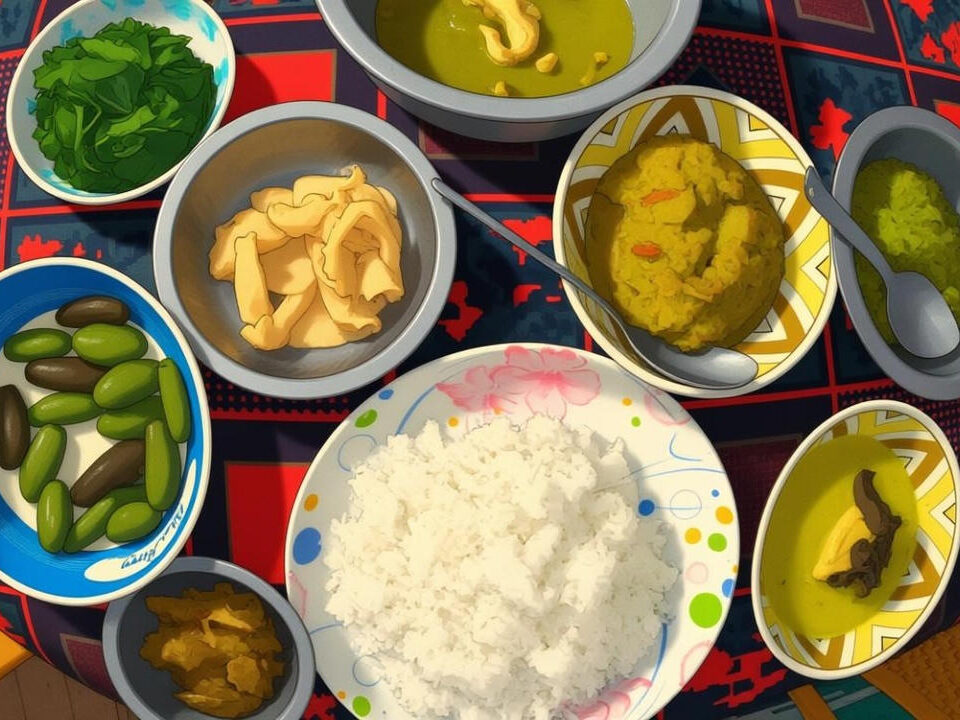
The Mro, an indigenous community of the forested hills of the Chittagong Hill Tracts (CHT), Bangladesh, possess a rich and multifaceted food culture that reflects their close relationship with the natural environment. Traditional practices of hunting, gathering, fishing, and shifting cultivation (jhum) agriculture form the foundation of their cuisine, which is shaped by ecological knowledge, seasonal cycles, and resource availability. Beyond nourishment, food serves as a medium for reinforcing social bonds, transmitting spiritual beliefs, and sustaining cultural identity. Despite external influences and pressures on traditional lifestyles, the Mro continue to preserve culinary practices that encompass both everyday meals and ritual dishes associated with festivals, harvests, and communal celebrations. This article provides a detailed account of these practices, highlighting the interplay between diet, environment, and cultural heritage within Mro society.
Subsistence Economy and Food Resources
Due to their remote settlements, the Mro have limited access to market-bought goods, relying predominantly on self-sufficient food production and forest resources. They engage in shifting cultivation (jum), hunting, gathering, and fishing, complemented by selective trading of essential goods during accessible dry seasons.
Hunting and Meat Consumption
Hunting is a cornerstone of Mro subsistence, with a wide spectrum of wild animals forming their diet, including:
Large and small mammals: wild boar, deer, monkey, civet, squirrel, and sometimes even bear and elephant (rarely).
Reptiles: pythons, vipers, and various snakes prized both for taste and ritual value.
Birds: wild chickens and various forest birds.
Small animals: turtles, rats, and frogs.
Meat is highly valued, often dried and smoked for preservation, enabling sustenance during scarcity. Preservation techniques are sophisticated, involving smoking meat on bamboo skewers over controlled fire for long-term storage.
Plant and Forest-Based Foods
The Mro gather numerous wild edible plants such as wild potatoes, yam varieties, bamboo shoots, wild mushrooms (notably the “frog’s umbrella” mushroom), and edible flowers. These plant foods provide essential nutrients and variety, reflecting deep ecological knowledge about seasonal availability and forest management.
Fishing Practices
Fishing, especially by women, plays an important seasonal role. Women fish in local streams and rivers, carrying banana leaf-wrapped rice to cook and share fresh fish communally in bamboo tubes. These activities reinforce social networks and communal harmony.
Traditional Food Preparation and Culinary Techniques
Lasuk: The Cultural Staple
Lasuk, a mashed preparation combining cooked meat or vegetables with spicy chili paste and herbs, holds central cultural significance. It is indispensable at ceremonies, social gatherings, and festive occasions. Lasuk varieties reflect diverse meat sources and complex flavor profiles.
Chiacha Sup (Fetus of Pregnant Cow): Reserved for elders and clan leaders; preparation involves boiling with turmeric, ginger, and salt, then mixing with roasted chili and fermented fish paste. Children and unmarried youths are traditionally prohibited from consumption due to beliefs about health effects.
Pakcha Sup (Fetus of Pregnant Pig): Similar to Chiacha Sup but using wild pig fetus, highlighting the importance of wild game in ritual food.
Wasup (Rooster Lasuk): Prepared from rooster meat, served on special bamboo dining tables to honor visiting guests, especially in-laws.
Ruasup and Changsup (Snake and Python Lasuk): Exotic dishes with ritual significance; snake heads are buried post-kill to prevent venom contamination, and preparation involves roasting, boiling, and mixing with chili-fermented fish paste.
Dengsup (Banana Tree Bark Lasuk): A plant-based Lasuk made from the inner bark of banana trees partially burned during shifting cultivation, combined with roasted chili and fermented fish.
Kan Pan (Thickened Meat Curry): Kan Pan is a rich, thick meat curry where ground aromatic rice powder is used as a thickening agent, imparting unique texture and flavor. This dish is ceremonially significant but governed by strict social rules during events such as weddings to maintain harmony and respect.
Orang (Bamboo Tube Cooking): Orang refers to cooking food inside bamboo tubes—a traditional technique emphasizing eco-friendly methods and flavor enhancement.
Kanrang: Vegetables steamed in bamboo.
Homrang: Special aromatic rice steamed in bamboo, often Binni or Kaun varieties. Small fish, shrimp, and crabs freshly caught during the jum season are mixed with wild spices (komhi), ginger, turmeric, and chili paste, stuffed in bamboo tubes, and steamed over fire.
Paksao Homplong Rang: A ceremonial bamboo rice dish prepared when large pigs are slaughtered during festivals. Pig fat is finely chopped and mixed with soaked binni rice, stuffed into bamboo tubes sealed with banana leaves, then roasted over charcoal fire. The cooking process is meticulously monitored to prevent burning. This dish carries social prestige and is exclusively prepared by clan elders, presented to the groom’s family during weddings with ritualized gift exchanges.
Afm and Akeu (Dried Meat and Spicy Minced Pastes): Afm is a spicy minced dried meat paste made by grinding smoked meat with roasted chili, ginger, garlic, and fermented fish paste. It incorporates a wide range of meats including beef, buffalo, squirrel, frog, crab, rat, and snake. Akeu refers to the smoked dried meat itself, preserved for long-term consumption and used in various dishes.
Fermented and Special Dishes
Several unique fermented and preserved foods characterize Mro cuisine:
Sunao: Fermented cow meat dish prepared by boiling the cow head and bones, sealing the meat in banana leaves for about a week to develop complex flavors.
Raibunsu: Fermented bamboo shoots wrapped in banana leaves and pressed under stones to induce fermentation, used to enhance the taste of meals with a distinctive aroma.
Pakriyatun: A special pig stomach dish stuffed with blood, liver, meat, fat, and spices, boiled and pierced for broth infusion, served ceremonially in age order.
Tachang: A social custom of eating meals cooked in others’ homes, reinforcing reciprocity and social bonding.
Pitha (Traditional Rice Cakes): Prepared mainly during Khāng Puja festivals twice annually, pitha are made from finely ground binni rice flour mixed with water and jaggery, shaped and cooked through frying or steaming in banana leaves.
Varieties include:
Dengwi Kom: Banana pitha wrapped in rice dough and fried in pork fat or oil.
Saka Kom: Jaggery-filled pitha fried similarly.
Kom Pong: Steamed pitha wrapped in banana leaves.
Arak (Traditional Rice Beer): Rice beer, locally known as Chulai Arak, is central to Mro social rituals. Made predominantly by women, it involves blending medicinal herb powders with ground aromatic rice dough, fermenting cakes (Muli/Towa) in sealed baskets to produce Kancho (raw beer), from which the consumable liquid Chingre is extracted. Arak is integral in ceremonies such as births, weddings, and funerals, symbolizing hospitality, respect, and social cohesion.
Social and Ritual Importance of Food
Food practices among the Mro extend beyond nutrition into the realms of social identity, hierarchy, and spiritual life. Ceremonial foods are laden with symbolic meanings, and their preparation often involves designated individuals according to clan and age roles. Sharing food and drink during social visits, religious observances, and rites of passage fosters solidarity and reaffirms cultural continuity.
The Mro’s traditional food culture exemplifies a resilient and dynamic indigenous heritage, wherein culinary knowledge, ecological stewardship, and social rituals converge. Understanding and documenting these practices is vital for the preservation of the Mro’s cultural identity and for advocating their rights to maintain traditional food sovereignty amid ongoing environmental and social changes.
অরণ্যের স্বাদ: ম্রো জনগোষ্ঠীর খাদ্য ঐতিহ্য
চট্টগ্রাম পার্বত্য অঞ্চলের বনভূমি ও পাহাড়ঘেরা প্রান্তরে বসবাসকারী ম্রো জনগোষ্ঠী এক সমৃদ্ধ ও বহুস্তরীয় খাদ্যসংস্কৃতির ধারক, যা প্রকৃতির সঙ্গে তাদের গভীর সম্পর্ককে প্রতিফলিত করে। শিকার, সংগ্রহ, মাছধরা এবং জুমচাষের প্রথা—এই চারটি উপাদানই ম্রো খাদ্যব্যবস্থার ভিত্তি গঠন করেছে। তাদের খাদ্য কেবল পুষ্টির উৎস নয়, বরং সামাজিক বন্ধন মজবুত করা, আধ্যাত্মিক বিশ্বাস স্থানান্তর করা এবং সাংস্কৃতিক পরিচয় টিকিয়ে রাখার এক মাধ্যম। বহিরাগত প্রভাব ও আধুনিকতার চাপ সত্ত্বেও ম্রোরা আজও তাদের ঐতিহ্যবাহী রান্নার রীতিনীতিকে সংরক্ষণ করে চলেছেন, যা দৈনন্দিন আহারের পাশাপাশি উৎসব, ফসল তোলা এবং সাম্প্রদায়িক আনন্দ-অনুষ্ঠানের অবিচ্ছেদ্য অংশ। এই প্রবন্ধে ম্রো খাদ্যসংস্কৃতির বিস্তারিত চিত্র তুলে ধরা হয়েছে—যেখানে খাদ্য, পরিবেশ এবং সংস্কৃতি একে অপরের সঙ্গে নিবিড়ভাবে যুক্ত।
জীবিকা ও খাদ্যসম্পদ
দূরবর্তী পাহাড়ি অঞ্চলে বসবাসের কারণে ম্রোদের বাজারনির্ভর পণ্যের প্রাপ্যতা সীমিত। তারা প্রধানত জুমচাষ, শিকার, সংগ্রহ ও মাছধরার মাধ্যমে খাদ্য সংগ্রহ করে এবং শুকনো মৌসুমে কিছু প্রয়োজনীয় পণ্য স্থানীয় বাণিজ্যের মাধ্যমে সংগ্রহ করে।
শিকার ও মাংসভোজন
শিকার ম্রোদের জীবিকার অন্যতম প্রধান ভিত্তি। তাদের খাদ্যতালিকায় নানা প্রকার বন্যপ্রাণী অন্তর্ভুক্ত—
- বৃহৎ ও ক্ষুদ্র স্তন্যপায়ী প্রাণী: বন্য শূকর, হরিণ, বানর, গন্ধগোকুল, কাঠবিড়ালি, এবং বিরলভাবে ভাল্লুক বা হাতি।
- সরীসৃপ: অজগর, বিষধর সাপসহ বিভিন্ন প্রজাতির সাপ, যা খাদ্য ও আচার—দুই দিক থেকেই গুরুত্বপূর্ণ।
- পাখি: বুনো মুরগি ও অন্যান্য বনজ পাখি।
- ক্ষুদ্র প্রাণী: কচ্ছপ, ইঁদুর, ব্যাঙ ইত্যাদি।
মাংস তাদের খাদ্যে অত্যন্ত মূল্যবান উপাদান। সংরক্ষণের জন্য তারা মাংস শুকিয়ে ও ধোঁয়া দিয়ে সংরক্ষণ করে—যা খাদ্যাভাবের সময় কার্যকরভাবে টিকে থাকতে সাহায্য করে। মাংস সংরক্ষণের এই কৌশল অত্যন্ত নিখুঁত, যেখানে বাঁশের কাঠিতে মাংস গেঁথে ধোঁয়া দিয়ে শুকানো হয়।
বনজ উদ্ভিদ ও উদ্ভিদভিত্তিক খাদ্য
ম্রোরা খাদ্যের জন্য বিভিন্ন প্রকার বন্য উদ্ভিদ সংগ্রহ করে—যেমন বুনো আলু, নানা প্রজাতির কচু ও মিষ্টিআলু, বাঁশের কোড়ল, বুনো মাশরুম (বিশেষ করে “ব্যাঙের ছাতা” মাশরুম), এবং খাওয়া যায় এমন ফুল। এসব বনজ খাদ্য তাদের পুষ্টির ভারসাম্য রক্ষা করে এবং মৌসুমি পরিবর্তনের সঙ্গে খাপ খাওয়ানো এক প্রাকৃতিক জ্ঞানকে প্রতিফলিত করে।
মাছধরা
মাছধরা, বিশেষত নারীদের অংশগ্রহণে, মৌসুমি খাদ্যসংগ্রহের একটি গুরুত্বপূর্ণ দিক। নারীরা প্রায়ই স্থানীয় ঝরনা ও নদীতে মাছ ধরে এবং সঙ্গে করে কলাপাতায় মোড়ানো ভাত নিয়ে যায়—যাতে তাৎক্ষণিকভাবে রান্না করে সবাই একত্রে খেতে পারে। এই সম্মিলিত ভোজন সামাজিক ঐক্য ও সহযোগিতার প্রতীক।
ঐতিহ্যবাহী রান্না ও প্রস্তুত প্রণালী
লাসুক: সাংস্কৃতিক মূল খাদ্য
‘লাসুক’ ম্রো সমাজের অন্যতম প্রধান খাবার। এটি সিদ্ধ মাংস বা সবজি মিশিয়ে লঙ্কা, মশলা ও গুল্মজাতীয় ভেষজ দিয়ে তৈরি করা একধরনের মাখানো পদ। প্রায় সব অনুষ্ঠান, উৎসব ও সামাজিক ভোজে লাসুক অপরিহার্য। লাসুকের ধরন বৈচিত্র্যময়—প্রাণীর ধরন ও মশলার ঘনত্ব অনুসারে এর স্বাদ ও গন্ধে ভিন্নতা আসে।
- চিয়াচা সূপ (গাভীর গর্ভজাত ভ্রূণ): প্রবীণ ও গোত্রনেতাদের জন্য নির্দিষ্ট। হলুদ, আদা ও লবণ দিয়ে সেদ্ধ করে ভাজা লঙ্কা ও চর্বিত মাছের পেস্ট মেশানো হয়। শিশু ও অবিবাহিতদের জন্য এটি নিষিদ্ধ, কারণ বিশ্বাস করা হয় এটি তাদের স্বাস্থ্যে প্রভাব ফেলে।
- পাকচা সূপ (বন্য শূকরের গর্ভজাত ভ্রূণ): চিয়াচা সূপের অনুরূপ, তবে বন্য শূকর ব্যবহৃত হয়। শিকারকৃত প্রাণীর ধর্মীয় গুরুত্ব এতে প্রতিফলিত।
- ওয়াসুপ (মোরগের লাসুক): অতিথি, বিশেষত শ্বশুরবাড়ির সদস্যদের আপ্যায়নের জন্য বাঁশের বিশেষ পাত্রে পরিবেশন করা হয়।
- রুয়াসুপ ও চাংসু (সাপ ও অজগরের লাসুক): আচারগতভাবে গুরুত্বপূর্ণ। সাপ মারা হলে মাথা পুঁতে ফেলা হয়, যাতে বিষের প্রভাব না থাকে। এরপর ভাজা ও সেদ্ধ করে লঙ্কা-চর্বিত মাছের পেস্টের সঙ্গে মেশানো হয়।
- দেংসুপ (কলা গাছের ছাল লাসুক): জুমচাষে পুড়ে যাওয়া কলাগাছের নরম ছাল সংগ্রহ করে ভাজা লঙ্কা ও মাছের পেস্ট দিয়ে তৈরি করা হয়।
- কান প্যান (ঘন মাংসের ঝোল): ঘন মাংসের তরকারি, যেখানে গুঁড়ো চাল ব্যবহার করে ঝোল ঘন করা হয়। এটি বিবাহসহ বিভিন্ন সামাজিক অনুষ্ঠানে বিশেষভাবে পরিবেশন করা হয় এবং কঠোর সামাজিক বিধি মানা হয় এর প্রস্তুতিতে।
বাঁশে রান্না
ওরাং হলো বাঁশের নল ব্যবহার করে রান্না করার ঐতিহ্যবাহী কৌশল, যা পরিবেশবান্ধব এবং স্বাদে ভরপুর।
- কানরাং: বাঁশে ভাপানো সবজি।
- হোমরাং: সুগন্ধি ধান (বিন্নি বা কাউন) দিয়ে বাঁশে ভাপানো বিশেষ ভাত। কখনও এতে ছোট মাছ, চিংড়ি বা কাঁকড়া মিশিয়ে ঝালমশলা দিয়ে রান্না করা হয়।
- পাকসাও হমপ্লং রাং: উৎসবের সময় যখন বড় শূকর জবাই করা হয়, তখন প্রস্তুত করা হয়। সূক্ষ্ম কাটা শূকরের চর্বি বিন্নি চালের সঙ্গে মিশিয়ে বাঁশে ভরে কলাপাতায় মুখ বন্ধ করে কয়লার আগুনে পুড়িয়ে রান্না করা হয়। এটি অত্যন্ত মর্যাদাপূর্ণ খাবার, যা কেবল প্রবীণরা প্রস্তুত করেন এবং বিবাহ অনুষ্ঠানে বরপক্ষকে উপহার হিসেবে দেওয়া হয়।
শুকনো মাংস ও মশলাপূর্ণ পেস্ট
আফম হলো মশলাযুক্ত শুকনো মাংসের পেস্ট—ধোঁয়ায় শুকানো মাংস পিষে লঙ্কা, আদা, রসুন ও মাছের পেস্ট মিশিয়ে তৈরি করা হয়। আকেউ হলো সেই ধোঁয়ায় শুকানো মাংস, যা দীর্ঘদিন সংরক্ষণের উপযোগী।
গাঁজানো ও বিশেষ পদ
ম্রো রান্নায় বিভিন্ন প্রকারের গাঁজানো খাবার বিশেষ স্থান দখল করে আছে—
- সুনাও: গরুর মাথা ও হাড় সেদ্ধ করে কলাপাতায় মুড়ে এক সপ্তাহ রেখে দেওয়া হয়, এতে মাংসে এক বিশেষ গন্ধ ও স্বাদ তৈরি হয়।
- রাইবুনসু: বাঁশের কোড়ল কলাপাতায় মুড়ে পাথরের নিচে চেপে রেখে গাঁজানো হয়। এটি খাবারে একটি অনন্য সুবাস যোগ করে।
- পাকরিয়াতুন: শূকরের পেট ভরে রক্ত, যকৃত, চর্বি, মাংস ও মশলা দিয়ে সেদ্ধ করা হয়; এরপর কেটে পরিবেশন করা হয়, সাধারণত প্রবীণদের আগে পরিবেশন করা হয়।
- তাচাং: একে অপরের ঘরে রান্না করা খাবার ভাগাভাগি করে খাওয়ার সামাজিক প্রথা, যা পারস্পরিক বন্ধনকে শক্তিশালী করে।
পিঠা
ম্রোরা বছরে দু’বার খাং পূজা উৎসবে পিঠা তৈরি করে। বিন্নি চাল গুঁড়ো করে গুড় ও পানির সঙ্গে মিশিয়ে কলাপাতায় ভাপে বা তেলে ভেজে তৈরি করা হয়।
পিঠার ধরনগুলোর মধ্যে আছে—
- দেংউই কম: কলা মিশিয়ে তেলে বা শূকরের চর্বিতে ভাজা পিঠা।
- সাকা কম: গুড় ভরা পিঠা, ভাজা হয় তেলে।
- কম পং: কলাপাতায় মোড়ানো ভাপে রান্না করা পিঠা।
আরাক (চুলাই মদ)
‘চুলাই আরাক’ ম্রো সমাজের সামাজিক ও ধর্মীয় জীবনের কেন্দ্রে অবস্থান করে। এটি মূলত নারীরা তৈরি করে। সুগন্ধি চাল পিষে তাতে ঔষধি গুঁড়ো মিশিয়ে ‘মুলি’ বা ‘তোয়া’ নামের ফারমেন্টেশন কেক তৈরি করা হয়। এগুলো ঝুড়িতে ঢেকে রেখে কাঁচা মদ ‘কাঞ্চো’ তৈরি করা হয়, যার থেকে তরল অংশ ‘ছিংরে’ পান করা হয়। জন্ম, বিবাহ ও অন্ত্যেষ্টিক্রিয়ার মতো প্রতিটি সামাজিক অনুষ্ঠানে আরাক অতিথিপরায়ণতা, সম্মান ও ঐক্যের প্রতীক।
সামাজিক ও ধর্মীয় গুরুত্ব
ম্রোদের খাদ্য শুধুমাত্র আহারের বিষয় নয়—এটি তাদের সামাজিক পরিচয়, শ্রেণিবিন্যাস এবং আধ্যাত্মিক বিশ্বাসের প্রতিফলন। অনুষ্ঠানিক খাবার প্রস্তুতিতে বয়স, গোত্র ও সামাজিক মর্যাদানুযায়ী নির্দিষ্ট ভূমিকা থাকে। অতিথি আপ্যায়ন, উৎসব কিংবা ধর্মীয় আচার—সব ক্ষেত্রেই খাদ্য ভাগাভাগি করা সামাজিক ঐক্য ও সাংস্কৃতিক ধারাবাহিকতার প্রতীক।
ম্রোদের খাদ্যসংস্কৃতি এক টিকে থাকা ও অভিযোজনের কাহিনি—যেখানে রান্নার কৌশল, পরিবেশের প্রতি শ্রদ্ধা, এবং সামাজিক সম্পর্ক এক সূত্রে গাঁথা। এই ঐতিহ্যকে নথিভুক্ত ও সংরক্ষণ করা জরুরি—শুধু সাংস্কৃতিক ঐতিহ্য রক্ষার জন্য নয়, বরং তাদের খাদ্য-স্বাধিকার ও প্রাকৃতিক জীবনের অধিকারের স্বীকৃতির জন্যও।