
Indigenous Language Notice
This material was documented through engagement with Mro oral and written traditions.
While standardized scripts and knowledgeable language practitioners do exist, producing accurate, verified transcriptions requires trained contributors, time, and fair compensation. At this self-funded stage of the project, it has not been possible to undertake this work responsibly.
Roots and Rights Collective is committed to developing properly resourced, community-led, and consent-based transcription and archiving of indigenous languages in future phases of this initiative.
Crafted by Nature: The traditional Handicrafts and Household Artifacts of the Mro
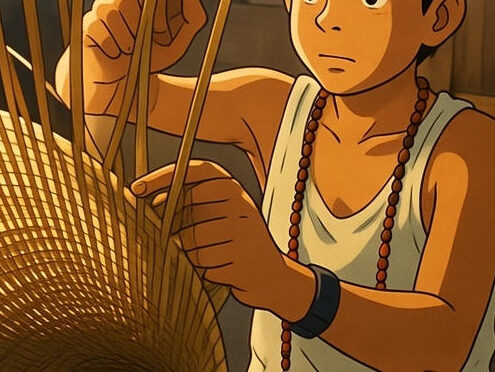
In the deeply forested hills of Bandarban, the Mro people have nurtured a self-reliant way of life where art, utility, and nature converge seamlessly. Among the Mro, handicrafts are not merely aesthetic pursuits but an organic part of social customs, survival, and everyday functionality. These traditional crafts, primarily made from bamboo, wood, cane, and other forest resources, are vital to understanding the material culture and indigenous knowledge systems of the Mro community.
Mro Handicrafts and Their Cultural Significance
The Mro’s traditional craftsmanship has evolved over generations, rooted in the surrounding natural environment. Lacking access to industrial materials or urban infrastructure, the Mro have perfected techniques to transform bamboo, cane, and wood into robust, multifunctional household objects. These crafts reflect an ecological awareness, scientific ingenuity, and a deep respect for ancestral knowledge.
Some of the most notable Mro crafts include:
Em: The Utility Basket of Men
The Em is a durable, strap-carried bamboo basket primarily used by Mro men to transport items across mountainous terrain. Crafted from mitingya bamboo, it is built for strength rather than ornamentation. Despite its simple appearance, its ergonomic design reflects a highly practical engineering sense suited to rugged topography.
Tom (Thurong): Women’s Carry Basket
Used by women, the Thom is a larger version of the Em, traditionally used for collecting water, carrying harvested crops, or transporting firewood. It comes in two types:
Paar: An open-weave basket used for general utility.
Maan: A finely woven, decorative version used for special occasions like carrying grains from the field.
Khongtom: The Traditional Storage Chest
A double-layered lidded basket used in place of wooden chests or metal boxes, Khongtham is essential for storing valuables such as jewelry, clothes, and documents. It is especially significant during weddings, where the bride receives one filled with handmade gifts. Its layered design and use of kuruk leaves ensure protection from air and moisture.
Tong: Traditional Measuring Basket (Ari)
Made entirely of cane, the Tong serves as a local unit for measuring grains (one Ari equals 16 seers). It is widely used not just among the Mro but also by Bengali settlers, demonstrating its cultural diffusion.
Buttothung: Seed Storage Basket
A triangular, moisture-regulated basket designed for storing seeds. Its unique shape ensures proper air flow and moisture balance, preserving seeds for future cultivation.
Poitang: Honor Table
A small, cane-crafted table used for serving meals to tribal elders, religious leaders, and special guests. It is seen as a symbol of respect and social prestige.
Wap’m: Chicken Coop
A lightweight, well-ventilated bamboo coop designed to transport live chickens over long distances, ensuring their comfort and survival. It is also used to store household items.
Mancha: Ceremonial Basket
A special version of the Thurong used exclusively when a bride returns to her parents’ house after marriage. It holds symbolic importance and is considered a cultural heirloom.
Bai (Toloi): Multipurpose Bamboo Mat
A mat woven from smooth bamboo strips, used for drying grains or seating guests. It holds both domestic and commercial value and is popular in local markets.
Klaipuk: Decorative Measuring Basket
Used for both measuring and storing items such as rice or sesame seeds. Its colorful, carved body adds aesthetic value to its functional role.
Emkhong: Miniature Storage Basket
A compact version of the Khongtom, intricately decorated and used to store jewelry and ornaments. It often features reinforced lids with rings tied using bark-fiber cords.
Per (Chalon): Winnowing Tray
Made from finely split bamboo, the Per is used for cleaning and separating husks from grains during the milling process. Found in every household, it comes in round or rectangular forms.
Yong / Lung: Large Storage Baskets
Yong is used for storing paddy.
Lung, a larger variant, is used for preserving cotton.
These large baskets are crafted from moli bamboo and reflect long-term storage needs.
Paksuk: Decorative Utility Box
A colorfully patterned bamboo box used mostly by Mro youths to store ornaments and personal accessories. Among women, it also serves as a kind of makeup or vanity box.
Khaam: Multi-use Tray
A shallow, round bamboo tray used to sun-dry items like chilies or cotton. It also functions as a serving platter during household events, especially when lined with banana leaves.
Mro handicrafts stand as powerful testimonies to an enduring indigenous lifestyle adapted to forest ecologies. Each crafted item not only fulfills a practical purpose but also carries embedded knowledge, ritual value, and symbolic meaning. These artifacts reveal the ingenuity of a community that has lived in harmony with nature, innovating without severing ties with tradition. At a time when modern industry often undermines such organic practices, Mro craftsmanship offers an alternative vision — one where culture, utility, and sustainability coexist.
প্রকৃতির শিল্প: ম্রো জনগোষ্ঠীর ঐতিহ্যবাহী হস্তশিল্প ও গৃহস্থালি উপকরণ
বান্দরবানের গভীর অরণ্যের পাহাড়ি ঢালে বসবাসরত ম্রো জনগোষ্ঠী এমন এক স্বনির্ভর জীবনযাত্রা গড়ে তুলেছে, যেখানে প্রকৃতি, নৈপুণ্য ও প্রয়োজন অবিচ্ছেদ্যভাবে জড়িত। ম্রো সমাজে হস্তশিল্প কেবল নান্দনিক সৃষ্টির মাধ্যম নয়—এটি তাদের সামাজিক রীতি, জীবিকা ও দৈনন্দিন জীবনের অবিচ্ছেদ্য অংশ। বাঁশ, কাঠ, বেত এবং অন্যান্য বনজ উপাদান দিয়ে নির্মিত এই ঐতিহ্যবাহী কারুশিল্প ম্রোদের বস্তুসংস্কৃতি ও স্থানীয় জ্ঞানব্যবস্থাকে গভীরভাবে প্রতিফলিত করে।
ম্রো হস্তশিল্প ও তার সাংস্কৃতিক তাৎপর্য
ম্রোদের ঐতিহ্যবাহী কারুশিল্প প্রজন্মের পর প্রজন্ম ধরে বিকশিত হয়েছে, প্রকৃতির সঙ্গে নিবিড় সম্পর্কের ভিত্তিতে। শিল্পজাত কাঁচামাল বা নগরায়িত পরিকাঠামোর অভাবে, তারা বাঁশ, বেত ও কাঠকে দক্ষতার সঙ্গে রূপ দিয়েছে টেকসই, বহুমুখী গৃহস্থালি সামগ্রীতে। এই শিল্পকর্ম শুধু কার্যকারিতা নয়—বরং প্রকৃতিবোধ, বিজ্ঞানসম্মত নকশা ও পূর্বপুরুষের জ্ঞানপ্রজ্ঞার সম্মিলিত প্রতিফলন।
উল্লেখযোগ্য ম্রো হস্তশিল্পসমূহ
এম: পুরুষদের কর্মঝুড়ি
‘এম’ হলো টেকসই, কাঁধে ঝোলানো বাঁশের ঝুড়ি, যা মূলত পুরুষরা পাহাড়ি পথে মালপত্র বহনের জন্য ব্যবহার করে। এটি সাধারণত ‘মিতিংগ্যা’ বাঁশ দিয়ে তৈরি হয়। বাহ্যিকভাবে সরল হলেও, এর গঠন অত্যন্ত কার্যকরী ও আরামদায়ক—কঠিন ভূপ্রকৃতির উপযোগী এক প্রায়োগিক নকশা।
থোম: নারীদের বহনঝুড়ি
‘থোম’ নারীদের ব্যবহৃত বড় আকারের ঝুড়ি, যা পানি আনা, ফসল বহন বা জ্বালানি কাঠ পরিবহনে কাজে লাগে। এর দুটি ধরন আছে—
- পার: খোলা বুননের সাধারণ ঝুড়ি।
- মান: সূক্ষ্মভাবে বোনা ও অলংকৃত সংস্করণ, বিশেষ উপলক্ষে ব্যবহৃত হয়।
খোংথম: ঐতিহ্যবাহী সংরক্ষণ ঝুড়ি
দুই স্তর বিশিষ্ট ঢাকনাযুক্ত ঝুড়ি, যা কাঠের বা ধাতব সিন্দুকের বিকল্প হিসেবে ব্যবহৃত হয়। পোশাক, গয়না ও মূল্যবান নথি সংরক্ষণে এটি অপরিহার্য। বিবাহ অনুষ্ঠানে কনেকে উপহার হিসেবে এমন একটি ঝুড়ি দেওয়া হয়, যার ভেতরে থাকে হাতের তৈরি উপহার। ‘কুরুক’ পাতার আস্তরণ একে আর্দ্রতা ও বাতাস থেকে সুরক্ষিত রাখে।
টং: ঐতিহ্যবাহী পরিমাপক ঝুড়ি (আড়ি)
সম্পূর্ণ বেত দিয়ে তৈরি এই ঝুড়ি ধান বা শস্য পরিমাপের স্থানীয় একক হিসেবে ব্যবহৃত হয় (এক আড়ি প্রায় ১৬ সেরের সমান)। ম্রো সমাজের বাইরেও বাঙালি বসতিদের মধ্যে এটি ব্যবহৃত হয়—যা সাংস্কৃতিক মেলবন্ধনের এক চিহ্ন।
বুত্থোথুং: বীজ সংরক্ষণ ঝুড়ি
ত্রিভুজাকৃতি এই ঝুড়ি বীজ সংরক্ষণের জন্য ব্যবহৃত হয়। এর বিশেষ নকশা বাতাস চলাচল ও আর্দ্রতার ভারসাম্য রক্ষা করে, ফলে বীজ দীর্ঘদিন টিকে থাকে।
পোইতাং: সম্মান টেবিল
বেতের তৈরি ছোট টেবিল, যা বয়োজ্যেষ্ঠ, ধর্মীয় নেতা বা অতিথিদের খাবার পরিবেশনের জন্য ব্যবহৃত হয়। এটি মর্যাদা ও সম্মানের প্রতীক হিসেবে বিবেচিত।
ওয়াপ’ম: মুরগির খাঁচা
হালকা, বাতাস চলাচলযোগ্য বাঁশের খাঁচা, যা জীবিত মুরগি দূরপথে বহনের জন্য ব্যবহৃত হয়। কখনও এটি গৃহস্থালি জিনিস রাখার জন্যও ব্যবহৃত হয়।
মান্চা: আনুষ্ঠানিক ঝুড়ি
বিবাহের পর কন্যা যখন পিতৃগৃহে ফিরে আসে, তখন বিশেষভাবে ব্যবহৃত হয় এই ঝুড়ি। এটি প্রতীকী ও উত্তরাধিকারের নিদর্শন হিসেবে গণ্য।
বাই: বহুমুখী বাঁশের চাটাই
মসৃণ বাঁশের ফালি দিয়ে বোনা এই চাটাই শস্য শুকানো, অতিথি বসানোসহ নানা কাজে লাগে। এটি গৃহস্থালি ও বাণিজ্যিক উভয় ক্ষেত্রেই মূল্যবান এবং স্থানীয় বাজারে জনপ্রিয়।
ক্লাইপুক: শোভাময় পরিমাপক ঝুড়ি
ধান, তিল বা চাল মাপা ও সংরক্ষণের কাজে ব্যবহৃত হয়। রঙিন ও খোদাই করা বাহ্যিক নকশা এর কার্যকারিতার পাশাপাশি নান্দনিক সৌন্দর্যও বৃদ্ধি করে।
এমখোং: ক্ষুদ্র সংরক্ষণ ঝুড়ি
‘খোংথম’-এর ছোট সংস্করণ, যা গয়না বা অলংকার রাখার জন্য ব্যবহৃত হয়। এর ঢাকনায় প্রায়ই বাকল তন্তু দিয়ে তৈরি দড়ি বা রিং বাঁধা থাকে, যা শৈল্পিক ও টেকসই উভয়ই।
পের: চালন বা চাল পরিষ্কার করার ট্রে
পাতলা ফালি বাঁশ দিয়ে তৈরি এই চালনায় শস্য থেকে ভূষি বা অমিশ্রণ আলাদা করা হয়। এটি প্রতিটি ম্রো পরিবারের অপরিহার্য গৃহস্থালি উপকরণ, এবং গোল বা চতুর্ভুজ উভয় আকারেই তৈরি হয়।
ইয়ং / লুং: বৃহৎ সংরক্ষণ ঝুড়ি
‘ইয়ং’ ধান সংরক্ষণের জন্য ব্যবহৃত হয়, আর ‘লুং’ তুলা রাখার জন্য। ‘মোলি’ বাঁশ দিয়ে তৈরি এই ঝুড়িগুলো দীর্ঘমেয়াদি সংরক্ষণের জন্য বিশেষভাবে উপযোগী।
পাকসুক: অলংকৃত ব্যবহারিক বাক্স
রঙিন নকশাযুক্ত বাঁশের বাক্স, যা যুবকরা অলংকার ও ব্যক্তিগত জিনিস রাখার জন্য ব্যবহার করে। নারীদের মধ্যে এটি প্রায়ই প্রসাধন বা সাজসজ্জার বাক্স হিসেবেও ব্যবহৃত হয়।
খাম: বহুমুখী ট্রে
চ্যাপ্টা, গোলাকৃতি বাঁশের ট্রে, যা মরিচ, তুলা বা অন্যান্য দ্রব্য রোদে শুকানোর জন্য ব্যবহৃত হয়। বিশেষ অনুষ্ঠানেও এটি কলাপাতা বিছিয়ে পরিবেশন পাত্র হিসেবে ব্যবহৃত হয়।
ম্রো হস্তশিল্প তাদের প্রকৃতিনির্ভর জীবনের এক জীবন্ত সাক্ষ্য। প্রতিটি সামগ্রী কেবল দৈনন্দিন প্রয়োজন মেটায় না—এতে নিহিত থাকে প্রজন্মান্তরের জ্ঞান, আচার-অনুষ্ঠানের তাৎপর্য এবং গভীর প্রতীকী অর্থ। এই শিল্পকর্ম ম্রো জনগোষ্ঠীর সৃষ্টিশীলতা ও প্রকৃতির সঙ্গে তাদের সঙ্গতিপূর্ণ সম্পর্ককে উদ্ভাসিত করে। এমন এক সময়ে, যখন আধুনিক শিল্পপ্রবণতা এই প্রাকৃতিক কারুশিল্পকে বিপন্ন করছে, ম্রোদের হস্তশিল্প আমাদের দেখায় এক বিকল্প দৃষ্টি—যেখানে সংস্কৃতি, প্রয়োগিকতা ও টেকসই জীবনযাপন একত্রে বিকশিত হতে পারে।