
Indigenous Language Notice
This material was documented through engagement with Mro oral and written traditions.
While standardized scripts and knowledgeable language practitioners do exist, producing accurate, verified transcriptions requires trained contributors, time, and fair compensation. At this self-funded stage of the project, it has not been possible to undertake this work responsibly.
Roots and Rights Collective is committed to developing properly resourced, community-led, and consent-based transcription and archiving of indigenous languages in future phases of this initiative.
Sounds of the Hills: Traditional Musical Instruments of the Mro
Traditional music and ritual performances are at the heart of Mro cultural life. Whether in festivals, marriages, death rites, or agricultural celebrations, a wide range of indigenous musical instruments accompanies the rhythms of their existence. Most of these instruments are handcrafted by Mro artisans using locally available materials like bamboo, gourds, animal hide, and wood. Their creation, repair, and performance are deeply embedded in local knowledge systems and spiritual worldviews.
Among the Mro, musical instruments are not just tools of entertainment — they are vessels of myth, memory, and collective identity. Below is a catalog of key instruments, along with their cultural significance and modes of usage.
Plung (Bamboo Flute)
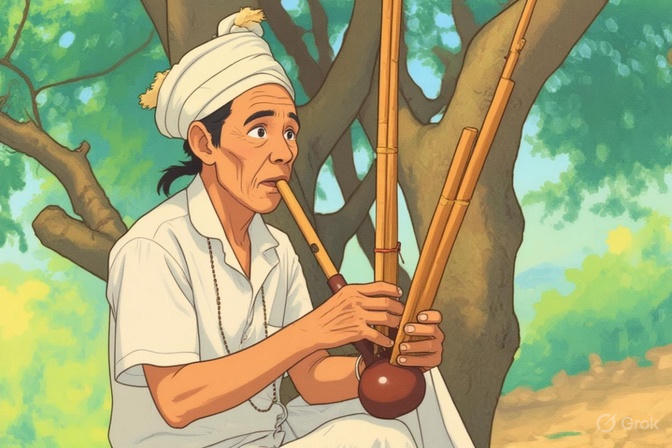
The most iconic and essential instrument in Mro society, the Plung is used during ritual dances, particularly in buffalo sacrifice ceremonies. A variant called Rina Plung is played during musical gatherings.
Plung is constructed from dolu bamboo and the bark of the Sanku tree (a palm-like plant). The bark is dried and carved into a thin reed, similar to a harmonium reed, and inserted into a bamboo tube sealed with beeswax. The assembly is housed inside a dried gourd. Blowing air into the gourd causes the reed to vibrate, creating sound. Making a plung is a specialized skill; not everyone is permitted or capable of making it.
Plai Plung (Dance Flute Set)
Used exclusively during buffalo sacrifice dances, this ensemble consists of 20–25 flutes played in unison to produce resonant, forest-filling rhythms. The coordinated performance sets the beat for group dances, usually performed by Mro women.
Rina Plung (Cholera Flute)
This instrument has a mythical origin tied to a cholera epidemic during World War II. According to legend, a young man named Ringklang, who died of cholera, was revived while being carried to the cremation ground. He described a vision where he boarded a celestial ship full of youths in white garments who taught him to play a mysterious flute. Upon returning to life, he crafted that flute — the Rina Plung.
Rina means cholera; Plung means flute. It is played during musical gatherings, especially by young people during joyful moments.
Tam Ma (Drum)
The Mro drum, Tam Ma, is carved from a single log and hollowed at both ends. Animal skin is stretched and fastened over the openings to produce deep, resonant beats. It is essential for rhythm in group performances.
Purui (Melodic Bamboo Flute)
Made from dolu bamboo, this long flute features seven holes — one near the mouthpiece and six along the body — allowing the player to create melodic variations. Beeswax is used to seal specific chambers for tonal control.
Tu’ (Funeral or Sacrificial Flute)
This rare flute is only played during deaths or sacrificial rites. It is reserved for elders, shamans, and community leaders, and carries a sacred sound structure unknown to ordinary people.
Constructed from dolu bamboo and gourd, the Tu’ flute is designed with a central reed and side air holes, sealed and reinforced with beeswax. It is considered a channel for communicating warnings or conveying the soul to the afterlife.
Tum Plung (Field Flute)
This flute is played in jhum (shifting) agricultural fields, especially when the first signs of harvest appear. Families move to their tong ghar (field huts), and the hills resonate with Tum Plung sounds. It is also used during hunting festivals, where hunters play the flute during Chaklu Plai, a dance commemorating successful hunts.
Made from muli bamboo, its diagonal mouth-cut allows airflow and sound generation.
Ting Teng (String Idiophone)
Ting Teng is a plucked instrument made by slicing the middle of a mitingya bamboo segment to create six string-like slivers (resembling the strings of a monochord). Often played with the Rina Pung and Tri (violin) during performances.
Sok Cha (Cymbals)
Sok Cha is a handheld metal shaker or cymbal made of brass or bronze. Though not locally made, it is integral to buffalo sacrifice dances, where it adds percussive energy alongside flutes and drums.
Ner (Brass Plates)
Ner are three brass plates, typically bought from local markets, chosen specifically for their tonal harmony. Not all plates are suitable — their sound is tested before selection.
Each plate is fitted with a string and played by striking with a Kaiym — a stick with a cloth-wrapped head resembling garlic. These plates are sometimes also used as ceremonial serving dishes during ritual feasts, and households owning them are highly respected.
Mong (Bronze Bell)
A bronze handbell found across many indigenous communities. In Mro culture, it is used during various social and spiritual gatherings, often complementing other instruments.
Trau (Mro Violin)
The Trau, is a violin-like string instrument made from Gamari wood and the skin of monitor lizards. It is shaped like a coconut shell and adorned with carved animal heads (rooster, pheasant, drongo). Two brass or copper strings are stretched across its body and played using a bamboo bow.
The Trau is considered highly romantic and emotive — often used by young men to attract women. Its haunting melody, especially when played under the moonlight alongside the Rina Plung, gathers crowds and creates a magnetic atmosphere.
The musical instruments of the Mro are not merely artistic artifacts — they are living symbols of spiritual memory, ecological knowledge, and social structure. From cholera legends to hunting rituals, each instrument holds a piece of Mro history, reverberating across generations. Their preservation is not only about sound, but also about sustaining identity and resisting erasure.
পাহাড়ের সুর: ম্রো জনগোষ্ঠীর ঐতিহ্যবাহী বাদ্যযন্ত্র
ম্রো সংস্কৃতিতে সংগীত ও আচারিক পরিবেশনা জীবনের কেন্দ্রস্থল। উৎসব, বিবাহ, অন্ত্যেষ্টিক্রিয়া কিংবা কৃষি-আনন্দ—প্রতিটি সামাজিক উপলক্ষে তাদের নিজস্ব বাদ্যযন্ত্রের সুর বাজে পাহাড়ের বাতাসে। এই যন্ত্রগুলোর অধিকাংশই স্থানীয় কারিগরদের হাতে তৈরি, যেখানে বাঁশ, লাউ, কাঠ, পশুর চামড়া ও প্রাকৃতিক উপাদান ব্যবহার করা হয়। বাদ্যযন্ত্র নির্মাণ, মেরামত ও পরিবেশন—সবই স্থানীয় জ্ঞানব্যবস্থা ও আধ্যাত্মিক বিশ্বাসের সঙ্গে ওতপ্রোতভাবে জড়িত।
ম্রোদের কাছে বাদ্যযন্ত্র কেবল বিনোদনের উপকরণ নয়—এগুলো হলো পুরাণ, স্মৃতি ও সামষ্টিক পরিচয়ের বাহক। নিচে তাদের প্রধান বাদ্যযন্ত্রগুলোর বিবরণ, নির্মাণপ্রণালী ও সাংস্কৃতিক তাৎপর্য তুলে ধরা হলো।
প্লুং (বাঁশের বাঁশি)
ম্রো সমাজের সবচেয়ে গুরুত্বপূর্ণ ও পরিচিত বাদ্যযন্ত্র হলো প্লুং। এটি বিশেষত মহিষ উৎসর্গের নৃত্যানুষ্ঠানে ব্যবহৃত হয়। এর একটি ভিন্ন রূপ রিনা প্লুং, যা সংগীতানুষ্ঠানে বাজানো হয়।
প্লুং তৈরি হয় ডলু বাঁশ ও সাংকু গাছের বাকল (একটি তালজাতীয় উদ্ভিদ) দিয়ে। বাকল শুকিয়ে সরু পাতের মতো রিড তৈরি করা হয়—হরমোনিয়ামের রিডের মতো—যা বাঁশের নলে বসিয়ে মৌচাকের মোম দিয়ে সিল করা হয়। পুরো কাঠামোটি পরে শুকনো লাউয়ের খোলের ভেতরে বসানো হয়। লাউয়ের মুখে ফুঁ দিলে রিড কাঁপে, এবং সুর বের হয়। প্লুং তৈরি করা এক বিশেষ দক্ষতা; সবাই তা বানাতে পারে না, বরং এটি কিছু নির্দিষ্ট ব্যক্তির আধ্যাত্মিক দায়িত্ব হিসেবে বিবেচিত।
প্লাই প্লুং (নৃত্যবাঁশির সেট)
শুধুমাত্র মহিষ উৎসর্গের নৃত্যে ব্যবহৃত হয় এই বাদ্যযন্ত্রের সেট। এতে ২০–২৫টি বাঁশি একসাথে বাজানো হয়, যা পাহাড়ে প্রতিধ্বনিত হয় গম্ভীর ছন্দে। নারীরা এই সুরের সঙ্গে তাল মিলিয়ে দলবদ্ধভাবে নৃত্য পরিবেশন করে।
রিনা প্লুং (কলেরা বাঁশি)
এই বাঁশির পেছনে রয়েছে এক কিংবদন্তি, যার উৎপত্তি দ্বিতীয় বিশ্বযুদ্ধের সময় ঘটে যাওয়া এক কলেরা মহামারির সঙ্গে জড়িত। বলা হয়, রিংক্লাং নামে এক যুবক কলেরায় মারা গেলে, দাহস্থলে নেওয়ার সময় সে হঠাৎ জীবিত হয়ে ওঠে। সে জানায়, মৃত্যুর পর এক স্বর্গীয় জাহাজে উঠেছিল, যেখানে সাদা পোশাক পরা যুবকেরা তাকে এক রহস্যময় বাঁশি বাজানো শিখিয়েছিল। ফিরে এসে সে সেই বাঁশিই তৈরি করে—যার নাম দেয় রিনা প্লুং (রিনা মানে কলেরা, প্লুং মানে বাঁশি)।
এই বাঁশি বাজানো হয় আনন্দ-অনুষ্ঠানে, বিশেষত তরুণ-তরুণীদের মিলনমেলায়।
তম্মা (ঢোল)
তম্মা হলো ম্রোদের ঐতিহ্যবাহী ঢোল, যা একটিমাত্র কাঠের গুঁড়ি ফাঁপা করে তৈরি করা হয়। উভয় মুখে পশুর চামড়া টানটান করে বাঁধা হয়। এই ঢোলের গম্ভীর ধ্বনি দলীয় নৃত্য ও গানকে তাল দেয়।
পুরুই (সুরেলা বাঁশি)
ডলু বাঁশ দিয়ে তৈরি লম্বা এই বাঁশিতে থাকে সাতটি ছিদ্র—একটি মুখের কাছে, বাকিগুলো শরীর বরাবর। এতে সুরের ভিন্নতা ও বৈচিত্র্য তৈরি করা যায়। নির্দিষ্ট ছিদ্র মৌমাছির মোম দিয়ে বন্ধ করে সুরের স্বর নিয়ন্ত্রণ করা হয়।
তুঃ (শব বা উৎসর্গের বাঁশি)
তুঃ হলো এক পবিত্র বাঁশি, যা কেবল মৃত্যু বা উৎসর্গের সময় বাজানো হয়। এটি সাধারণ মানুষের নয়; প্রবীণ, শামান বা সম্প্রদায়ের নেতারাই বাজাতে পারেন।
ডলু বাঁশ ও লাউ দিয়ে তৈরি এই বাঁশিতে একটি কেন্দ্রীয় রিড ও পাশের বায়ুর ছিদ্র থাকে, যা মৌচাকের মোম দিয়ে সিল করা হয়। এটি এমন এক যন্ত্র, যার সুর আত্মাকে পরলোকে পৌঁছে দিতে কিংবা সতর্কবার্তা জানাতে ব্যবহৃত হয়।
তুম প্লুং (জুমক্ষেতের বাঁশি)
এই বাঁশি বাজানো হয় জুমক্ষেতে—বিশেষত যখন ফসলের প্রথম ফলন দেখা দেয়। তখন পরিবারগুলো তং ঘর-এ (ক্ষেতের কুঁড়েঘর) থাকে, আর পাহাড়জুড়ে শোনা যায় তুম প্লুং এর সুর। শিকার উৎসবের সময়ও এটি বাজানো হয়, যেমন চাকলু প্লাই নৃত্যে, যেখানে সফল শিকার উদযাপন করা হয়।
মুলি বাঁশ দিয়ে তৈরি এই বাঁশিতে থাকে তির্যকভাবে কাটা মুখ, যা দিয়ে বাতাস ঢুকে সুর তৈরি হয়।
তিং তেং (তন্ত্রীসদৃশ বাঁশি)
তিং তেং হলো একপ্রকার বাঁশের তারবাদ্য। মিতিঙ্গা বাঁশ কেটে এর মাঝখানে ছয়টি সরু ফালি তৈরি করা হয়, যা তারের মতো কাঁপে। এটি সাধারণত রিনা প্লুং ও ত্র (ম্রো বেহালা)-এর সঙ্গে বাজানো হয়।
সক-চা (ঝংকার বা ঝাঁঝরি)
সক-চা হলো পিতল বা ব্রোঞ্জের তৈরি ছোট হাতের ঝাঁঝরি। এটি সাধারণত বাইরে থেকে কেনা হয়, তবে মহিষ উৎসর্গের নৃত্যে এটি অপরিহার্য—ঢোল ও বাঁশির সঙ্গে এর ঝংকার সঙ্গীতকে প্রাণবন্ত করে তোলে।
নের (পিতলের থালা)
নের হলো তিনটি পিতলের থালা, যা স্থানীয় বাজার থেকে ক্রয় করা হয়। প্রতিটি থালার সুর পরীক্ষা করে উপযুক্ত তিনটি বাছাই করা হয়। প্রতিটি থালায় দড়ি বাঁধা থাকে এবং কাইম নামে এক কাপড়-মোড়া কাঠি দিয়ে বাজানো হয়, যার মাথা রসুনের মতো গোল।
এই থালাগুলো কখনও কখনও ধর্মীয় ভোজে খাবার পরিবেশনের পাত্র হিসেবেও ব্যবহৃত হয়। যাদের ঘরে এগুলো থাকে, তাদের সমাজে সম্মান দেওয়া হয়।
মং (ব্রোঞ্জের ঘণ্টা)
মং হলো এক ধরনের হাতে ধরা ঘণ্টা, যা অনেক পাহাড়ি জাতিগোষ্ঠীর মধ্যেই প্রচলিত। ম্রো সমাজে এটি বিভিন্ন সামাজিক ও ধর্মীয় সমাবেশে ব্যবহৃত হয়, অন্য বাদ্যযন্ত্রের সঙ্গে মিলিয়ে।
ত্র (ম্রো বেহালা)
ত্র হলো বেহালার মতো তারবাদ্য, যা গামারি কাঠ ও গুইসাপের চামড়া দিয়ে তৈরি। এটি দেখতে নারকেলের খোলের মতো এবং তাতে মোরগ, বনমুরগি বা ফিঙের মাথার খোদাই করা অলংকরণ থাকে। দুইটি পিতল বা তামার তার বাঁশের তৈরি ধনুক দিয়ে বাজানো হয়।
ত্রাউকে ম্রোরা ভালোবাসা ও আবেগের প্রতীক মনে করে। তরুণেরা প্রায়ই এটি বাজিয়ে মেয়েদের আকৃষ্ট করে। চাঁদের আলোয় যখন রিনা প্লুং ও ত্র একসঙ্গে বাজে, তখন পাহাড়ের রাত ভরে ওঠে মুগ্ধ সুরে ও শ্রোতার ভিড়ে।
ম্রো জনগোষ্ঠীর এই বাদ্যযন্ত্রগুলো নিছক শিল্পকর্ম নয়—এগুলো জীবন্ত ঐতিহ্য, যেখানে জড়িয়ে আছে আত্মার স্মৃতি, পরিবেশগত জ্ঞান, ও সামাজিক কাঠামো। কলেরার কিংবদন্তি থেকে শুরু করে শিকার উৎসব পর্যন্ত, প্রতিটি যন্ত্র ম্রো ইতিহাসের একখণ্ড জীবন্ত কাহিনি বহন করে, যা প্রজন্মের পর প্রজন্মে প্রতিধ্বনিত হয়ে চলেছে। এই বাদ্যযন্ত্র সংরক্ষণ মানে শুধু সুর সংরক্ষণ নয়—বরং এক জাতির অস্তিত্ব, আত্মপরিচয়, ও সাংস্কৃতিক স্মৃতি রক্ষা করা।