
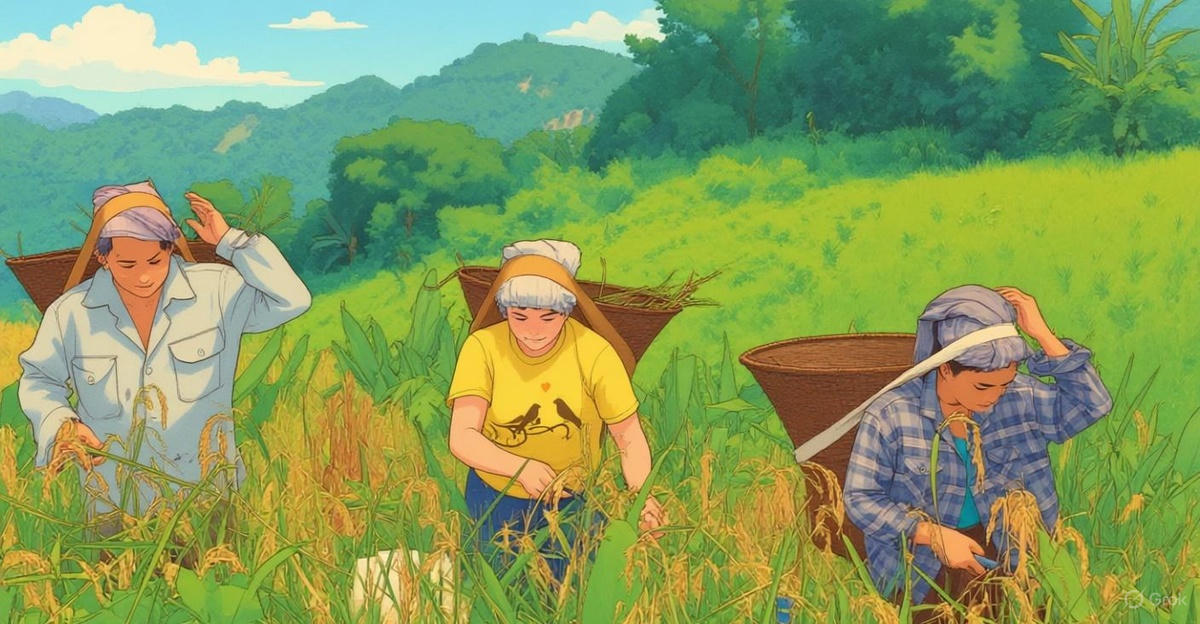
မီးလောင်နေသောတောင်များ၊ အသက်ရှင်နေသောမြေဆီလွှာ- မာရ်မာရွှေ့ပြောင်းလယ်ယာစိုက်ပျိုးရေး၏ ယဉ်ကျေးမှုနှင့် ဝိညာဉ်ရေးရာ အရေးပါမှု
Translated by U Wainnita
ရွှေ့ပြောင်းလယ်ယာစိုက်ပျိုးရေး သို့မဟုတ် ရွှေ့ပြောင်းစိုက်ပျိုးခြင်းသည် ဘင်္ဂလားဒေ့ရှ်နိုင်ငံ၊ စစ်တကောင်းတောင်တန်းဒေသရှိ မာရ်မာလူမျိုးများ၏ ရှေးအကျဆုံးနှင့် အထူးခြားဆုံး စိုက်ပျိုးရေးဓလေ့ထုံးတမ်းများထဲမှ တစ်ခုဖြစ်သည်။ ၎င်း၏ အပြင်ပန်းရိုးရှင်းမှုနောက်ကွယ်တွင် နက်ရှိုင်းသော ယဉ်ကျေးမှုဆိုင်ရာ အတွေးအခေါ်တစ်ခုရှိသည်။ လယ်ယာစိုက်ပျိုးခြင်းသည် အသက်မွေးဝမ်းကကြောင့်လုပ်ငန်းတစ်ခုသာမက ဝိညာဉ်ရေးရာယုံကြည်ချက်များ၊ လူမှုရေးပူးပေါင်းဆောင်ရွက်မှုနှင့် လူနှင့်သဘာဝအကြား ပင်ကိုယ်ဆက်ဆံရေးကို ထင်ဟပ်စေသည့် နက်နဲသော ယဉ်ကျေးမှုဆိုင်ရာ အတွေးအခေါ်တစ်ခုလည်း ရှိသည်။ မာရ်မာလူ့အဖွဲ့အစည်းတွင် ရွှေ့ပြောင်းလယ်ယာစိုက်ပျိုးရေးသည် ထုံးတမ်းစဉ်လာတစ်ခု၊ ယုံကြည်ချက်တစ်ခုနှင့် ဘဝနေထိုင်မှုပုံစံတစ်ခုဖြစ်ပြီး သီးနှံများစိုက်ပျိုးခြင်းသည် မြေ၊ လူနှင့် မမြင်ရသော ဝိညာဉ်ရေးရာအင်အားစုများအကြား တံတားတစ်စင်းဖြစ်သည်။
မြေယာရွေးချယ်ခြင်းနှင့် ပြင်ဆင်ခြင်း
နှစ်စဉ်နှစ်တိုင်း ပြာသို့လ (January) သို့မဟုတ် တပို့တွဲလ(February)တွင် မာရ်မာလယ်သမားများသည် တောင်စောင်းများတွင် ယာစိုက်ပျိုးရန်အတွက် မြေယာများကို ရွေးချယ်ကြသည်။ ဝါးသည် သန့်ရှင်းရလွယ်ကူပြီး မီးရှို့ပြီးနောက် ထွက်လာသောပြာသည် သဘာဝမြေသြဇာအဖြစ် လုပ်ဆောင်သောကြောင့် ဝါးကို များသောအားဖြင့် နှစ်သက်ကြသည်။ မြေယာကို ရွေးချယ်ပြီးနောက် လယ်သမားသည် ထိုရာသီအတွက် မြေယာကို သိမ်းပိုက်ထားကြောင်း ဖော်ပြသည့် ဆိုင်းဘုတ်တစ်ခုကို ထိုနေရာတွင် ထားရှိသည်။ ဤအလေ့အကျင့်သည် အပြန်အလှန်လေးစားမှုကို တည်ဆောက်ရန်နှင့် ကျေးလက်ဒေသတွင် မြေယာဆိုင်ရာ အငြင်းပွားမှုများကို ရှောင်ရှားရန် အထောက်အကူပြုသည်။
ရွေးချယ်ထားသော ကောင်းချီးမင်္ဂလာနေ့တွင် မြေယာရှင်းလင်းရေးလုပ်ငန်း စတင်ပါသည်။ ချုံပင်များနှင့် နွယ်ပင်များကို ခုတ်လှဲသော်လည်း သစ်ပင်ကြီးများကို များသောအားဖြင့် မစွန့်ပစ်ကြပါ – ၎င်းတို့သည် အရိပ်ပေးသည်၊ နားခိုရာနေရာများ ဖန်တီးပေးသည်၊ ပတ်ဝန်းကျင်၏ ဟန်ချက်ညီမှုကို ထိန်းသိမ်းပေးသည်။ ခုတ်လှဲပြီးနောက် အပင်များကို အခြောက်ခံပြီး တစ်လခန့်အကြာ တန်ခူးလ(May)တွင် မုတ်သုံရာသီမရောက်မီ မြေယာကို မီးရှို့သည်။
မီးမမွှေးမီ ထုံးတမ်းစဉ်လာများ
မီးမမွှေးမီ ယာသမားများသည် ထုံးတမ်းစဉ်လာတစ်ခုကို ပြုလုပ်ကြသည်။ ၎င်းတို့သည် ကျယ်လောင်စွာ ကြေငြာကြသည်- “မီးမွှေးမည်၊ ဤနေရာတွင် နေထိုင်သူများ ထွက်ခွာသွားကြ”။ ဤသည်မှာ မြေပေါ်ရှိ အင်းဆက်ပိုးမွှားများနှင့် သတ္တဝါများအတွက် သင်္ကေတသတင်းစကားတစ်ခုဖြစ်သည်။ ဤသတိပေးချက်ရှိသော်လည်း သတ္တဝါတစ်ကောင် သေဆုံးသွားပါက ယာသမားသည် ၎င်းအတွက် ဝိညာဉ်ရေးရာတာဝန်မရှိဟု ယုံကြည်ကြသည်။ ဤယုံကြည်ချက်သည် မာရ်မာလူမျိုးများ၏ နက်ရှိုင်းသော ကမ္ဘာ့အမြင်ကို ထင်ဟပ်စေပြီး သဘာဝတွင်ရှိသော သက်ရှိတိုင်းအပေါ် လေးစားမှုတစ်မျိုးကို ထိန်းသိမ်းထားသည်။
မီးရှို့ပြီးနောက် မြေပေါ်တွင် ကျန်ရှိနေသော မီးလောင်နေသော အကိုင်းအခက်များနှင့် ပေါင်းပင်များကို ဖယ်ရှားခြင်းလုပ်ငန်းကို မာရ်မာဘာသာစကားဖြင့် “ကြွန်းခြွေသည်” ဟုခေါ်သည်။
မျိုးစေ့ကြဲခြင်း
မိုးတိမ်များ စုပုံလာပြီး မိုးကြိုးပစ်သံများ ထွက်ပေါ်လာသည်နှင့် မိသားစုတစ်ခုလုံးသည် မျိုးစေ့ကြဲရန် ပြင်ဆင်ကြသည်။ ကလေးငယ်များမှလွဲ၍ မိသားစုရှိ လူတိုင်းသည် ဤလုပ်ငန်းတွင် ပါဝင်ဆောင်ရွက်ကြသည်။ အမျိုးသားများနှင့် အမျိုးသမီးများသည် ခါးတွင် ချည်နှောင်ထားသော မျိုးစေ့များနှင့် လက်ထဲတွင် ဓားအူးစူးဖြင့် ထိုးဖောက်ကိရိယာတစ်မျိုးကို သယ်ဆောင်ကြသည်။ လက်တစ်ဖက်၏ အကွာအဝေးတွင် အပေါက်ငယ်များ ပြုလုပ်ပြီး မျိုးစေ့များကို အတူတကွ ကြဲကြသည်။ မာရ်မာဘာသာစကားဖြင့် “ကောက်ဦးချသည် ဟုခေါ်ကြသည်။
မျိုးစေ့များကို ရောနှောအသုံးပြုလေ့ရှိသည် – စပါး၊ ကလော၊ ပြောင်း၊ နှမ်း၊ ပဲသီး၊ သခွားသီး၊ ဖြုံသီး၊ ဟင်းသီးဟင်းရွက်များ စသည်တို့ဖြစ်သည်။ ဤရောနှောစိုက်ပျိုးမှုစနစ်သည် တစ်ဖက်တွင် သီးနှံပျက်စီးမှုအန္တရာယ်ကို လျှော့ချပေးပြီး အခြားတစ်ဖက်တွင် တစ်နှစ်ပတ်လုံး အစားအစာထောက်ပံ့မှုကို သေချာစေသည်။ မိသားစုကြီးများမှ ယာသမားများသည် ၎င်းတို့၏အလုပ်ပြီးပြီးနောက် ၎င်းတို့၏မြေပေါ်တွင် ဆွေမျိုးများနှင့် အိမ်နီးချင်းများကို ငွေပေးချေခြင်းမရှိဘဲ ကူညီပေးသည်။ ၎င်းသည် လူ့အဖွဲ့အစည်းတွင် အပြန်အလှန်ပူးပေါင်းဆောင်ရွက်မှု၏ နှောင်ကြိုးကို ခိုင်မာစေသည်။
စိုက်ပျိုးပြီးပြီးချင်း မိုးရွာသွန်းမှုကို ကောင်းချီးမင်္ဂလာလက္ခဏာတစ်ခုအဖြစ် သတ်မှတ်ကြပြီး ပေါများသော ရိတ်သိမ်းမှုကို ညွှန်ပြသည်။
သီးနှံပြုစုစောင့်ရှောက်ခြင်းနှင့် ကာကွယ်ခြင်း
ပျိုးပင်များစိုက်ပျိုးပြီးနောက် မာရ်မာဘာသာစကားဖြင့် “ပေါင်းခုတ်သည်” ဟုလူသိများသော မြေပေါ်တွင် ပေါင်းမြက်ရှင်းလင်းခြင်းလုပ်ငန်း စတင်ပါသည်။ မိုးရာသီတွင် သီးနှံများကို တောရိုင်းသတ္တဝါများမှ ကာကွယ်ရန်အတွက် ယာကွင်းများတွင် ယာယီဝါးတဲများ (စင်) ဆောက်လုပ်ကြသည်။ ဤနေရာတွင် မိသားစုဝင်များသည် အလှည့်ကျ စောင့်ရှောက်ကြသည်။ ဤနည်းအားဖြင့် အလုပ်ခွဲဝေခြင်းဖြင့် လူ့အဖွဲ့အစည်းတွင် ပူးပေါင်းဆောင်ရွက်သော စိတ်ဓာတ်တစ်မျိုး ဖွံ့ဖြိုးလာပါသည်။
ရိတ်သိမ်းခြင်း
ပထမဆုံးသီးနှံ—ပြောင်းဖူး—သည် ဝါခေါင်လတွင်(August) ရင့်မှည့်သည်။ မာရ်မာပြောင်းဖူးသည် အရွယ်အစားသေးငယ်သော်လည်း အရသာနှင့် နူးညံ့မှုအတွက် နာမည်ကြီးသည်။ ထို့နောက် တဖြည်းဖြည်းနှင့် ဟင်းသီးဟင်းရွက်များ၊ ပဲအမျိုးမျိုးနှင့် အခြားသီးနှံများကို ရိတ်သိမ်းသည်။ စပါးနှင့် အခြားသီးနှံများသည် တောသလင်းလ(September)တွင် ရင့်မှည့်သည်။ အဓိကစပါးကို ရိတ်သိမ်းခြင်းမပြုမီ၊ ကောက်ပဲသီးနှံနတ်မအား ရည်စူးသော “စပါးအဘွားမ” ပူဇော်ကို ကျင်းပပြီး ၎င်းမှတစ်ဆင့် ကြွယ်ဝချမ်းသာမှုနှင့် ကာကွယ်စောင့်ရှောက်မှုကို ရှာဖွေသည်။
စပါးများ ရင့်မှည့်လာသောအခါ ယာသမားများသည် မျောက်များနှင့် တောကြက်များ၏ တိုက်ခိုက်မှုမှ ကာကွယ်ရန် စပါးပင်များကို ခုတ်လှဲလိုက်ရုံသာ ဖြစ်သည်။ စပါးရိတ်သိမ်းရာသီသည် ဝါကျွတ်လတွင် (October) နှမ်းနှင့် ဂွမ်းစုဆောင်းခြင်းဖြင့် ပြီးဆုံးသည်။ ထို့နောက် မိသားစုများသည် ရွာသို့ပြန်လာကြသော်လည်း ဂျမ်မြေပိုင်ဆိုင်မှုကို နောက်တစ်နှစ်အတွက် အသိအမှတ်ပြုထားသည်။
အဘွားမပူဇော်နှင့် ၎င်း၏ မူလအစဇာတ်လမ်း
မာရ်မာယာချက်ရှ်၏ အဓိကအချက်မှာ စပါးရိတ်သိမ်းခြင်း၏ စပါးအဘွားမ စပါးစောင့်နတ်မကို ကိုးကွယ်ခြင်းဖြစ်သည်။ ၎င်း၏ မူလအစနှင့် ပတ်သက်၍ ရှေးဟောင်းရိုးရာပုံပြင်တစ်ပုဒ်ရှိသည်။
တစ်ခါက ယာရိုးရာဓလေ့ပြီးနောက် ရွာတွင် ပွဲတော်တစ်ခု ကျင်းပခဲ့သည်။ ထိုနေရာတွင် အဘွားအိုတစ်ဦး – အမှန်တကယ်တွင် အဘွားအိုနတ်မြတ်မ အယောင်ဆောင်ထားသော – အစားအစာတောင်းခဲ့သည်။ ချမ်းသာသောမိသားစုမှ အမျိုးသားတစ်ဦးက သူမအား မောင်းထုတ်ခဲ့သော်လည်း ဆန်ခုနစ်စေ့သာရှိသော မိဘမဲ့ကလေးနှစ်ဦးသည် ၎င်းတို့၏ နောက်ဆုံးအစားအစာကို အဘွားအိုနှင့်အတူ မျှဝေစားသုံးခဲ့ကြသည်။ အဘွားအိုသည် ဆန်ကို အံ့ဖွယ်နည်းဖြင့် အဆုံးမရှိ ဆန်အိုးကြီးအဖြစ်သို့ ပြောင်းလဲပေးခဲ့သည်။
သူတို့ရဲ့ကြင်နာမှုအတွက် အပြန်အလှန်အနေနဲ့ သူမဟာ သူမရဲ့ စစ်မှန်တဲ့ပုံစံကို ထုတ်ဖော်ပြသပြီး ကလေးတွေကို ကောင်းချီးပေးခဲ့ပါတယ်။ သီးနှံစိုက်ပျိုးခြင်းရဲ့ လျှို့ဝှက်ချက်ကို သင်ကြားပေးပြီး “သီးနှံတိုင်းကို မရိတ်သိမ်းခင် ငါ့ကိုဆုတောင်းပါ၊ ဒါမှသာ ကြွယ်ဝချမ်းသာလာလိမ့်မယ်” လို့ ပြောခဲ့ပါတယ်။ သူမ ထွက်သွားတဲ့အခါ အိုးထဲက ဆန်ဟာ ပျားအုပ်အဖြစ် ပြောင်းလဲသွားပြီး ကောင်းကင်ထဲကို ပျံတက်ကာ စပါးအဘွားမနောက်ကို လိုက်သွားခဲ့ပါတယ်။ အဲဒီအချိန်ကစပြီး မာရ်မာလူမျိုးတွေဟာ သီးနှံအထွက်နှုန်းကောင်းပြီး အစာရေစာငတ်မွတ်ခေါင်းပါးမှု မဖြစ်ပွားအောင် စပါးအဘွားမကို ကိုးကွယ်လာခဲ့ကြပါတယ်။
ယာစိုက်ပျိုးရေးသည် မာရ်မာလူ့အဖွဲ့အစည်းတွင် စိုက်ပျိုးရေးသက်သက်မဟုတ်ပါ – ၎င်းသည် သက်ဝင်လှုပ်ရှားသော ယဉ်ကျေးမှုဆိုင်ရာ အတွေးအခေါ်တစ်ခုဖြစ်သည်။ မီးရှို့ခြင်းမပြုမီ သတ္တဝါများကို သတိပေးခြင်း၊ အပြန်အလှန်လုပ်အားလဲလှယ်ခြင်း၊ စပါးအဘွားမကို ကိုးကွယ်ခြင်း – အားလုံးပေါင်းလိုက်လျှင် ၎င်းသည် ရှုပ်ထွေးသော်လည်း ဟန်ချက်ညီသော စနစ်တစ်ခုဖြစ်ပြီး စိုက်ပျိုးရေး၊ ကိုယ်ကျင့်တရားနှင့် ဝိညာဉ်ရေးရာတို့သည် ခွဲခြား၍မရပါ။ ခေတ်သစ်စိုက်ပျိုးရေးမူဝါဒသည် ယာစိုက်ပျိုးရေးကို “ရှေးရိုးစွဲ” အဖြစ် လျှော့ချထားသော်လည်း မာရ်မာယာသည် သဘာဝ၊ လူ့အဖွဲ့အစည်းနှင့် ယုံကြည်မှုတို့၏ ထူးခြားသော ပေါင်းစပ်မှုတစ်ခုဖြစ်သည့် တောင်ပေါ်ဘဝ၏ ရေရှည်တည်တံ့ပြီး ကိုယ့်အားကိုယ်ကိုးနိုင်သော ဥပမာတစ်ခုအဖြစ် ရပ်တည်နေဆဲဖြစ်သည်။
Burning Hills, Living Soil: The Cultural and Spiritual Dimensions of Marma Jhum Cultivation
Jhum cultivation, or shifting cultivation, is one of the oldest and most distinctive agricultural practices of the Marma community in the Chittagong Hill Tracts of Bangladesh. Despite its simplicity, this system is deeply embedded in Marma cultural traditions, spiritual beliefs, and ecological adaptation. Beyond a subsistence method, it also functions as a ritualized practice that affirms the relationship between humans, land, and the unseen spiritual forces believed to influence fertility and harvests.
Site Selection and Clearing
Every year, usually in January or February, Marma cultivators select a hillside plot for jhum cultivation. Preference is often given to bamboo groves, as bamboo thickets are relatively easy to clear and, once burned, leave abundant ash that acts as a natural fertilizer. After selecting a plot, the cultivator places a marker in a visible location to signal to the community that the land has already been claimed for the season. This traditional system prevents disputes and ensures mutual respect over land use.
On an auspicious day, the clearing begins. Undergrowth, vines, and shrubs are cut, while large trees are left standing. These remaining trees not only provide shade for resting during work but also preserve ecological balance. The felled vegetation is left to dry for over a month before the field is set on fire, usually in early May, just before the onset of monsoon rains.
Rituals before Burning
Before burning, the cultivators perform a ritual act of communication with the insects and creatures inhabiting the land. They announce aloud that fire will soon be applied and urge the beings to leave. The belief is that if the creatures die despite this warning, the cultivator incurs no spiritual guilt. This practice reflects a worldview of ecological coexistence, where even pests are treated with symbolic respect.
Once the field is burned, cultivators remove partially charred trunks and residual weeds in a process known in Marma as “Kroaing khrui Khrang.”
Sowing the Seeds
As soon as signs of rain appear—cloud formations, thunder, and the first drops of monsoon showers—the entire household mobilizes for seed sowing. Except for small children, every member of the family participates. Men and women carry a pointed digging tool and a small basket of seeds tied around the waist. Seeds are mixed—typically paddy, foxtail millet, maize, sesame, cotton, cucumbers, beans, and leafy greens—and sown together in shallow holes, about a hand’s distance apart.
This mixed-cropping technique reduces the risk of crop failure and ensures a steady supply of food throughout the year. Families with larger households complete their sowing quickly and then extend unpaid labor to relatives and neighbors, reinforcing a system of mutual support. Sowing must be completed before heavy rains arrive, as rainfall immediately after sowing is considered a positive omen for a bountiful harvest.
Crop Care and Protection
Once the seedlings sprout, cultivators return to weed the plots—a task called “Pong Khwaik” (literally, “cutting weeds”). During the monsoon, families build temporary bamboo huts or watch-houses (machang ghar) on the fields to protect crops from wild animals such as boars and deer. Weeding and protection duties are shared among households in a rotational system, strengthening communal bonds.
Harvest Cycles
By early August, the first crop of maize ripens. Although smaller in size, Marma maize is prized for its tenderness and taste. Shortly afterward, various vegetables and pulses are harvested. By September, paddy and other grains mature. Before the main harvest, the Marma conduct the Abongma ritual—an offering to the goddess of crops—to ensure abundance and protection.
In mid-September, as paddy ripens, monkeys and jungle fowl pose major threats, prompting farmers to harvest only the ears of rice to minimize losses. October marks the final harvest of sesame and cotton, concluding the agricultural cycle. Once all crops are gathered, families return to their villages, though their ownership rights over the cultivated plot remain recognized for the following year.
The Abongma Ritual and Origin Myth
Central to Marma jhum cultivation is the worship of Abongma, the goddess of crops. A widely told folktale explains its origin.
According to the tale, during a village feast held after a jhum ritual, a poor, diseased old woman—actually Abongma in disguise—was denied food by a wealthy household but welcomed by two orphaned children of a destitute family. The children shared the last seven grains of rice they had, which the old woman miraculously transformed into an endless pot of cooked rice.
Moved by their kindness, she revealed her powers and blessed the family with prosperity, teaching them secrets of abundant harvests. Before departing, she instructed them to honor her with offerings before each harvest. When she disappeared, the stored rice she had given transformed into swarms of bees that followed her into the sky. From that time, the Marma began worshipping Abongma with offerings to secure fertility and guard against famine.
Jhum cultivation among the Marma is more than a method of food production—it is a cultural system interwoven with social cooperation, ecological knowledge, and spiritual belief. From announcing fire to insects, to reciprocal labor exchange, to worshipping Abongma, each stage of the process reflects a worldview in which agriculture, morality, and spirituality are inseparable. Despite pressures from modern agricultural policies that often dismiss shifting cultivation as “primitive,” Marma jhum remains a resilient system of adaptation, ecological balance, and cultural identity in the hills of southeastern Bangladesh.
জ্বলন্ত পাহাড়, জীবন্ত মাটি: মারমা জুমচাষের সাংস্কৃতিক ও আধ্যাত্মিক তাৎপর্য
জুমচাষ বা স্থানান্তরিত কৃষি পদ্ধতি বাংলাদেশের পার্বত্য চট্টগ্রামের মারমা জনগোষ্ঠীর অন্যতম প্রাচীন ও স্বতন্ত্র কৃষি ঐতিহ্য। এর বাহ্যিক সরলতার আড়ালে লুকিয়ে আছে একটি গভীর সাংস্কৃতিক দর্শন—যেখানে কৃষিকাজ শুধু জীবিকার উপায় নয়, বরং আধ্যাত্মিক বিশ্বাস, সামাজিক সহযোগিতা এবং প্রকৃতির সঙ্গে মানুষের অন্তর্গত সম্পর্কের প্রতিফলন। মারমা সমাজে জুমচাষ একাধারে আচার, বিশ্বাস এবং জীবনযাপনের ধারাবাহিকতা—যেখানে ফসল ফলানো মানে ভূমি, মানুষ ও অদৃশ্য আত্মিক শক্তির মধ্যে এক সেতুবন্ধন।
ভূমি নির্বাচন ও প্রস্তুতি
প্রতি বছর জানুয়ারি বা ফেব্রুয়ারি মাসে মারমা চাষিরা পাহাড়ি ঢালে জুমের জন্য জমি নির্বাচন করেন। সাধারণত বাঁশঝাড়কে অগ্রাধিকার দেওয়া হয়, কারণ বাঁশঝাড় পরিষ্কার করা সহজ এবং পোড়ানোর পর সৃষ্ট ছাই প্রাকৃতিক সার হিসেবে কাজ করে। জমি নির্বাচনের পর চাষি সেখানে একটি চিহ্ন স্থাপন করেন, যা জানিয়ে দেয়—এই জমিটি সেই মৌসুমে দখলকৃত। এই প্রথা গ্রামীণ সমাজে পারস্পরিক শ্রদ্ধা ও ভূমি-সংক্রান্ত বিবাদ এড়াতে সাহায্য করে।
নির্বাচিত শুভ দিনে জমি পরিষ্কারের কাজ শুরু হয়। ঝোপঝাড় ও লতাগুল্ম কেটে ফেলা হয়, কিন্তু বড় গাছ সাধারণত ফেলে দেওয়া হয় না—এগুলো ছায়া দেয়, বিশ্রামের স্থান তৈরি করে এবং পরিবেশের ভারসাম্য রক্ষা করে। কাটাকাটি শেষে গাছপালা শুকিয়ে নেওয়া হয়, এবং প্রায় এক মাস পর, বর্ষার আগমনের ঠিক আগে, মে মাসে জমি পুড়িয়ে ফেলা হয়।
আগুন দেওয়ার আগে আচার
আগুন দেওয়ার পূর্বে চাষিরা এক ধরনের আচার সম্পন্ন করেন। তাঁরা জোরে ঘোষণা করেন—“আগুন লাগানো হবে, যারা এখানে বাস করছো, সরে যাও।” এটি ভূমির পোকামাকড় ও প্রাণীদের উদ্দেশে এক ধরনের প্রতীকী বার্তা। বিশ্বাস করা হয়, এই সতর্কতা দেওয়ার পরও যদি কোনো প্রাণী মারা যায়, তবে তার জন্য চাষির ওপর কোনো আত্মিক দায় থাকে না। এই বিশ্বাস মারমাদের সেই গভীর বিশ্বদৃষ্টিকে প্রতিফলিত করে যেখানে প্রকৃতির প্রতিটি জীবের প্রতি এক ধরনের শ্রদ্ধা বজায় থাকে।
আগুন লাগানোর পর জমিতে অবশিষ্ট পোড়া ডালপালা ও আগাছা সরানোর কাজকে মারমা ভাষায় বলা হয় “ক্রোয়াইং খ্রুই খ্রাং।”
বীজ বপন
মেঘ জমা, বজ্রধ্বনি ও প্রথম বৃষ্টির ফোঁটা দেখা দিলেই গোটা পরিবার বীজ বপনের প্রস্তুতি নেয়। ছোট শিশু ছাড়া পরিবারের সবাই এই কাজে অংশ নেয়। পুরুষ ও নারী কোমরে বাঁধা ছোট ঝুড়িতে মিশ্র বীজ নিয়ে হাতে থাকে একধরনের সূচালো খোঁচা যন্ত্র। এক হাত পরিমাণ দূরত্বে ছোট গর্ত করে একসাথে বীজ ফেলা হয়।
বীজগুলো সাধারণত মিশ্র—ধান, কাউন, ভুট্টা, তিল, তুলা, শসা, বরবটি, শাক ইত্যাদি। এই মিশ্র ফসল পদ্ধতি একদিকে ফসল নষ্ট হওয়ার ঝুঁকি কমায়, অন্যদিকে সারা বছর খাবারের যোগান নিশ্চিত করে। বড় পরিবারের চাষিরা নিজের কাজ শেষ করে আত্মীয়স্বজন ও প্রতিবেশীর জমিতে বিনা পারিশ্রমিকে সাহায্য করেন—এভাবেই সমাজে পারস্পরিক সহযোগিতার বন্ধন দৃঢ় হয়।
বপন শেষ হওয়ার পরপরই বৃষ্টি নামা শুভ লক্ষণ হিসেবে গণ্য হয়, যা ফলনের প্রাচুর্যের ইঙ্গিত বহন করে।
ফসলের যত্ন ও সুরক্ষা
চারা গজানোর পর জমি আগাছামুক্ত করার কাজ শুরু হয়, যা মারমা ভাষায় “পং খোয়াইক্” নামে পরিচিত। বর্ষার সময় বন্য প্রাণীর হাত থেকে ফসল রক্ষার জন্য জুমক্ষেতে অস্থায়ী বাঁশের মাচাং ঘর তৈরি করা হয়। এখানে পালাক্রমে পরিবারের সদস্যরা পাহারা দেয়। এভাবে শ্রম ভাগাভাগির মাধ্যমে সমাজে একধরনের সমবায় চেতনা গড়ে ওঠে।
ফসল সংগ্রহ
আগস্ট মাস নাগাদ প্রথম ফসল—ভুট্টা—পাকে। মারমা ভুট্টা আকারে ছোট হলেও স্বাদে ও কোমলতায় বিখ্যাত। এরপর ধীরে ধীরে শাকসবজি, ডাল ও অন্যান্য ফসল তোলা শুরু হয়। সেপ্টেম্বর মাসে ধান ও শস্য পরিপক্ব হয়। মূল ধান কাটার আগে অনুষ্ঠিত হয় “অবংমা” পূজা—ফসলের দেবীর উদ্দেশে নিবেদিত একটি আচার, যার মাধ্যমে সমৃদ্ধি ও সুরক্ষা কামনা করা হয়।
ধান পাকতে শুরু করলে বানর ও বন্য মুরগির আক্রমণ থেকে রক্ষা করতে কৃষকেরা কেবল ধানের শীষ কেটে নেন। অক্টোবর মাসে তিল ও তুলা সংগ্রহের মধ্য দিয়ে ফসল তোলার মৌসুম শেষ হয়। তারপর পরিবারগুলো গ্রামে ফিরে আসে, যদিও তাদের জুম জমির মালিকানা পরবর্তী বছরের জন্যও স্বীকৃত থাকে।
আবংমা পূজা ও উৎপত্তির কাহিনি
মারমা জুমচাষের কেন্দ্রে রয়েছে ফসলের দেবী অবংমা-র পূজা। এর উৎস নিয়ে একটি প্রাচীন লোককাহিনি প্রচলিত আছে।
একবার জুমের আচার শেষে গ্রামে এক ভোজের আয়োজন হয়েছিল। সেখানে এক বৃদ্ধা—আসলে ছদ্মবেশে দেবী অবংমা—খাবার চাইলেন। এক ধনী পরিবারের মানুষ তাকে তাড়িয়ে দিল, কিন্তু দুই অনাথ শিশু, যাদের কাছে ছিল মাত্র সাত দানা চাল, তারা নিজের শেষ খাবার বৃদ্ধাকে ভাগ করে দিল। বৃদ্ধা সেই চালকে অলৌকিকভাবে এক অনন্ত ভাতের হাঁড়িতে রূপান্তর করলেন।
তাদের দয়ার প্রতিদানে তিনি আসল রূপ প্রকাশ করে শিশুদের আশীর্বাদ দিলেন—ফসল ফলানোর গোপন বিদ্যা শেখালেন এবং বললেন, “প্রতি ফসল কাটার আগে আমাকে পূজা দেবে, তবেই সমৃদ্ধি থাকবে।” বিদায় নেওয়ার সময় সেই হাঁড়ির ভাত মৌমাছির দলে পরিণত হয়ে আকাশে উড়ে গেল, দেবীর পেছন পেছন। তখন থেকেই মারমারা অবংমার পূজা করে আসছে, যাতে ফলন ভালো হয় ও দুর্ভিক্ষ না আসে।
জুমচাষ মারমা সমাজে কেবল কৃষি নয়—এটি এক জীবন্ত সাংস্কৃতিক দর্শন। আগুন দেওয়ার আগে প্রাণীদের সতর্ক করা, পারস্পরিক শ্রমবিনিময়, আবংমার পূজা—সব মিলিয়ে এটি এমন এক জটিল কিন্তু সুষম ব্যবস্থা, যেখানে কৃষি, নৈতিকতা ও আধ্যাত্মিকতা অবিচ্ছেদ্য। আধুনিক কৃষিনীতি যেখানে জুমচাষকে “আদিম” বলে অবমূল্যায়ন করে, সেখানে মারমা জুম আজও পাহাড়ি জীবনের এক টেকসই ও আত্মনির্ভরশীল দৃষ্টান্ত—প্রকৃতি, সমাজ ও বিশ্বাসের অনন্য সমন্বয়।