Indigenous Language Notice
This material was documented through engagement with Mro oral and written traditions.
While standardized scripts and knowledgeable language practitioners do exist, producing accurate, verified transcriptions requires trained contributors, time, and fair compensation. At this self-funded stage of the project, it has not been possible to undertake this work responsibly.
Roots and Rights Collective is committed to developing properly resourced, community-led, and consent-based transcription and archiving of indigenous languages in future phases of this initiative.
Adornment and Identity: Traditional Ornaments of the Mro
The Mro community of the Chittagong Hill Tracts demonstrates a rich ornamental tradition that reflects their deep aesthetic sensibility, cultural continuity, and indigenous craftsmanship. Both Mro men and women wear ornaments made primarily from silver, copper, and aluminum. While some ornaments are handcrafted by the Mro themselves, others are commissioned from local artisans based on traditional or personalized designs.
Symbolism and Usage
Adornment in Mro culture is not merely decorative—it is integrally tied to identity, ritual, and social status. Large ear piercings, floral adornments, and even blackened teeth are seen as aesthetic practices that reflect Mro ideals of beauty. Blackening the teeth, for instance, is a unique custom achieved by applying a soot-based resin from burnt bamboo and heated machetes, which requires abstaining from sour foods to maintain the stain.
The practice of growing and styling long hair further distinguishes gender identities: women wear their hair in buns at the back, while men tie theirs at the front or above the right ear.
Categories of Ornaments
Head Ornaments (Lumem)
Si Lumem: Headgear made from coins (typically quarter or half-taka pieces) arranged in circular patterns and worn during ceremonial dances and weddings.
Sidan & Keng Sidan: Hairpins made from coins and colored beads, often shaped to resemble marigolds, securing women’s hair buns during festivals.
Kap Per (Needle Garland): Worn by both men and women, this elaborate ornament is made from over a hundred sewing needles strung together with wild tree bark fiber and used during ritual dances.
Kapso: Decorative aluminum pins featuring colorful beadwork, mimicking the look of blooming orchids.
Nason Srot: Intricate enamel combs cast from molten aluminum and sometimes made of hardwood; visually resemble aircraft propellers.
Kengring Lumem: A red bead headband worn exclusively by married women as a symbol of marital status.
Ear Ornaments (Ramseng)
Tai Ramseng: Large silver earrings with detailed engravings resembling baskets, worn exclusively by women.
P’ato: Decorative floral earrings made from brightly colored threads and aluminum, popular among both men and women.
Kengpon: Beaded earrings mimicking wildflowers, worn mainly by men.
Nga’pung Ramseng: Circular gold or silver ear ornaments for men, crafted by professional local metalworkers.
Neck Ornaments (N’ng-or)
Tingsui: Beaded necklaces made of silver, highly valued and often gifted to daughters at marriage.
Kengleng: A long cascading necklace made from 60–70 silver coins, reaching from neck to knees.
Kengklok & Kengbuk: Beaded necklaces crafted in complex patterns; the Kengbuk resembles the form of a cobra and requires significant time to produce.
Kengfa: A waist-length bead ornament sometimes worn as a necklace, often elaborately designed.
Arm Ornaments (Bongkom)
Harkoi: Intricately engraved silver armlets worn by women, usually designed and customized by local artisans.
Kwoaise: Bangles made by melting old utensils, often engraved with motifs like cucumber seeds or snake heads; worn by both men and women.
Kengke Bongkom: Beaded armlets worn by men, particularly during youth gatherings, crafted in vibrant designs by women.
Tai Kwoaise: Silver bangles specifically worn by men.
Waist Ornaments (Kekom)
Roakom (Waist Beads): Considered a rite of passage for adolescent girls, this silver girdle is crafted by twisting thin silver wires into net-like chains.
Langse: A copper wire waist ornament worn mainly by married women, made by twisting the wire into coiled patterns.
Si Mumprut: Waist adornment made from coins attached to copper plates and strung on thread, used by young women during ceremonial dances.
Foot Ornaments (Khokkheng)
Tai Khokkheng: Solid silver anklets with hollow designs and internal copper beads that produce a jingling sound, often engraved with animal motifs.
Kri Khokkheng: Copper anklets designed with natural motifs like vines and snake skins, often featuring twin snake heads at both ends.
Cultural Transitions and Decline
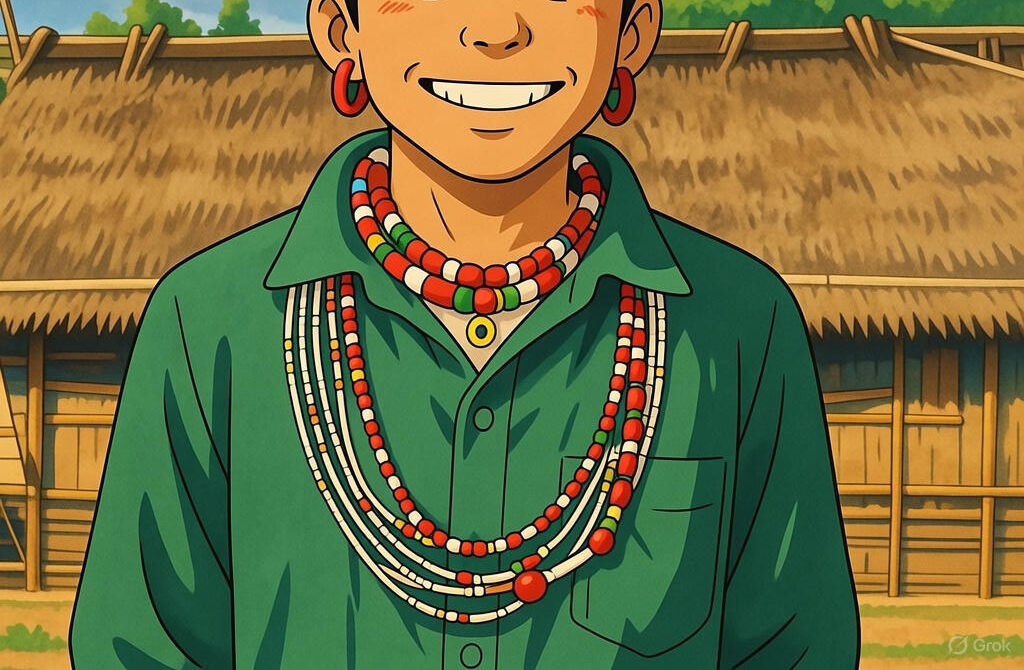
While the Mro people continue to cherish and wear many of these traditional ornaments, some are now at risk of decline due to economic hardship and the influence of mass-produced modern accessories. Items like the Wan Cha (traditional breast cover) and Korma (handwoven blouses for men and women) are becoming rare as synthetic garments replace time-intensive handwoven ones. Yet, many Mro still strive to preserve their adornment heritage by using forest flowers, customizing metalwork, and incorporating indigenous craftsmanship into modern usage.
Mro traditional ornaments are not only expressions of beauty but also repositories of cultural memory, gender roles, craftsmanship, and communal identity. As symbols of heritage, they hold immense anthropological and artistic value that deserves deeper appreciation and preservation. The Mro community’s ornamental tradition offers a compelling lens through which to explore broader themes of indigenous resilience, identity, and cultural transformation.
অলঙ্কার ও পরিচয়: ম্রোদের ঐতিহ্যবাহী গয়না
পার্বত্য চট্টগ্রামের ম্রো জনগোষ্ঠী তাদের সমৃদ্ধ অলঙ্কার সংস্কৃতির মাধ্যমে নান্দনিক রুচি, সাংস্কৃতিক ধারাবাহিকতা এবং স্বদেশি কারুশিল্পের এক অনন্য ঐতিহ্য উপস্থাপন করে। ম্রো পুরুষ ও নারী উভয়েই রূপা, তামা ও অ্যালুমিনিয়ামের তৈরি নানা ধরনের গয়না পরেন। কিছু অলঙ্কার ম্রো কারিগররাই তৈরি করেন, আবার কিছু স্থানীয় কারিগরদের দিয়ে তৈরি করানো হয় ঐতিহ্যবাহী বা ব্যক্তিগত নকশা অনুযায়ী।
প্রতীকী অর্থ ও ব্যবহার
ম্রো সমাজে অলঙ্কার কেবল সৌন্দর্যবর্ধনের উপকরণ নয়—এটি তাদের সামাজিক অবস্থান, পরিচয় ও ধর্মীয় বিশ্বাসের সঙ্গে গভীরভাবে যুক্ত। বড় কানফোঁড়া, ফুলের সাজসজ্জা, এমনকি দাঁত কালো করার প্রথাও তাদের সৌন্দর্যচেতনার অংশ। দাঁত কালো করা একটি বিশেষ ঐতিহ্য, যা পোড়ানো বাঁশের ছাই ও উত্তপ্ত দা থেকে তৈরি এক ধরনের কালো রেজিন দিয়ে করা হয়। দাঁতের রঙ ধরে রাখতে টক খাবার এড়িয়ে চলতে হয়।
চুলের ধরনও ম্রোদের লিঙ্গভেদকে প্রকাশ করে—নারীরা চুল পেছনে খোঁপা করে বাঁধেন, আর পুরুষেরা সামনে বা ডান কান উপরে গিঁট দিয়ে রাখেন।
মাথার অলঙ্কার (লুমেম)
সি লুমেম: মুদ্রা (চতুর্থাংশ বা অর্ধ টাকা) দিয়ে গোল আকারে সাজানো মাথার গয়না, যা নাচ ও বিবাহ অনুষ্ঠানে পরা হয়।
সিদান ও কেং সিদান: রঙিন পুঁতি ও মুদ্রা দিয়ে তৈরি চুলের পিন, যা গাঁদা ফুলের মতো আকৃতিতে তৈরি হয় এবং উৎসবের সময় নারীরা খোঁপায় ব্যবহার করেন।
কাপ পের (সুঁই মালা): পুরুষ ও নারী উভয়েই এটি পরেন। শতাধিক সেলাইয়ের সুঁই বুনো গাছের ছালের সুতোয় গেঁথে মালা তৈরি করা হয়। ধর্মীয় নৃত্যে এটি ব্যবহৃত হয়।
কাপসো: রঙিন পুঁতির নকশায় সাজানো অ্যালুমিনিয়ামের পিন, যা ফুলের পাপড়ির মতো সৌন্দর্য সৃষ্টি করে।
নাসন স্রোত: গলিত অ্যালুমিনিয়াম থেকে তৈরি জটিল নকশার চিরুনি, কখনও কখনও শক্ত কাঠ দিয়েও তৈরি হয়। এর আকৃতি বিমানের প্রপেলারের মতো।
কেংরিং লুমেম: লাল পুঁতির তৈরি হেডব্যান্ড, যা কেবল বিবাহিত নারীরা পরেন—এটি তাদের বৈবাহিক পরিচয়ের প্রতীক।
কানের অলঙ্কার (রামসেং)
তাই রামসেং: ঝুড়ির মতো খোদাই করা রূপার বড় দুল, যা শুধুমাত্র নারীরা পরে।
পতো: উজ্জ্বল রঙের সুতা ও অ্যালুমিনিয়াম দিয়ে তৈরি ফুলের মতো দুল, পুরুষ ও নারী উভয়ের কাছেই জনপ্রিয়।
কেংপন: বুনো ফুলের নকশায় তৈরি পুঁতির দুল, যা প্রধানত পুরুষেরা পরে।
ঙাপুং রামসেং: পেশাদার স্থানীয় ধাতুকর্মীরা তৈরি করা বৃত্তাকার রূপা বা সোনার দুল, পুরুষদের জন্য।
গলার অলঙ্কার (ঙ’অর)
তিংসুই: রূপার পুঁতির মালা, যা অত্যন্ত মূল্যবান এবং কন্যাদের বিয়ের সময় উপহার হিসেবে দেওয়া হয়।
কেংলেং: ৬০–৭০টি রূপার মুদ্রা দিয়ে তৈরি লম্বা গয়না, যা গলা থেকে হাঁটু পর্যন্ত ঝুলে থাকে।
কেংক্লক ও কেংবুক: জটিল নকশায় পুঁতির মালা; কেংবুক মালাটি সাপের আকৃতির মতো তৈরি করা হয় এবং এটি বানাতে দীর্ঘ সময় লাগে।
কেংফা: কোমর পর্যন্ত লম্বা পুঁতির অলঙ্কার, যা কখনও গলার মালা হিসেবেও ব্যবহার করা হয়।
বাহুর অলঙ্কার (বংকম)
হারকোই: খোদাই করা নকশার রূপার বাহুবন্ধ, যা সাধারণত নারীরা পরে এবং স্থানীয় কারিগরদের দিয়ে কাস্টমাইজ করা হয়।
কোয়াইসে: পুরোনো হাঁড়িপাতিল গলিয়ে তৈরি করা বালা, যেখানে শসার বিচি বা সাপের মাথার নকশা খোদাই করা হয়; পুরুষ ও নারী উভয়ই পরে।
কেংকে বংকম: রঙিন পুঁতির বাহুবন্ধ, যা পুরুষেরা বিশেষ করে তরুণদের সমাবেশে পরে, এবং সাধারণত নারীরাই এটি তৈরি করেন।
তাই কোয়াইসে: পুরুষদের জন্য বিশেষ রূপার বালা।
কোমরের অলঙ্কার (কেকম)
রোআকম (কোমর পুঁতি): কিশোরী নারীদের প্রাপ্তবয়স্ক হওয়ার প্রতীক। পাতলা রূপার তার জাল বুনে তৈরি কোমরের চেইন বা গার্ডল।
লাংসে: পেঁচানো তামার তার দিয়ে তৈরি কোমরের গয়না, যা প্রধানত বিবাহিত নারীরা পরে।
সি মুমপ্রুত: মুদ্রা ও তামার পাত একত্রে সুতোয় গেঁথে তৈরি কোমরের অলঙ্কার, যা তরুণ নারীরা উৎসব ও নৃত্যের সময় পরে।
পায়ের অলঙ্কার (খকখেং)
তাই খকখেন: ভিতরে তামার বলযুক্ত রূপার গোড়ালি বাঁক বা নূপুর, যা নড়াচড়ায় ঝনঝন শব্দ তোলে; এতে পশুর নকশাও খোদাই করা থাকে।
ক্রি খকখেন: লতাপাতা বা সাপের ত্বকের নকশায় তৈরি তামার নূপুর, যার উভয় প্রান্তে সাপের দ্বিমাথা খোদাই করা থাকে।
সাংস্কৃতিক রূপান্তর ও অবক্ষয়
আজও ম্রো জনগোষ্ঠী অনেক ঐতিহ্যবাহী গয়না ভালোবেসে পরে থাকলেও, অর্থনৈতিক সংকট ও আধুনিক কৃত্রিম অলঙ্কারের প্রভাবে কিছু অলঙ্কার বিলুপ্তির পথে। যেমন—ওয়ান চা (ঐতিহ্যবাহী বক্ষআবরণ) ও কর্মা (হাতবোনা জামা) ক্রমে হারিয়ে যাচ্ছে, কারণ এখন হাতে বোনা পোশাকের পরিবর্তে সহজলভ্য সিনথেটিক কাপড় ব্যবহৃত হচ্ছে।
তবু অনেক ম্রো নারী-পুরুষ ফুল, পুঁতি ও ধাতব কাজের সংমিশ্রণে তাদের গয়নার ঐতিহ্য ধরে রাখার চেষ্টা করছেন। তারা বনজ ফুল দিয়ে সাজেন, স্থানীয়ভাবে ধাতব কাজ করান এবং আধুনিক জীবনে তাদের ঐতিহ্যকে নতুনভাবে সংযোজন করেন।
ম্রোদের ঐতিহ্যবাহী অলঙ্কার কেবল সাজসজ্জার বস্তু নয়—এগুলো একাধারে তাদের ইতিহাস, পরিচয়, লিঙ্গভূমিকা, কারুশিল্প ও সাংস্কৃতিক স্মৃতির ধারক। এই গয়নাগুলো তাদের ঐতিহ্যের জীবন্ত প্রতীক, যা নান্দনিক ও নৃতাত্ত্বিক—দুই দিক থেকেই অমূল্য। ম্রোদের অলঙ্কার ঐতিহ্য আমাদের শেখায়, কীভাবে সৌন্দর্য, শ্রম ও বিশ্বাস একত্রে মিশে একটি জাতির আত্মপরিচয় গঠন করে এবং সময়ের পরিবর্তনের মাঝেও টিকে থাকে তাদের সাংস্কৃতিক দৃঢ়তা ও আত্মগৌরব।