
Indigenous Language Notice
This material was documented through engagement with Mro oral and written traditions.
While standardized scripts and knowledgeable language practitioners do exist, producing accurate, verified transcriptions requires trained contributors, time, and fair compensation. At this self-funded stage of the project, it has not been possible to undertake this work responsibly.
Roots and Rights Collective is committed to developing properly resourced, community-led, and consent-based transcription and archiving of indigenous languages in future phases of this initiative.
Strength, Spirit, and Story: Traditional Games of the Mro Community
The Mro community, living in remote forested regions of the Chittagong Hill Tracts, maintains a vibrant tradition of indigenous sports. These games are not only physical exercises but also rich in cultural symbolism and oral memory. Traditional Mro games often take place during community festivals, agricultural cycles, and leisure time, reflecting deep ties to the land, belief systems, and social customs. While modern sports like football and volleyball have gained popularity, indigenous games continue to serve as powerful markers of ethnic identity and historical continuity.
Social and Cultural Significance
Mro games emphasize communal harmony, fair play, courage, and the heroic ideal. They reinforce male valor, kinship ties, and mythical memory. Many games are linked to spiritual beliefs, ancestral rituals, and cosmological narratives. Some games, such as Chyongchoi Khok Yom, are believed to invoke or honor supernatural beings and are only played during specific ceremonies to avoid spiritual retribution.
Key Traditional Games of the Mro
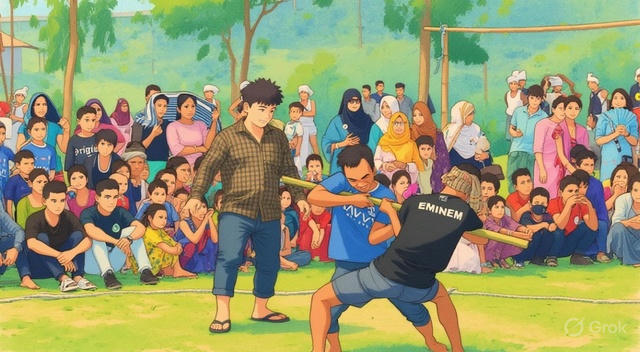
Taket (Bamboo Push)
A competitive strength-based game played predominantly by young men during the Changcran (New Year) festival. Two participants push against each other using a short bamboo pole, attempting to knock the opponent to the ground.
Materials: 3-hand-long Mitingya bamboo.
Rules: 1-on-1 elimination; winner continues; champion is last standing.
Mythical Origin: Once used by a king to select a new general during wartime Cultural Elements: Victory rewards include traditional jewelry and rice wine, exchanged between lovers.
Singkling Nuk Koak (Seed Toss Game)
Played with large, hard seeds of the ghila vine, this is a multi-stage competition resembling both marbles and a skill-based target game.
Stages: 11 distinct levels, each corresponding to a body part (e.g., forehead, chest, knee, foot).
Format: Teams try to hit arranged seeds by tossing their own seed from increasingly difficult positions.
Skill & Symbolism: Tests precision, agility, and strength, linking the human body to the rhythm of the game.
Klongwi Ngk (Spinning Top Game)
A duel-like contest involving handmade spinning tops. Players take turns striking their opponent’s top while ensuring their own continues spinning.
Preparation: Tops made from water-soaked wood for durability and weight.
Scoring: Based on successful strikes and spin duration.
Cultural Insight: A creative use of forest resources and woodworking skill.
Lenghon Takung (Tug of War)
A communal strength game, often held after shifting cultivation work or during rest periods.
Materials: Hand-twisted rope made from udal tree bark, soaked for durability.
Format: Villages compete; men, women, and even mixed-gender teams participate.
Community Role: Ends in feasting; often involves music and dance to boost morale.
Singdung Chok (Log Lifting Contest)
A test of strength and endurance where participants lift increasingly heavier logs prepared from specially soaked timber.
Objective: The participant who can lift the largest log is the winner.
Relevance: Reflects the physical demands of jhum (shifting cultivation) labor.
Laou (High Jump Over Rope)
An informal recreational game played at dusk. Participants attempt to leap over a raised rope without touching it.
Materials: Rope made from udal tree fibers.
Structure: Three attempts allowed per participant.
Cultural Note: Popular among young men after daily work, emphasizing agility.
Siakhem Yom (Reverse Sprint with Partner)
Primarily played by children. One player lies on another’s back, arms interlocked, and races toward a finish line.
Team Format: Played in pairs, judged by three referees.
Function: Encourages teamwork, coordination, and fun among youth.
Takrung (Strength Pull)
A two-person game using a sturdy bamboo rod where participants pull against each other with feet locked.
Victory Condition: The player who remains seated with grounded feet wins.
Symbolism: Raw strength and balance are core themes.
Chyongchoi Khok Yom (Spirit-Pole Race)
A rare ceremonial race involving long bamboo stilts referred to as “Chyongchoi’s feet,” named after a supernatural entity.
Occasion: Only performed during ritual ceremonies to appease or honor the Chyongchoi spirit.
Mythic Context: Based on legends of forest spirits who form relationships with humans.
Rules: Players race on 4–5-hand-long bamboo stilts.
Spiritual Sensitivity: Playing this game outside ritual contexts is taboo.
Continuity and Change
Although traditional games remain an integral part of Mro festivals and rural life, their practice is diminishing due to modernization and lack of structured support. Documentation and promotion of these games are vital for cultural preservation and community empowerment. Integrating these games into local schools, festivals, and cultural programs could help foster ethnic pride and intergenerational knowledge transfer.
Mro traditional games offer more than recreation—they are narrative, memory, performance, and cultural resilience woven into physical acts. As modernity encroaches on indigenous lifeways, such games stand as dynamic expressions of identity, ethics, and creativity. Preserving and revitalizing these games can serve both as cultural affirmation and a mode of resistance against homogenizing forces.
শক্তি, আত্মা ও গল্প: ম্রো জনগোষ্ঠীর প্রথাগত খেলাধুলা
চট্টগ্রাম পার্বত্য অঞ্চলের দুর্গম অরণ্য ও পাহাড়ঘেরা গ্রামগুলোতে বসবাসরত ম্রো জনগোষ্ঠী আজও সংরক্ষণ করে চলেছে তাদের প্রাণবন্ত প্রথাগত খেলাধুলার ঐতিহ্য। এই খেলাগুলো কেবল শারীরিক অনুশীলন নয়—এগুলো সাংস্কৃতিক প্রতীক, মৌখিক ইতিহাস, এবং সামাজিক স্মৃতির বাহক। ম্রোদের ঐতিহ্যবাহী খেলা সাধারণত অনুষ্ঠিত হয় উৎসবের সময়, কৃষিকাজের বিরতিতে, অথবা অবসরের মুহূর্তে। এতে প্রতিফলিত হয় তাদের ভূমির প্রতি গভীর সংযোগ, বিশ্বাসব্যবস্থা ও সামাজিক প্রথা। আধুনিক খেলাধুলা—যেমন ফুটবল ও ভলিবল—ক্রমে জনপ্রিয় হলেও, প্রথাগত খেলা আজও ম্রো জাতিগত পরিচয়, ইতিহাস, ও সামাজিক ঐক্যের এক শক্তিশালী প্রতীক হিসেবে টিকে আছে।
সামাজিক ও সাংস্কৃতিক তাৎপর্য
ম্রো খেলাগুলোর মূল বিষয় হলো পারস্পরিক ঐক্য, ন্যায্য প্রতিযোগিতা, সাহস, এবং বীরত্ববোধ। এসব খেলা কেবল বিনোদন নয়; এগুলো সমাজে পুরুষত্বের আদর্শ, আত্মীয়তার বন্ধন এবং পৌরাণিক স্মৃতির পুনর্নির্মাণ ঘটায়। অনেক খেলাই ধর্মীয় বিশ্বাস, পূর্বপুরুষ-সংক্রান্ত আচার, বা মহাজাগতিক কাহিনির সঙ্গে জড়িত। কিছু খেলা, যেমন চ্যংছই খক ইয়ম, বিশেষ আচার অনুষ্ঠানের সময়েই খেলা হয়, কারণ বিশ্বাস করা হয়—অন্য সময় খেলা হলে আত্মার অপ্রসন্নতা বা বিপর্যয় ঘটতে পারে।
প্রধান প্রথাগত খেলাগুলো
তাকেত (বাঁশ ঠেলা)
শারীরিক শক্তির প্রতিযোগিতামূলক খেলা, যা সাধারণত নববর্ষ উৎসব চাংক্রান-এর সময় যুবকদের মধ্যে অনুষ্ঠিত হয়। দুই প্রতিযোগী একটি ছোট বাঁশের খণ্ড দিয়ে একে অপরকে ঠেলে মাটিতে ফেলতে চেষ্টা করে।
উপকরণ: তিন হাত লম্বা মিতিঙ্যা বাঁশ।
নিয়ম: এক-এক করে লড়াই, জয়ী পরবর্তী ধাপে ওঠে, এবং শেষ পর্যন্ত দাঁড়িয়ে থাকা খেলোয়াড়ই চ্যাম্পিয়ন।
পুরাণিক উৎস: প্রাচীন কালে এক রাজা যুদ্ধের সময় নতুন সেনাপতি নির্বাচনের জন্য এই খেলার আয়োজন করেছিলেন।
সাংস্কৃতিক দিক: বিজয়ীর পুরস্কার হিসেবে দেওয়া হয় ঐতিহ্যবাহী গহনা ও তাড়ি (চোলাই মদ), যা প্রিয়জনের মধ্যে বিনিময় করা হয়।
সিঙক্লিং নুক কোয়াক (বীজ নিক্ষেপ খেলা)
‘ঘিলা’লতার বড়, শক্ত বীজ দিয়ে খেলা হয়। এটি একধরনের নিখুঁততা ও দক্ষতার খেলা, যা কিছুটা মার্বেল খেলার মতো।
পর্যায়: মোট ১১টি ধাপ, প্রতিটি দেহের নির্দিষ্ট অংশের সঙ্গে সম্পর্কিত (যেমন কপাল, বুক, হাঁটু, পা)।
ফরম্যাট: দলগুলো ক্রমান্বয়ে দূরত্ব বাড়িয়ে প্রতিপক্ষের সাজানো বীজে আঘাত করতে চেষ্টা করে।
প্রতীকী তাৎপর্য: খেলা মানুষের দেহ ও প্রকৃতির ছন্দের প্রতীক, যা নিপুণতা, ক্ষিপ্রতা ও শক্তির পরীক্ষা নেয়।
ক্লংউই ঙক (লাটিম খেলা)
দুজন খেলোয়াড়ের লড়াই—নিজের লাটিম ঘুরতে থাকা অবস্থায় প্রতিপক্ষের লাটিমে আঘাত করা লক্ষ্য।
প্রস্তুতি: কাঠ কয়েকদিন পানিতে ভিজিয়ে লাটিম বানানো হয় যেন ওজন ও স্থায়িত্ব ঠিক থাকে।
স্কোরিং: সফল আঘাত ও দীর্ঘ সময় ঘোরার ভিত্তিতে পয়েন্ট নির্ধারণ হয়।
সাংস্কৃতিক দিক: বনজ উপকরণের সৃজনশীল ব্যবহার ও কাঠশিল্পের নিপুণতার প্রতিফলন।
লেংহন তাকুং (দড়ি টানাটানি)
কমিউনিটি বা গ্রামের মানুষ একত্রে খেলে, সাধারণত জুম কাজ শেষে বা অবসরে।
উপকরণ: উদাল গাছের বাকল থেকে বানানো হাত-ঘোরানো দড়ি।
ফরম্যাট: পুরুষ, নারী, এমনকি মিশ্র দলও অংশ নেয়।
সাংস্কৃতিক ভূমিকা: শেষে ভোজ ও নৃত্য-সঙ্গীত হয়—এটি সামাজিক আনন্দের উৎসব।
সিঙদুং ছক (গাছের গুঁড়ি তোলার প্রতিযোগিতা)
শক্তি ও সহনশীলতার পরীক্ষা। অংশগ্রহণকারীরা ক্রমে ভারী গাছের গুঁড়ি তুলতে চেষ্টা করে।
লক্ষ্য: সবচেয়ে ভারী গুঁড়ি তুলতে পারা প্রতিযোগী বিজয়ী।
তাৎপর্য: জুম চাষের কঠিন শ্রমের প্রতীক।
লাউ (রশি টপকে লাফ)
সন্ধ্যার সময় খেলা হয়—খেলোয়াড়দের লক্ষ্য থাকে রশি স্পর্শ না করে তার ওপরে লাফানো।
উপকরণ: উদাল গাছের তন্তু দিয়ে তৈরি রশি।
গঠন: প্রত্যেকে তিনবার সুযোগ পায়।
সাংস্কৃতিক দিক: তরুণদের চটপটে গতি ও কৌতুকপূর্ণ প্রতিযোগিতা প্রকাশ করে।
সিয়াখেম ইয়ম (সহচরের পিঠে উল্টো দৌড়)
প্রধানত শিশুদের খেলা। এক শিশু অন্যের পিঠে উঠে হাত জড়িয়ে ধরে ফিনিশ লাইনের দিকে দৌড়ায়।
দলগত ফরম্যাট: জোড়ায় খেলা হয়, তিনজন বিচারক ফল নির্ধারণ করেন।
উদ্দেশ্য: দলবদ্ধতা, সমন্বয় ও আনন্দের বিকাশ ঘটানো।
তাকরুং (শক্তি টান)
দুজন প্রতিযোগী একটি বাঁশের লাঠি ধরে বিপরীত দিকে টানে, পা মাটিতে স্থির রেখে।
জয়: যে খেলোয়াড় আসনে স্থির থেকে পা মাটি ছাড়ে না, সে বিজয়ী।
প্রতীক: কাঁচা শক্তি ও ভারসাম্যের প্রতিফলন।
চ্যংছই খক ইয়ম (আত্মা-বাঁশ দৌড়)
অত্যন্ত বিরল আচারভিত্তিক খেলা, যেখানে ব্যবহৃত হয় লম্বা বাঁশের খুঁটি—যাকে বলা হয় “চ্যংছইয়ের পা,” এক পৌরাণিক আত্মার নামে।
সময়: কেবল বিশেষ ধর্মীয় অনুষ্ঠানে খেলা হয় আত্মাকে সন্তুষ্ট বা সম্মান জানাতে।
পুরাণিক পটভূমি: কিংবদন্তি অনুযায়ী বনাত্মারা মানুষের সঙ্গে সম্পর্ক গড়ে তোলে, এবং এই খেলা সেই গল্পের প্রতীকী পুনর্নির্মাণ।
নিয়ম: ৪–৫ হাত লম্বা বাঁশের খুঁটিতে চড়ে দৌড়ানো।
আচারিক সংবেদনশীলতা: অনুষ্ঠান ছাড়া অন্য সময় এই খেলা খেলা কঠোরভাবে নিষিদ্ধ।
অবিচ্ছিন্নতা ও পরিবর্তন
যদিও প্রথাগত খেলা আজও উৎসব ও গ্রামীণ জীবনের অংশ, তবু আধুনিকতার প্রভাবে এগুলোর চর্চা ক্রমে কমে যাচ্ছে। যথাযথ দলিলীকরণ ও উৎসাহের অভাবে অনেক খেলা হারিয়ে যাওয়ার আশঙ্কায় আছে। এই খেলাগুলো সংরক্ষণ ও প্রচার কেবল সাংস্কৃতিক দায়ই নয়—এটি কমিউনিটির আত্মপরিচয় ও ঐক্যের বিষয়। স্থানীয় বিদ্যালয়, উৎসব ও সাংস্কৃতিক কর্মসূচিতে এসব খেলা অন্তর্ভুক্ত করা গেলে তা জাতিগত গর্ব এবং প্রজন্মান্তর জ্ঞান বিনিময়ের ক্ষেত্র তৈরি করবে।
ম্রোদের ঐতিহ্যবাহী খেলাধুলা কেবল বিনোদন নয়—এগুলো গল্প, স্মৃতি, ও সাংস্কৃতিক টিকে থাকার এক জীবন্ত ভাষা। আধুনিকতার ঢেউ যখন আদিবাসী জীবনধারায় প্রবেশ করছে, তখন এই খেলাগুলো দাঁড়িয়ে আছে এক সৃজনশীল প্রতিরোধ হিসেবে—পরিচয়, নৈতিকতা, ও নান্দনিকতার প্রকাশরূপে। এসব খেলা সংরক্ষণ ও পুনরুজ্জীবন তাই কেবল ঐতিহ্য রক্ষার কাজ নয়, বরং সংস্কৃতির আত্মরক্ষার এক প্রতীকী ঘোষণা।