
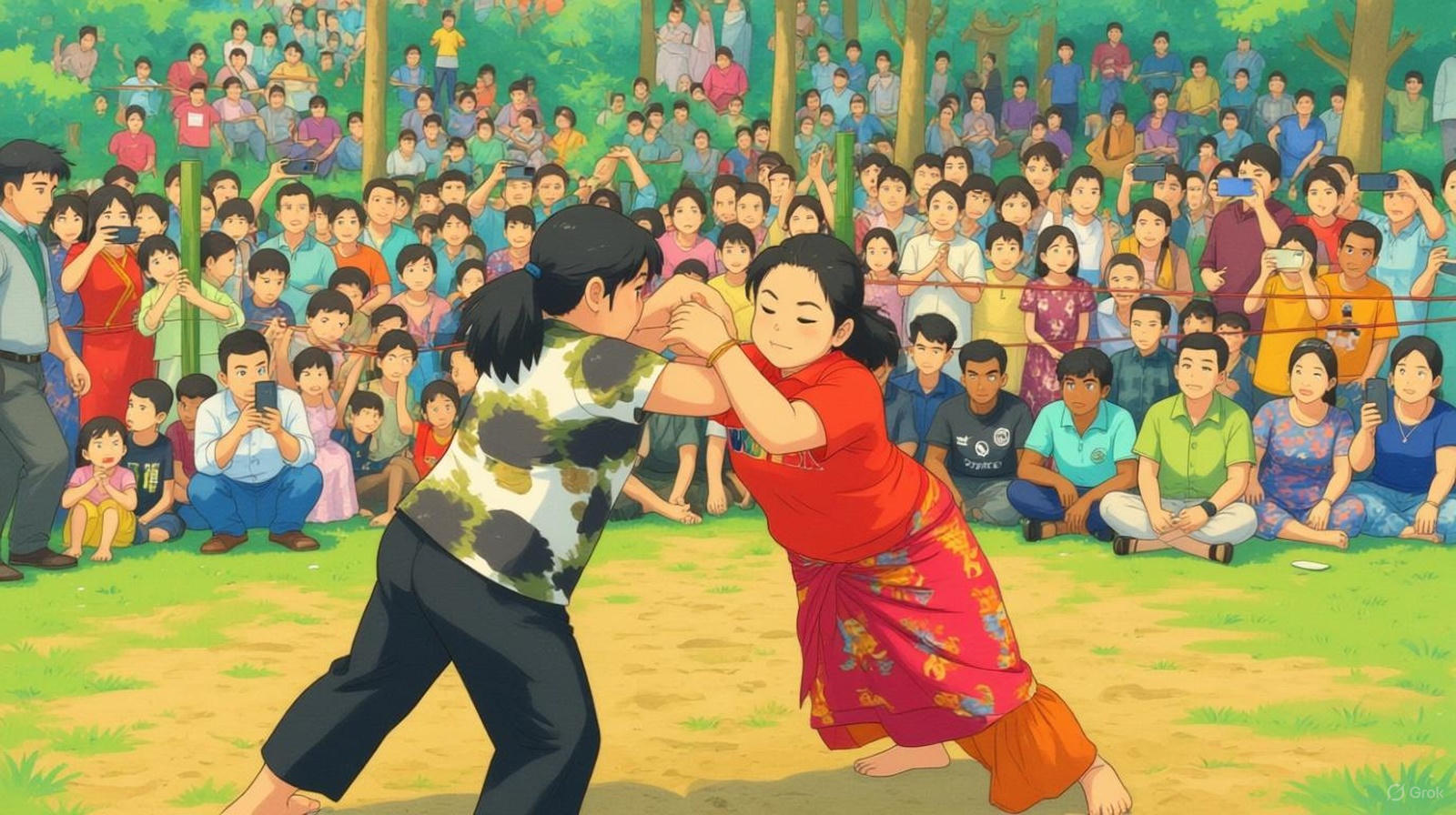
ဖျော်ဖြေရေးထက်ကျော်လွန်၍- ရိုးရာမာရ်မာအားကစား၏ ယဉ်ကျေးမှုကမ္ဘာ
Translated by U Wainnita
အားကစားသည် စစ်တကောင်းတောင်တန်းဒေသရှိ မာရ်မာလူမျိုးများအတွက် ဖျော်ဖြေရေးနည်းလမ်းတစ်ခုသာမက လူမှုဘဝ၊ ယဉ်ကျေးမှုနှင့် ရပ်ရွာဆက်ဆံရေး၏ အရေးကြီးသော အစိတ်အပိုင်းတစ်ခုလည်းဖြစ်သည်။ အခြားဌာနေတိုင်းရင်းသားများကဲ့သို့ပင် မာရ်မာလူမျိုးများသည် အားကစားမှတစ်ဆင့် ပျော်ရွှင်မှု၊ ပူးပေါင်းဆောင်ရွက်မှုနှင့် ကိုယ်ပိုင်လက္ခဏာတို့ကိုလည်း ဖွံ့ဖြိုးတိုးတက်စေသည်။ ဘောလုံး၊ ဘော်လီဘော၊ ကြက်တောင်နှင့် ခရစ်ကက်ကဲ့သို့သော ခေတ်မီနိုင်ငံတကာအားကစားများသည် ယခုအခါ ကျယ်ကျယ်ပြန့်ပြန့် ရေပန်းစားနေသော်လည်း ၎င်းတို့၏ ရိုးရာအားကစားများသည် မျိုးဆက်များ၏ ယဉ်ကျေးမှုအမှတ်တရများကို သယ်ဆောင်ထားဆဲဖြစ်ပြီး လူမှုရေးစည်းလုံးညီညွတ်မှုနှင့် ရပ်ရွာနှောင်ကြိုးများကို ခိုင်မာစေသည်။
ရိုးရာအစဉ်အလာအရ ဤဂိမ်းများကို ခြောက်သွေ့သောရာသီတွင် ပိုမိုကစားကြပြီး၊ ထိုအချိန်က လယ်ယာလုပ်ငန်းဖိအားနည်းပါးခဲ့သည်။ အထူးသဖြင့် ကလေးများသည် ၎င်းတို့၏အချိန်ကို အပြင်ဘက်တွင် ကစားကြသည်။ သို့သော် မကြာသေးမီနှစ်များအတွင်း ကျောင်းနှင့် ကျူရှင်ယဉ်ကျေးမှု၏ဖိအားကြောင့် အလိုအလျောက်ကစားရန် အခွင့်အလမ်းများကို လျော့နည်းစေခဲ့သည်။ ဤပြောင်းလဲမှုသည် ရုပ်ပိုင်းဆိုင်ရာ ဖွံ့ဖြိုးတိုးတက်မှုကို အဟန့်အတားဖြစ်စေရုံသာမက ကလေးများတွင် ပူးပေါင်းဆောင်ရွက်မှု၊ စာနာမှုနှင့် စုပေါင်းပျော်ရွှင်မှုစိတ်ဓာတ် ဖွံ့ဖြိုးတိုးတက်မှုကိုလည်း အဟန့်အတားဖြစ်စေသည်ဟု လူကြီးများက မကြာခဏ ညည်းတွားကြသည်။
မာရ်မာ ရပ်ရွာအားကစား
ခိုဂါင်း(အာလာ-ရီဟုလည်း လူသိများသည်)
မာရ်မာကလေးများ အကြိုက်ဆုံးဂိမ်း။ ၎င်းကို တစ်နှစ်ပတ်လုံး ကစားကြသည်။ ဂိမ်း၏အမည်သည် “ဂီလာ” ဟုခေါ်သော တောနွယ်ပင်တစ်မျိုး၏ အစေ့မှ ဆင်းသက်လာပြီး တစ်ခါတစ်ရံတွင် လုံးဝိုင်းပြီး တစ်ခါတစ်ရံတွင် လေးထောင့်ပုံစံရှိသည်။ အသင်းနှစ်သင်းသည် တူညီသောကစားသမားအရေအတွက်ဖြင့် ယှဉ်ပြိုင်ကြသည်။
ကွင်းပြင်ပေါ်တွင် တစ်တောင်ခန့်အကွာတွင် မျဉ်းနှစ်ကြောင်းဆွဲထားသည်။ ကစားသမားတစ်ဦးစီသည် ၎င်းတို့၏သတ်မှတ်ထားသောအပေါက်ထဲသို့ လေးထောင့်စေ့တစ်စေ့ထည့်ပါ။ ထို့နောက် လုံးဝိုင်းသောစေ့ကို ပြိုင်ဘက်၏စေ့ကိုထိမှန်ရန်အသုံးပြုသည်။ ကစားသမားများသည် ၎င်းတို့၏ခန္ဓာကိုယ်အစိတ်အပိုင်းအမျိုးမျိုး – နဖူး၊ လည်ပင်း၊ ပေါင်၊ ဒူး၊ ခြေဖဝါးနှင့် လက်ချောင်းထိပ်များအထိ လှိမ့်ခြင်းဖြင့် စေ့ကိုရိုက်ရန်ကြိုးစားသည်။
အောင်မြင်ပါက ကစားသမားသည် နောက်တစ်ဆင့်သို့တက်လှမ်းသည်။ မအောင်မြင်ပါက “ပုပ်” သို့မဟုတ် ဖယ်ရှားခံရမည်ဟု ကြေငြာသည်။ သို့သော် အသင်းရှိ အခြားသူတစ်ဦးအောင်မြင်ပါက “ပုပ်” ကစားသမားကို “လန်းဆန်းစေ” ပြီး ဂိမ်းထဲသို့ပြန်ခေါ်ဆောင်နိုင်သည်။ ပြိုင်ဘက်၏စေ့အားလုံးကို ထိမှန်သောအခါ အနိုင်ရသူကို ကြေငြာသည်။ ၎င်းသည် ရှည်လျားရှုပ်ထွေးပြီး အလွန်စိတ်ဝင်စားဖွယ်ကောင်းသော ဂိမ်းတစ်ခုဖြစ်ပြီး တစ်နေ့လုံးကြာမြင့်သည်။
ဘူးဒေါက်ကင်ဒေါက် (ဘူးသီးဆွဲဂိမ်း)
ဤဂိမ်းတွင် ကလေးများသည် တန်းစီထိုင်ပြီး ၎င်းတို့ရှေ့ရှိလူ၏ခါးကို ကိုင်ထားကြသည်။ ပထမဆုံးကစားသမားသည် တိုင် သို့မဟုတ် သစ်ပင်ပင်စည်ကို ခိုင်မြဲစွာကိုင်ထားပြီး ကျန်ကစားသမားများသည် နောက်တွင် သံကြိုးဖြင့် ချိတ်ဆက်ထားသည်။ နောက်ဆုံးကစားသမားက တုတ်တစ်ချောင်းကိုင်ပြီး “တွားသွား” သလို မျဉ်းတစ်ကြောင်းလုံးကို ရွှေ့ပါတယ်။ “တွားသွားဘူး” ဆိုတဲ့နာမည်က ရေထဲမှာ ယိမ်းနွဲ့နေတဲ့ ဘူးသီးတန်းရဲ့ အလားတူလှုပ်ရှားမှုကနေ ဆင်းသက်လာတာပါ။
လက်ချောင်းကဗျာဂိမ်း
ဤဂိမ်းသည် သီချင်းနှင့် စည်းချက်ကို လက်ချောင်းအမူအရာများဖြင့် ပေါင်းစပ်ထားသည်။ ကလေးသုံးလေးယောက်သည် ၎င်းတို့၏ လက်ညှိုးများကို ဝိုင်းရံထားသည်။ ကလေးတစ်ဦးသည် ကဗျာတစ်ပုဒ်ကို သီဆိုပြီး လက်ချောင်းတစ်ချောင်းချင်းစီကို ပုတ်ကာ အဆုံးတွင် အားလုံးက “ဗလေ လေလေ!” ဟု အဓိပ္ပာယ်ရသော “အဆုံး!” ဟု ပြောကြသည်။
လက်ခုပ်ကဗျာ
လက်ချောင်းကဗျာနှင့် ဆင်တူသော်လည်း ဤနေရာတွင် ကလေးများသည် ၎င်းတို့၏လက်များကို မြေပြင်ပေါ်တွင် စက်ဝိုင်းပုံစံ ထားကြသည်။ ကလေးတစ်ဦးသည် ကဗျာတစ်ပုဒ်ကို သီဆိုပြီး ၎င်းတို့၏လက်များကို တစ်ခုပြီးတစ်ခု ပုတ်ကြသည်။ ကဗျာကို အပြီးသတ်သော လက်ကို ဖယ်ရှားရမည်။ ဤနည်းဖြင့် လက်အားလုံးကို ဖယ်ရှားလိုက်သောအခါ ဂိမ်းပြီးဆုံးသည်။
ကင်းဆီး
ဤသည်မှာ “ကင်းဆီး” ၏ ရိုးရိုးဂိမ်းနှင့် ဆင်တူသည်။ ခုခံကာကွယ်သော ကစားသမားများသည် ကွင်းပေါ်တွင် ရေးဆွဲထားသော မျဉ်းများပေါ်တွင် ရပ်နေသောကြောင့် ပြိုင်ဘက်၏ တိုက်ခိုက်သူများသည် ၎င်းတို့ကို ကျော်ဖြတ်ပြီး အခြားအဆုံးသို့ မရောက်နိုင်ပါ။ တစ်စုံတစ်ယောက်သည် မျဉ်းတစ်ခုလုံးကို ဖြတ်ကျော်ပြီး ပြန်လာနိုင်ပါက အနိုင်ရသည်။ ၎င်းတို့ မအောင်မြင်ပါက တိုက်ခိုက်ရေးအဖွဲ့သည် ခုခံကာကွယ်သူများ ဖြစ်လာသည်။ ၎င်းသည် ဆယ်ကျော်သက်များကြားတွင် အထူးရေပန်းစားသည်။
မာဂြောင်
ကင်းဆီးရဲ့ မျိုးကွဲတစ်ခုပါ။ ဒီမှာ ကွင်းအလယ်မှာ အပိုလိုင်းတစ်ခုနဲ့ ကင်းသမားတစ်ယောက်ရှိတာကြောင့် ဂိမ်းကို ပိုခက်ခဲစေပါတယ်။
ဂဒူ(ကာဗာဒီ)
ခြောက်သွေ့တဲ့ရာသီမှာ ကစားကြပါတယ်။ တောင်အာရှရဲ့ လူကြိုက်များတဲ့ ကာဗာဒီ ဂိမ်းနဲ့ ဆင်တူတဲ့ ဒီဂိမ်းမှာ အသင်းနှစ်သင်းဟာ အချင်းချင်းရဲ့ နယ်မြေထဲကို ဝင်ရောက်ပြီး တိုက်ခိုက်ကာကွယ်ကြပါတယ်။ ခွန်အား၊ အမြန်နှုန်းနဲ့ ခံနိုင်ရည်ကို စမ်းသပ်ပါတယ်။
ဂျင်(ဂျင်သီး)
တမရမ်းသီးလိုမျိုး မာကျောတဲ့သစ်သားနဲ့ လုပ်ထားတဲ့ ကြီးမားတဲ့ ဂျင်ကို လွှဲတဲ့ဂိမ်းတစ်ခုပါ။ ဆယ်ကျော်သက်တွေက အဖွဲ့လိုက်ကစားလေ့ရှိပါတယ်။ ဂျင်ကို ကြိုးနဲ့လွှဲပြီး ပြိုင်ဘက်ရဲ့ latai ကို ရိုက်ပြီး ကျိုးစေပါတယ်။
ကြွီး (ကူရီ)
ဒါဟာ အရင်တုန်းက အသက်ကြီးတဲ့ အမျိုးသားတွေအတွက် ရေပန်းစားတဲ့ အပန်းဖြေမှုတစ်ခုပါ။ ဒါဟာ ခေတ်သစ် လိုဒူးဂိမ်းနဲ့ အလွန်ဆင်တူပါတယ်။ ဒီနေ့ခေတ်မှာ မျိုးသုဉ်းလုနီးပါးဖြစ်နေပေမယ့် အသက်ကြီးသူတွေက ဒီဂိမ်းကို နေ့လည်ခင်းပြီးရင် နာရီပေါင်းများစွာ ဘယ်လိုကစားခဲ့ကြလဲဆိုတာကို မှတ်မိကြပြီး အာရုံစိုက်ကစားကြပါတယ်။
အန် (အန်စာတုံးဂိမ်း)
ပွဲတော်ရာသီအတွင်း မာရ်မာရွာများတွင် အန်စာတုံးကို တစ်ချိန်က ကျယ်ကျယ်ပြန့်ပြန့် ကစားခဲ့ကြသည်။ ယနေ့ခေတ်တွင် ၎င်းသည် ပျောက်ကွယ်သွားတော့မည်ဖြစ်သည်။ လူငယ်မျိုးဆက်များစွာသည် ရိုးရာအပန်းဖြေမှု ပျောက်ကွယ်သွားခြင်းကို ညွှန်ပြသည့် ဂိမ်း၏စည်းမျဉ်းများကိုပင် မသိရှိကြပေ။
ဒေါ (သစ်သားအပိုင်းအစဂိမ်း)
အလွန်ရေပန်းစားသော မာရ်မာဂိမ်းများထဲမှ တစ်ခုဖြစ်ပြီး အထူးသဖြင့် သင်္ကြန်နှစ်သစ်ကူးပွဲတော်နှင့် ဆက်စပ်နေသည်။ ကွင်းပေါ်တွင် အတောင်သုံးဆယ်ခန့်အကွာတွင် မျဉ်းပြိုင်မျဉ်းနှစ်ကြောင်း ရေးဆွဲထားသည်။ တစ်ဖက်တွင် ကစားသမားအရေအတွက်အလိုက် သစ်သားအပိုင်းအစများ (ဒေါ) ကို ထားရှိသည်။ ပြိုင်ဘက်သည် တစ်ဖက်တွင်ရပ်ပြီး လေးလံသောကျောက်တုံးများ သို့မဟုတ် သံအပိုင်းအစများ (ကျောက်သီး) ဖြင့် ဒေါကို ထိမှန်ရန်ကြိုးစားသည်။
ဂိမ်းကို အဆင့်နှစ်ဆင့်ဖြင့် ကစားသည် – ပထမတွင် ရှေ့သို့သုံးပေပစ်ပြီးနောက် ရှေ့သို့တစ်ပေသာပစ်ခြင်းဖြင့် ကစားသည်။ အောင်မြင်သောရိုက်ချက်များသည် “ပုပ်သိုးနေသော” ကစားသမားများကို “လန်းဆန်းစေ” နိုင်သည်။ အသင်းတစ်သင်းစီတွင် တစ်ခါတစ်ရံတွင် ပါဝင်သူ ၃၀ မှ ၄၀ အထိရှိပြီး ဂိမ်းကို သီချင်းများ၊ ဗုံများနှင့် ပွဲတော်ပျော်ရွှင်မှုဖြင့် တစ်နေ့လုံး ကစားသည်။
ပံ (ဗျူဟာမြောက် ဘုတ်ဂိမ်း)
မာရ်မာလူ့အဖွဲ့အစည်းတွင် ပီရင်းဟုခေါ်သော ဘုတ်ဂိမ်းအမျိုးမျိုးကို ကျင့်သုံးလေ့ရှိပြီး ကစားသမားတစ်ဦးတည်း သို့မဟုတ် ကစားသမားနှစ်ဦးကြားတွင် ကစားကြသည်။ အဓိကအမျိုးအစားလေးမျိုးကို မြင်တွေ့နိုင်သည်-
ရီရှစ်ပီရင်း- အစက်ငါးစက် သို့မဟုတ် ခြောက်စက်ပါသော ဇယားကွက်ပေါ်တွင် တစ်ယောက်တည်းကစားသည်။ ရည်မှန်းချက်မှာ အပိုင်းအစအားလုံးကို တစ်ခုပြီးတစ်ခု ဖယ်ရှားရန်ဖြစ်သည်။ သူတော်စင်များနှင့် ရဟန်းများ၏ ဂိမ်းအဖြစ် လူသိများပြီး အာရုံစူးစိုက်မှု မြှင့်တင်ရန် အထောက်အကူပြုသည်။
ကျားစုယင်စု (ကျားနှင့် ယင်ကောင်များ)- စတုရန်းဘုတ်တစ်ခုပေါ်တွင် “ကျား” နှစ်ကောင်နှင့် “ယင်ကောင်” နှစ်ဆယ်ရှိသည်။ ကျားသည် ခုန်ခြင်းဖြင့် ယင်ကောင်များကို “စား” ပြီး ယင်ကောင်များသည် ဘုတ်ကိုဖြည့်ခြင်းဖြင့် ကျားကို ထောင်ချောက်ဆင်ရန် ကြိုးစားသည်။
ဝက်ခေါင်းပံ (ဝက်ခေါင်းပီရင်း)- အစက် ၃၇ ပါ ဘုတ်ပေါ်ရှိ ပြိုင်ဘက်နှစ်ဦးကြား ကစားနည်းတစ်ခုဖြစ်ပြီး အပိုင်းအစများကို ခုန်ခြင်းဖြင့် ပြိုင်ဘက်၏ အပိုင်းအစများကို ဖယ်ရှားပြီး ဖယ်ရှားရမည်ဖြစ်သည်။
အခြားမျိုးကွဲများတွင် ရုပ်ပိုင်းဆိုင်ရာထက် စိတ်ပိုင်းဆိုင်ရာ ကျွမ်းကျင်မှုကို စမ်းသပ်ခြင်းဖြစ်သည့် ဖယ်ရှားခြင်း သို့မဟုတ် ထောင်ချောက်ဆင်ခြင်း နည်းစနစ်များ ပါဝင်သည်။
ခေတ်ပြိုင်ပြောင်းလဲမှုများ
လက်ရှိတွင် မာရ်မာကလေးများနှင့် လူငယ်များသည် ဘောလုံးနှင့် ခရစ်ကက်ကဲ့သို့သော နိုင်ငံတကာအားကစားများကို ပိုမိုအာရုံစိုက်လာကြသည်။ သို့သော် ရိုးရာဂိမ်းများ၏ ရေပန်းစားမှုသည် တဖြည်းဖြည်း ကျဆင်းလာနေသည်။ ခေတ်သစ်ပညာရေး၊ မြို့ပြဘဝနှင့် ယဉ်ကျေးမှုပြောင်းလဲမှုများကြောင့် ရှေးဟောင်းဂိမ်းများသည် ယခုအခါ အသက်ကြီးသူများ၏ မှတ်ဉာဏ်များတွင်သာ ကန့်သတ်ထားသည်။
သို့သော် မာရ်မာရိုးရာဂိမ်းများသည် အချိန်ဖြုန်းရန် နည်းလမ်းတစ်ခုမျှသာ မဟုတ်ဘဲ ၎င်းတို့၏ စုပေါင်းမှတ်ဉာဏ်၊ တီထွင်ဖန်တီးနိုင်စွမ်း၊ လူမှုရေးတန်ဖိုးများနှင့် ရုပ်ပိုင်းဆိုင်ရာ ဖော်ပြမှုတို့၏ အစဉ်အလာတစ်ခုဖြစ်သည်။ ခွန်ယန် သို့မဟုတ် ဒါကို ယနေ့ခေတ်ပွဲတော်များတွင် မြင်တွေ့နေရဆဲဖြစ်သော်လည်း ဂိမ်းများစွာသည် မျိုးသုဉ်းလုနီးပါးဖြစ်နေသည်။ ဤရိုးရာဂိမ်းများကို မှတ်တမ်းတင်ခြင်း၊ ထိန်းသိမ်းခြင်းနှင့် ပြန်လည်ရှင်သန်စေရန် အလွန်အရေးကြီးပါသည် – အဘယ်ကြောင့်ဆိုသော် ၎င်းတို့သည် ဖျော်ဖြေရေးတစ်ခုသာမက မာရ်မာလူမျိုးစုနှင့် စစ်တကောင်းတောင်တန်းဒေသများ၏ ပိုမိုကြီးမားသော ယဉ်ကျေးမှုအမွေအနှစ်၏ မရှိမဖြစ်အစိတ်အပိုင်းတစ်ခုလည်းဖြစ်သောကြောင့်ဖြစ်သည်။
Beyond Leisure: The Cultural World of Marma Traditional Games
Among the Marma community of the Chittagong Hill Tracts, games and sports have long served as an integral part of social life, recreation, and cultural expression. Much like other indigenous peoples, the Marma practice both unique, community-specific games, as well as sports that share similarities with neighboring ethnic groups. While modern international sports such as football, volleyball, badminton, and cricket are now widely played, a large corpus of indigenous games still carries cultural memory, shaping collective identity and fostering social cohesion.
Traditionally, these games were most often played during the dry season when agricultural labor was lighter. Children, in particular, once devoted much of their day to outdoor play, though in recent years the pressure of schooling and the culture of private tuition have reduced opportunities for spontaneous play and interaction. Elders within the community often reflect on the fact that these shifts not only hinder physical development but also restrict opportunities for children to build bonds of cooperation, empathy, and shared joy.
Games of the Marma
Kho-ngyang (also known as Ala:-Re)
Perhaps the most beloved children’s game among the Marma is Kho-ngyang, played year-round. The game is named after ghila, the seed of a wild creeper fruit, which comes in both round and square shapes. Two opposing teams, with equal numbers of players, compete using these seeds.
The game field is prepared by drawing two parallel lines about twelve cubits apart, within which players place square-shaped seeds in small pits, each seed assigned to a specific player. Using a round seed, players attempt to strike their designated seed through a series of elaborate stages. These stages involve rolling the round seed from various parts of the body—forehead, neck, thigh, knee, feet, and even toes—before flicking it with the fingers to hit the target.
Success advances the player to the next stage, while failure results in temporary elimination, or being declared “rotten.” A successful teammate can, however, revive an eliminated player by hitting the target in their stead, making them “fresh” again. Victory is claimed by the team that successfully strikes down all opponent seeds. Kho-ngyang is complex, time-consuming, and highly engaging, often absorbing children for entire days.
Bu-Dok-Kang-Dok (Bottle Gourd Ride)
A simple yet joyful children’s game, this involves participants sitting in a line, each holding the waist of the person in front. The first player grips a post or support firmly, while the rest form a chain behind. The final player uses a stick or pole to “ride” the line. The game is reminiscent of the motion of bottle gourds linked together, hence the name.
Finger Rhymes
This game combines song with playful hand movements. A group of three or four children link their raised index fingers in sequence, while one child chants a rhyme, gently tapping each finger until all are “raised” or withdrawn. The conclusion is marked by a collective exclamation, “Ble-le-le” (all finished).
Hand-Palm Rhymes
Similar to finger rhymes, but here children place their palms on the ground in a circle. One child moves around, tapping hands in rhythm with a rhyme. The hand upon which the rhyme ends must be withdrawn. The process continues until no hands remain, signaling the end of the game.
Kangchi
Comparable to the lowland game dariabandha, Kangchi involves defensive and offensive maneuvers along drawn lines. Players stand guard at designated points, preventing opponents from crossing to the opposite end. Success is achieved when an attacker crosses the entire sequence of lines back and forth without being touched by defenders. Failure results in role reversal, with the attackers becoming defenders. This is particularly popular among adolescents.
Magrong
A variant of Kangchi, the difference lies in the presence of a central longitudinal line with an additional guard, making the game slightly more challenging.
Gadu (Kabaddi)
Played during the dry season, Gadu resembles the well-known South Asian sport of kabaddi. Two teams attempt to raid and defend territories, requiring strength, agility, and endurance.
Gyang (Spinning Top)
This is a traditional top-spinning game using large, hand-carved wooden tops made from hardwood such as tamarind. Played primarily by older boys in teams, the tops are spun with cords and then hurled at opponents’ tops with enough force to split weaker wood.
Krui (Board Game)
Once a favorite pastime of elderly men, Krui resembles modern-day ludo. Although it has largely fallen out of practice, oral accounts recall long afternoons spent in concentrated play.
Aing (Dice Game)
Dice games were once widely played in Marma villages, especially during festivals, but today they are almost forgotten. Younger generations are often unfamiliar with the rules, underscoring the decline of traditional recreational practices.
Da: (Wooden Block Game)
Among the most popular Marma games, Da: is closely tied to the Sangrai New Year festival. Two parallel lines are drawn in a field, about thirty cubits apart. On one line, wooden blocks (Da:)—either square or crescent-shaped planks—are placed according to the number of players. Opponents stand at the other line, aiming to strike the Da: with heavy throwing stones or iron weights (Shil).
The game proceeds in two stages: first by advancing three steps before throwing, and later by advancing only one step. Reviving “rotten” teammates is also possible through successful hits. Large groups, sometimes 30–40 players per side, participate, and games can last entire days, accompanied by songs, music, and communal festivity.
Peing (Strategic Board Games)
The Marma also have an extensive tradition of Peing board games, played either individually or between two opponents, using drawn grids or carved boards. Four main types are common:
Rishik-Peing: Played solo on five- or six-pointed grids, requiring a player to remove all pieces through sequential “jumps.” Traditionally associated with sages and ascetics, the game is believed to enhance concentration.
Kya-Juk Yyang-Juk (Tiger and Flies): Played on a square grid with two large “tigers” and twenty small “flies.” The tiger attempts to “eat” flies by jumping over them, while the flies aim to trap the tiger by filling the board.
Wok-Gong Peing (Pig-Head Peing): A two-player strategy game played on a 37-point grid, where each side seeks to eliminate the opponent’s pieces by capturing them through jumps.
Other variations involve simple elimination or trapping strategies, requiring mental acuity rather than physical exertion.
Contemporary Shifts
In addition to these indigenous games, Marma children and youth today engage in globally recognized sports such as football and cricket. However, the decline of traditional games is visible, accelerated by modern education pressures, urban migration, and shifting cultural priorities. Games once central to childhood are now remembered largely by elders, raising concerns about their transmission to future generations.
The traditional games of the Marma community are more than mere pastimes—they embody collective memory, creativity, social values, and physical expression. While some games, such as Kho-ngyang or Da:, retain visibility during festivals, many others face gradual disappearance. Documenting, preserving, and revitalizing these indigenous sports is essential not only for cultural continuity but also for sustaining the Marma way of life as part of the broader heritage of the Chittagong Hill Tracts.
বিনোদনের সীমা ছাড়িয়ে: প্রথাগত মারমা খেলাধুলার সাংস্কৃতিক জগৎ
চট্টগ্রাম পার্বত্য অঞ্চলের মারমা জনগোষ্ঠীর জীবনে খেলাধুলা (আক্জা) কেবল বিনোদনের উপকরণ নয়, বরং সামাজিক জীবন, সংস্কৃতি ও সম্প্রদায়িক সম্পর্কের একটি গুরুত্বপূর্ণ অংশ। অন্যান্য আদিবাসী জনগোষ্ঠীর মতো মারমারাও খেলাধুলার মাধ্যমে আনন্দ, সহযোগিতা, ও আত্মপরিচয় গড়ে তোলে। আধুনিক আন্তর্জাতিক খেলা—যেমন ফুটবল, ভলিবল, ব্যাডমিন্টন ও ক্রিকেট—এখন ব্যাপকভাবে জনপ্রিয় হলেও, তাদের ঐতিহ্যবাহী খেলাধুলা আজও বহন করছে প্রজন্মের সাংস্কৃতিক স্মৃতি, যা সামাজিক ঐক্য ও সম্প্রদায়িক বন্ধনকে দৃঢ় করে।
প্রথাগতভাবে এসব খেলা সাধারণত শুকনো মৌসুমে, অর্থাৎ কৃষিকাজের চাপ কম থাকলে, বেশি খেলা হতো। বিশেষ করে শিশুদের সময় কাটত বাইরের খেলায়। কিন্তু সাম্প্রতিক বছরগুলোতে বিদ্যালয়ের চাপ ও টিউশন সংস্কৃতির কারণে সেই স্বতঃস্ফূর্ত খেলাধুলার সুযোগ অনেকটাই কমে গেছে। প্রবীণেরা প্রায়ই আক্ষেপ করে বলেন—এই পরিবর্তন কেবল শারীরিক বিকাশে বাধা সৃষ্টি করছে না, বরং শিশুদের মধ্যে সহযোগিতা, সহমর্মিতা ও যৌথ আনন্দবোধের বিকাশও ব্যাহত করছে।
মারমা সম্প্রদায়ের খেলাধুলা
খোঙ্যাং (আলাঃ-রে নামেও পরিচিত)
মারমা শিশুদের সবচেয়ে প্রিয় খেলা। এটি সারা বছরই খেলা হয়। খেলার নামটি এসেছে এক ধরনের বন্য লতার বীজ “ঘিলা” থেকে—যা কখনও গোল, কখনও চৌকো হয়। দুই দল সমান সংখ্যক খেলোয়াড় নিয়ে প্রতিদ্বন্দ্বিতা করে।
মাঠে দুটি সমান্তরাল রেখা টানা হয়, প্রায় বারো হাত দূরে। প্রতিটি খেলোয়াড় নিজের নির্দিষ্ট গর্তে চৌকো বীজ রাখে। এরপর প্রতিপক্ষের বীজ আঘাত করার জন্য গোল বীজ ব্যবহার করা হয়। খেলোয়াড়েরা বিভিন্ন অঙ্গ দিয়ে—কপাল, ঘাড়, উরু, হাঁটু, পা, এমনকি আঙুলের ডগা ব্যবহার করে—বীজ গড়িয়ে আঘাত করার চেষ্টা করে।
সফল হলে খেলোয়াড় পরের ধাপে অগ্রসর হয়, ব্যর্থ হলে “পচা” বা বাদ ঘোষিত হয়। তবে দলের অন্য কেউ সফল হলে সেই “পচা” খেলোয়াড়কে “তাজা” করে আবার খেলায় ফিরিয়ে আনা যায়। সব প্রতিপক্ষ বীজ আঘাত করতে পারলেই জয়ী ঘোষণা হয়। এটি দীর্ঘ, জটিল ও অত্যন্ত আকর্ষণীয় খেলা—একটানা পুরো দিন পর্যন্ত চলে।
বু-দক-কাং-দক্ (লাউ চড়া খেলা)
এই খেলায় শিশুরা সারিবদ্ধভাবে বসে, প্রত্যেকে সামনের জনের কোমর ধরে। প্রথম খেলোয়াড় শক্তভাবে একটি খুঁটি বা গাছের কাণ্ড ধরে থাকে, বাকিরা পিছনে চেইনের মতো যুক্ত হয়। শেষের খেলোয়াড় একটি কাঠি ধরে পুরো লাইনটি “চড়ার” মতো নড়াচড়া করে। লাউয়ের সারি যেমন পানিতে দুলে চলে, তার অনুরূপ গতির জন্যই নাম—“লাউ চড়া খেলা।”
আঙুল ছড়ার খেলা
এই খেলায় গান ও ছন্দের সঙ্গে আঙুলের অঙ্গভঙ্গি যুক্ত থাকে। তিন-চারজন শিশু তাদের তর্জনী আঙুল জুড়ে একটি বৃত্ত তৈরি করে। একজন শিশু ছড়া গাইতে গাইতে প্রতিটি আঙুলে আলতো চাপ দেয়, শেষে সবাই মিলে বলে ওঠে—“ব্লে-লে-লে!” অর্থাৎ “শেষ!”
হাততালি ছড়া
আঙুল ছড়ার মতোই, তবে এখানে শিশুরা মাটিতে বৃত্তাকারে হাত রাখে। একজন ছড়া গাইতে গাইতে একের পর এক হাত টোকা দেয়। যে হাতে ছড়া শেষ হয়, সেটি সরাতে হয়। এভাবে সব হাত সরিয়ে ফেললেই খেলার সমাপ্তি।
কাংছি
এটি সমতলের “দাড়িয়াবান্ধা” খেলার অনুরূপ। মাঠে আঁকা রেখাগুলির ওপর প্রতিরক্ষাকারী খেলোয়াড়েরা দাঁড়িয়ে থাকে, যাতে প্রতিপক্ষের আক্রমণকারী তাদের পাশ কাটিয়ে অপর প্রান্তে যেতে না পারে। কেউ যদি পুরো রেখাগুলো পেরিয়ে ফিরে আসতে পারে, সে জয়ী। ব্যর্থ হলে আক্রমণকারী দল প্রতিরক্ষাকারীতে পরিণত হয়। এটি কিশোরদের মধ্যে বিশেষ জনপ্রিয়।
মাগ্রং
কাংছি খেলারই একটি রূপভেদ। এখানে মাঠের মাঝ বরাবর একটি অতিরিক্ত রেখা ও প্রহরী থাকে, যা খেলাটিকে আরও কঠিন করে তোলে।
গদু
শুকনো মৌসুমে খেলা হয়। দক্ষিণ এশিয়ার জনপ্রিয় কাবাডির অনুরূপ এই খেলায় দুই দল একে অপরের এলাকায় ঢুকে আক্রমণ ও প্রতিরক্ষা করে। এতে শক্তি, দ্রুততা ও সহনশীলতার পরীক্ষা হয়।
গ্যাং (লাটাই খেলা)
কঠিন কাঠ, যেমন তেঁতুল কাঠ দিয়ে তৈরি বড় লাটাই ঘুরানোর খেলা। সাধারণত কিশোররা দল বেঁধে খেলে। দড়ি দিয়ে লাটাই ঘুরিয়ে প্রতিপক্ষের লাটাইয়ে আঘাত করে ফাটিয়ে দেওয়া হয়।
ক্রুই (কড়ি)
অতীতে প্রবীণ পুরুষদের জনপ্রিয় বিনোদন ছিল এটি। বর্তমানের লুডো খেলার সঙ্গে অনেকটা সাদৃশ্যপূর্ণ। যদিও আজ এটি প্রায় বিলুপ্ত, তবু বয়োজ্যেষ্ঠরা স্মরণ করেন কীভাবে দুপুরের পর দীর্ঘ সময় ধরে তারা মনোযোগ দিয়ে এই খেলা খেলতেন।
এইং (পাশা খেলা)
একসময় উৎসবের মৌসুমে মারমা গ্রামগুলোতে পাশা খেলা হতো ব্যাপকভাবে। আজ তা প্রায় হারিয়ে গেছে। তরুণ প্রজন্মের অনেকেই খেলার নিয়মই জানে না, যা ঐতিহ্যবাহী বিনোদনের বিলুপ্তির ইঙ্গিত দেয়।
দঃ (কাঠের টুকরো খেলা)
মারমাদের সবচেয়ে জনপ্রিয় খেলাগুলোর একটি, যা বিশেষত সাংগ্রাইং নববর্ষ উৎসবের সঙ্গে জড়িত। মাঠে দুটি সমান্তরাল রেখা টানা হয়, প্রায় ত্রিশ হাত দূরে। এক প্রান্তে খেলোয়াড়ের সংখ্যা অনুযায়ী কাঠের টুকরো (দঃ) রাখা হয়। প্রতিপক্ষ অন্য প্রান্তে দাঁড়িয়ে ভারী পাথর বা লোহার টুকরো (শিল) ছুঁড়ে দা: আঘাত করার চেষ্টা করে।
খেলা দুটি ধাপে চলে—প্রথমে তিন পা এগিয়ে ছোড়া, পরে মাত্র এক পা এগিয়ে। সফল আঘাতের মাধ্যমে “পচা” খেলোয়াড়দের “তাজা” করা যায়। প্রতিটি দলে কখনও ৩০–৪০ জন পর্যন্ত অংশ নেয়, এবং খেলা চলে দিনভর, গান, ঢোল ও উৎসবের আনন্দে।
পেইং (কৌশলনির্ভর বোর্ড খেলা)
মারমা সমাজে পেইং নামের নানা বোর্ড খেলার ঐতিহ্য রয়েছে, যা একক বা দুই খেলোয়াড়ের মধ্যে খেলা হয়। চারটি প্রধান ধরন দেখা যায়—
- রিশিক পেইং: এককভাবে খেলা হয়, পাঁচ বা ছয় বিন্দু বিশিষ্ট জালে। লক্ষ্য থাকে সব ঘুটি একে একে বাদ দেওয়া। সাধু ও সন্ন্যাসীদের খেলা হিসেবে খ্যাত, যা মনসংযোগ বৃদ্ধিতে সহায়ক।
- ক্যা-জুক্ ইয়্যাং-জুক্ (বাঘ ও মাছি): একটি বর্গাকার বোর্ডে দুইটি “বাঘ” ও বিশটি “মাছি” থাকে। বাঘ লাফিয়ে মাছি “খায়”, মাছিরা বোর্ড পূর্ণ করে বাঘকে আটকে ফেলার চেষ্টা করে।
- ওয়ক্-গং পেইং (শূকরের মাথা পেইং): ৩৭ বিন্দুর বোর্ডে দুই প্রতিপক্ষের খেলা, যেখানে ঘুটি লাফিয়ে প্রতিপক্ষের ঘুটি বাদ দিতে হয়।
অন্যান্য রূপভেদে বাদ দেওয়া বা ফাঁদে ফেলার কৌশল থাকে—যা শারীরিক নয়, মানসিক দক্ষতার পরীক্ষা।
সমকালীন পরিবর্তন
বর্তমানে মারমা শিশু ও তরুণরা ফুটবল, ক্রিকেটের মতো আন্তর্জাতিক খেলায় বেশি মনোযোগী। তবে প্রথাগত খেলাগুলোর জনপ্রিয়তা ক্রমেই হ্রাস পাচ্ছে। আধুনিক শিক্ষা, শহরমুখী জীবন ও সাংস্কৃতিক পরিবর্তনের ফলে পুরোনো খেলাগুলো এখন প্রবীণদের স্মৃতিতেই সীমাবদ্ধ।
তবুও মারমা প্রথাগত খেলাধুলা কেবল সময় কাটানোর মাধ্যম নয়—এগুলোই তাদের সামষ্টিক স্মৃতি, সৃজনশীলতা, সামাজিক মূল্যবোধ ও শারীরিক প্রকাশের এক ঐতিহ্য। খোঙ্যাং বা দঃ আজও উৎসবে দেখা যায়, কিন্তু অনেক খেলা বিলুপ্তির পথে। এই ঐতিহ্যবাহী খেলাগুলো নথিবদ্ধ, সংরক্ষণ ও পুনর্জীবিত করা অত্যন্ত প্রয়োজন—কারণ এগুলো কেবল বিনোদনের নয়, বরং মারমা জাতিসত্তা ও পার্বত্য চট্টগ্রামের বৃহত্তর সাংস্কৃতিক ঐতিহ্যের অবিচ্ছেদ্য অংশ।