
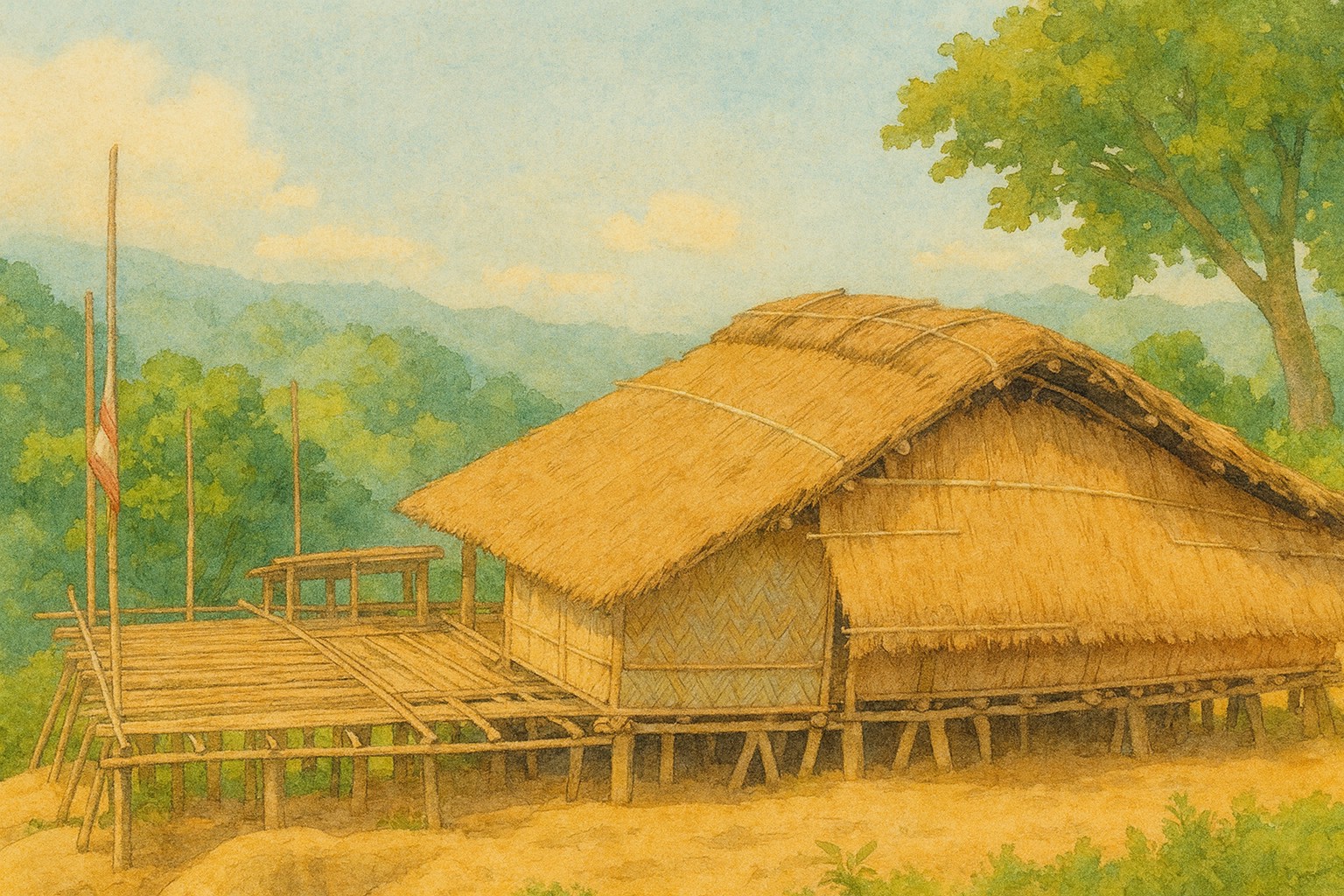
မြေယာနှင့် အတူယှဉ်တွဲနေထိုင်ခြင်း– မာရ်မာလူမျိုးများ၏ ရိုးရာဗိသုကာလက်ရာ-
Translated by U Wainnita
မာရ်မာလူမျိုးများ၏ ရိုးရာဗိသုကာလက်ရာသည် တောင်တန်းရာသီဥတုနှင့် မြေမျက်နှာသွင်ပြင်ကို လိုက်လျောညီထွေဖြစ်အောင် နေထိုင်ခြင်း၏ ရလဒ်တစ်ခုသာမက ၎င်းတို့၏ ယဉ်ကျေးမှုလက္ခဏာ၊ ဝိညာဉ်ရေးရာယုံကြည်ချက်များနှင့် ပတ်ဝန်းကျင်ဆိုင်ရာ အသိအမြင်တို့ကို မြင်သာထင်ရှားစွာ ဖော်ပြချက်တစ်ခုဖြစ်သည်။ စစ်တကောင်းတောင်တန်းဒေသများ၏ ဝေးလံခေါင်သီသော တောင်တန်းဒေသများတွင် ရာစုနှစ်များစွာ ရှင်သန်ခဲ့သော ဤဗိသုကာပုံစံသည် လုပ်ဆောင်ချက်ဆိုင်ရာ အသိဉာဏ်နှင့် သင်္ကေတအဓိပ္ပာယ်ကို ပေါင်းစပ်ထားသည်။ သစ်သားနှင့်တည်ဆောက်တယ်မြင့်သောစင်၊ ဝါးနံရံများနှင့် စောင်းနေသောအမိုးများသည် နည်းပညာပိုင်းဆိုင်ရာ အင်္ဂါရပ်များသာမက ဘဝ၏ အခြေခံအတွေးအခေါ်တစ်ခုကို ထင်ဟပ်စေပါသည်။ ဗုဒ္ဓဘာသာအတွေးအခေါ်နှင့် ဒေသခံစကြဝဠာဗေဒယုံကြည်ချက်များသည် အိမ်ဆောက်လုပ်ခြင်းဆိုင်ရာလမ်းညွှန်ချက်များ၊ ဓလေ့ထုံးတမ်းများနှင့် ထုံးတမ်းစဉ်လာများတွင် ဆက်စပ်နေပါသည်။ ယနေ့ခေတ်တွင် ခေတ်မီဆန်းသစ်မှုနှင့် ကွန်ကရစ်ဗိသုကာလက်ရာများသည် စစ်တကောင်းတောင်တန်းဒေသများရှိ ရိုးရာအခြေချနေထိုင်မှုများကို အလျင်အမြန် အစားထိုးနေချိန်တွင်လည်း မာရ်မာဗိသုကာလက်ရာများက ယဉ်ကျေးမှုနှင့် သဘာဝတရားတို့ မည်သို့အတူယှဉ်တွဲနေထိုင်ခြင်းသည် ရေရှည်တည်တံ့နိုင်ကြောင်း ကျွန်ုပ်တို့အား သင်ကြားပေးနေဆဲဖြစ်သည်။ ဤမှတ်ပုံတင်စာရင်းသည် ကွင်းဆင်းလေ့လာတွေ့ရှိချက်များ၊ နှုတ်ဖြင့်သက်သေခံချက်များနှင့် ဒုတိယရင်းမြစ်များအပေါ် အခြေခံ၍ မာရ်မာအိမ်များ၏ ဗိသုကာဆိုင်ရာအင်္ဂါရပ်များ၊ ဆောက်လုပ်ရေးနည်းလမ်းများနှင့် ယဉ်ကျေးမှုဆိုင်ရာ အရေးပါမှုကို မီးမောင်းထိုးပြထားသည်။
*မာရ်မာလူ့အဖွဲ့အစည်း၏ လူမှုရေးနှင့် ယဉ်ကျေးမှုဆိုင်ရာ အခြေအနေ-
မာရ်မာလူမျိုးများသည် စစ်တကောင်းတောင်တန်းဒေသတွင် ဒုတိယအကြီးဆုံး ဌာနေတိုင်းရင်းသားလူဦးစုဖြစ်ပြီး ၎င်းတို့၏ဘိုးဘွားများသည် မြန်မာနိုင်ငံရခိုင်ဒေသမှ ဆင်းသက်လာသူများဖြစ်သည်။ စစ်တကောင်းတောင်တန်းနယ်သည် ရှေ့အခါ ရခိုင်ဘရင်ချုပ်ထားသောဒေသရှိခဲ့သည်။ ၎င်းတို့သည် ထေရဝါဒဗုဒ္ဓဘာသာကို ကိုးကွယ်ကြပြီး ဆွေမျိုးတော်စပ်မှု၊ ရွာကောင်စီများနှင့် ရဟန်းသံဃာများ ဦးဆောင်သော လူမှုရေးဖွဲ့စည်းပုံအတွင်း နေထိုင်ကြသည်။ သူတို့ရဲ့ အသက်မွေးဝမ်းကျောင်းမှုဟာ ယာစိုက်ပျိုးခြင်း၊ ရက်ကန်းရက်ခြင်းနှင့် အနည်းအငယ် ကြက်ဝက်နွားစသည် အမွေးစားမြူရေးတို့အပေါ် မှီခိုအားထားရပါတယ်။ ဘဝ၏ အခြေခံမူများမှာ အလယ်အလတ်ဖြစ်ခြင်း၊ အပြန်အလှန်ပူးပေါင်းစုကူညီဆောင်ရွက်မှုနှင့် ဝိညာဉ်ရေးရာ အလေ့အကျင့်တို့ဖြစ်သည်။ ဤလူမှုရေးဆိုင်ရာ အခြေအနေမှ မာရ်မာဗိသုကာလက်ရာ၏ ယဉ်ကျေးမှုဆိုင်ရာ မူဘောင် ဖွံ့ဖြိုးတိုးတက်လာခဲ့သည်။ အိမ်၏ အရှေ့ဘက်သို့ မျက်နှာမူထားခြင်း၊ ဆောက်လုပ်ခြင်းမပြုမီ ကိုယ်စောင့်နတ် ရှောက်ပေးသော သမ္မာဒေဝနတ်များကို တိုင်တန်းခြင်းနှင့် ရွာသားများ၏ စုပေါင်းလုပ်အားများသည် ကျွန်ုပ်တို့၏ ဝိညာဉ်ရေးရာအမြင်၊ သဘာဝနှင့် ဆက်သွယ်မှုနှင့် စုပေါင်းအသိစိတ်ကို ထင်ဟပ်စေသည်။
*အခြေချနေထိုင်မှုပုံစံနှင့် အိမ်တည်နေရာ-
မာရ်မာရွာများ သို့မဟုတ် ရပ်ကွက်များသည် မိသားစု ၁၀ မှ ၁၅ စုဖြင့် ဖွဲ့စည်းထားပြီး ကွေ့ကောက်သော တောင်လမ်းများတစ်လျှောက်တွင် တန်းစီတည်ရှိကြသည်။ အိမ်တွေကို တတ်နိုင်သမျှ အရှေ့ဖက်ကို မျက်နှာပြု၍ ဆောက်လုပ်ကြပါတယ်၊ ဒါဟာ အဆင်ပြေမှုပြဿနာ မဟုတ်ပါဘူး၊ ယုံကြည်မှုကို ထင်ဟပ်ပြတာပါ။ မာရ်မာလူမျိုအစဉ်အလာပုံပြင်များအရ ဂေါတမမြတ်စွာဘုရားသည် သဗ္ဗညုတရွှေဉာဏ်တော်ကိုရပြီးနောက် ရှေ့ရှေ့ကမြတ်ဗုဒ္ဓအားလုံးသည် အရှေ့ဘက်သို့ မျက်နှာမူ၍ တရားထိုင်ခဲ့ကြသည်ကို သတိပြုမိခဲ့သည်ဟု ဆိုသည်။ ထို့ကြောင့် မာရ်မာအိမ်များကိုလည်း အရှေ့ဘက်သို့ မျက်နှာမူ၍ ဆောက်လုပ်ထားသောကြောင့် အိမ်တွင်းရေးအိမ်ထောင်ရေးသည် စကြဝဠာ၏ ကောင်းမြတ်သောမင်္ဂလာနှင့် ညီညွတ်ပါသည်။ အိမ်များတွင် အုတ်ကွင်းခြံစည်းရိုးများ မရှိသောကြောင့် အိမ်နီးချင်းများ လွတ်လပ်စွာ သွားလာလှုပ်ရှားနိုင်ခြင်းနှင့် လူမှုဆက်ဆံရေးတို့ကို ခွင့်ပြုပါသည်။ အိမ်၏ လသာဆောင်များနှင့် ပွင့်လင်းသော တမျင်းကို လူမှုရေးစုဝေးမှုများ၊ ရက်ကန်းရက်ခြင်း၊ သီးနှံများ လှန်းခြင်းနှင့် ပွဲတော်များကျင်းပခြင်းအတွက် အဓိကနေရာများအဖြစ် အသုံးပြုကြသည်။
*အိမ်ဆောက်လုပ်ခြင်း၏ ထုံးတမ်းစဉ်လာများနှင့် သင်္ကေတများ-
မာရ်မာလူမျိုးအဖွဲ့အစည်းတွင် အိမ်ဆောက်လုပ်ခြင်းသည် မြတ်ဗုဒ္ဓ၏ယုံကြည်ချက်များနှင့် ရှေးဟောင်းဝိညာဉ်ရေးရာဗဟုသုတများ ရောနှော၍ ဆောင်ရွက်သော သန့်ရှင်းပြီး ရိုးရာဓလေ့ထုံးတမ်းစဉ်လာဆိုင်ရာ လုပ်ငန်းစဉ်တစ်ခုဖြစ်သည်။
ကောင်းချီးမင်္ဂလာရှိသောရက်များကို ဆုံးဖြတ်ခြင်း-
အိမ်တစ်အိမ်၏ ပထမဆုံးအုတ်မြစ်ချမည့်နေ့ကို ရွာလူကြီး သို့မဟုတ် နက္ခတ်ဗေဒင်ဆရာက မင်္ဂလာဆောင်ခဲ့သည်။ ၎င်းတွင် အိမ်ရှင်၏မွေးသက္ကရာဇ်၊ ရာသီခွင်နှင့် ကြယ်နက္ခတ်များ၏အနေအထားကို ကြည့်၍လုပ်ဆောင်ကြသည်။
ကမ္ဘာမြေကို စောင့်ရှောက်သူ (နာဂါး) ကို ချော့မော့ခြင်း-
မာရ်မာလူမျိုးများက မြေကြီးအောက်တွင် နေထိုင်သော နာဂါးမင်းသည် သူ၏တည်နေရာကို သုံးလတစ်ကြိမ် ပြောင်းလဲလေ့ရှိပြီး နာဂါးမင်းကို ရိုသေလေးစားခြင်းမရှိဘဲ တိုင်တစ်တိုင် စိုက်ထူပါက (အမင်္ဂလာ)ကံဆိုးမှုများ ကျရောက်လိမ့်မည်ဟု ယုံကြည်ကြသည်။ ထို့ကြောင့် ပထမတိုင်အစား အရှေ့အနောက်ကို မျက်နှာမူထားသော ဝါးတစ်ပင်ဖြင့် ထားရှိပြီး ၎င်းကို နာဂါးမင်း၏သင်္ကေတအဖြစ် သတ်မှတ်ကြသည်။
သင်္ကေတအားဖြင့် ပူဇော်သက္ကာ-
ပထမတိုင်ကို စိုက်မြှုတ်တဲ့အခါ လေးနှင့်မြားငယ်၊ နနွင်းမှုန့်နှင့် အရွက်များဖြင့် ပြည့်နေသော ဝါးကျဉ်တစ်ခုဖြင့် ဆင်ယင်ထားသည်။ လေးများနှင့် မြားများသည် မကောင်းဆိုးဝါးများမှ ကာကွယ်ပေးပြီး ဝါးကျဉ်လုံးများသည် မြေဩဇာကောင်းမွန်မှုနှင့် ငြိမ်းချမ်းမှုကို ကိုယ်စားပြုပြီး ငှက်ပျောသီး၊ ထန်းလျက်နှင့် ပန်းများကို မြေစောင့်နတ်အား ပူဇော်ပြီး အိမ်တွင် ကံကောင်းခြင်းများ ရရှိစေပါသည်။
အိမ်ထဲဝင်ခြင်းဆိုင်ရာ အခြေခံထုံးတမ်းစဉ်လာများ-
ပထမဆုံးတိုင်ကို စိုက်သွင်းပြီးသည်နှင့် တိုတောင်းသော အိမ်သစ်တက်ပွဲအခမ်းအနားကို ကျင်းပသည်။ ၎င်းက အလုပ်သမားများအား အိမ်အတွင်း၌ မီးမွှေးနိုင်စေပြီး ၎င်းသည် ဆောက်လုပ်ရေးကာလအတွင်း ချက်ပြုတ်ရန်နှင့် မီးခိုးထွက်ရန်အတွက် လိုအပ်ပါသည်။ ပထမဆုံးတိုင်ကို စိုက်သွင်းပြီးသည်နှင့် တိုတောင်းသော အိမ်သစ်တက်ပွဲအခမ်းအနားကို ကျင်းပသည်။ ပထမဆုံးတိုင်ကို စိုက်သွင်းပြီးသည်နှင့် တိုတောင်းသော အိမ်သစ်တက်ပွဲအခမ်းအနားကို ကျင်းပသည်။ ၎င်းက အလုပ်သမားများအား အိမ်အတွင်း၌ မီးမွှေးနိုင်စေပြီး ၎င်းသည် ဆောက်လုပ်ရေးကာလအတွင်း ချက်ပြုတ်ရန်နှင့် မီးခိုးထွက်ရန်အတွက် လိုအပ်ပါသည်။ အိမ်နီးချင်းများလည်း ဤရိုးရာပွဲတော်တွင် ပါဝင်ကြပြီး စားသောက်၍အိမ်ဆောက်လုပ်ခြင်း၏ စုပေါင်းသဘောသဘာဝကို ညွှန်ပြနေပါသည်။ ဤထုံးတမ်းစဉ်လာများက မာရ်မာဗိသုကာပညာသည် နည်းပညာပိုင်းဆိုင်ရာသာမက လူသားများ၊ သဘာဝတရားနှင့် သမ္မာဒေဝနတ်များအကြား ဆက်ဆံရေးကို ထူထောင်ပေးသည့် ဝိညာဉ်ရေးရာနှင့် စကြဝဠာဆိုင်ရာ လုပ်ငန်းစဉ်တစ်ခုဖြစ်သည်ကို ကျွန်ုပ်တို့အား သတိပေးသည်။
ဗိသုကာပုံစံနှင့် အင်္ဂါရပ်များ-
ဖွဲ့စည်းပုံနှင့် ဖွဲ့စည်းရာများ-
မာရ်မာအိမ်သည် ပုံမှန်အားဖြင့် ထောင့်မှန်စတုဂံပုံသဏ္ဌာန်ရှိပြီး အလျား ၁၆-၂၂ ပေနှင့် အနံ ၁၂-၁၄ ပေရှိသည်။ ၎င်းကို သစ်သား သို့မဟုတ် ဝါးတိုင်များပေါ်တွင် အမြင့် ၃-၆ ပေရှိသော အမြင့်စင်တင်၍ တည်ဆောက်ထားသည်။ အိမ်အလယ်တွင် တိုင်မမှာ (ခေါင်သတိုင်) ဖြစ်ပြီး အိမ်၏ ကျောရိုးဟုခေါ်သည်။
အတွင်းပိုင်း အပြင်အဆင်-
လသာဆောင်- အိမ်ရှေ့လသာဆောင်တွင် ရက်ကန်းရက်ခြင်း၊ ဧည့်သည်များကို ဧည့်ခံခြင်း၊ သီးနှံများ အခြောက်လှန်းခြင်း စသည်တို့ ပြုလုပ်သည်။
အိမ်တွင်း- အိမ်မသည် အိပ်စက်ခြင်းနှင့် ဘုရားရှိခိုးရန်အတွက် အသုံးပြုသည်, ခေါင်းရင်းထက်တွင် ဘုရားပလ္လင်ငယ်တစ်ဆောင်ရိုသေပြုစုထားသည်။
မီးဖိုချောင်-မီးဖိုချောင်တွင် မြေမီးဖိုနှင့် မီးခိုးထုတ်လွှတ်သည့်စနစ်ရှိသည်။
တိုက်ခန်း- မိဘများ သို့မဟုတ် သမီးအပျိုများအတွက် သီးခြားအခန်းများ။
ရီစင်: လောင်ပန်းပန်းကန်ဆေးပြီး ရေသိုလှောင်ထားသည့် ကပ်လျက်အဆောက်အအုံငယ်။
ပွင့်လင်းသော အလွှာ(တမျင်း): စပါး၊ ငရုတ်သီးနှင့် အခြားကောက်ပဲသီးနှံများကို အခြောက်လှန်းရန်အတွက် အသုံးပြုသည်။
အိမ်သာ- သန့်ရှင်းရေးအတွက် သီးခြားအိမ်သာတစ်ခုကို အိမ်ကြီးနှင့် အနည်းငယ်ဝေးသောနေရာတွင် တည်ဆောက်ထားသည်။
ပစ္စည်များ-
တိုင်များ- တိုင်များအတွက် များသောအားဖြင့် အနီးအနားမှာရှိခဲ့တည် ရေမနီပင်, ကြိုင်ညာပင်, စစ်ပင်များဖြစ်သည်။
နံရံ- များသောဖြင့် ဝါးစေးပေါက်နှင့်နံရံပါသည်။
ကြမ်းပြင်- ဝါးစေးပေါက် သို့မဟုတ် (သစ်ပျိုင်)သစ်သားပြားများဖြစ်သည်။
အမိုး: သက်ကြည်၊ ထန်းရွက် သို့မဟုတ် သွပ်မိုး ဖြစ်ပါသည်။
တံခါးများနှင့် ပြတင်းပေါက်များ- တံခါးများနှင့် ပြတင်းပေါက်များသည် နေရောင်ခြည်အပူဒဏ်နှင့် မိုးရေ၏ နည်းပါးစွာ ဝင်ရောက်စေရန်အတွက် အရွယ်အစား သေးငယ်လေ့ရှိသည်။
ဤပစ္စည်းများသည် အိမ်ကို ပေါ့စက်သောအလင်းရောင်၊ လေဝင်လေထွက်ကောင်းစေပြီး ပတ်ဝန်းကျင်နှင့် သဟဇာတဖြစ်စေသည်။
ပတ်ဝန်းကျင်နှင့် လိုက်လျောညီထွေဖြစ်အောင်နေထိုင်ခြင်းနှင့် ရေရှည်တည်တံ့ခိုင်မြဲမှု-
မြင့်မားသောအိမ်သည် ရေကြီးရေလျှံမှုများအတွင်း အိမ်ကို အင်းဆက်ပိုးမွှားများနှင့် တောရိုင်းတိရစ္ဆာန်များမှ ကာကွယ်ပေးသည့၊ အပြင် အောက်တွင်လေအလာအလားဖြင့် ကူညီပေးသောကြောင့် မိုးရာသီတွင် လေဆင်နှာမောင်းများမှ ကာကွယ်ပေးသည်။ စောင်းနေသောအမိုးမှ အလွယ်တကူရေစီးဆင်းသွားပြီး ပြတင်းပေါက်ငယ်များသည် ပူသောလေကို ကာကွယ်ပေးပြီး အေးမြသောလေကို ဝင်ရောက်စေပါသည်။ ၎င်းသည် အိမ်ကို ပုံမှန်ပြုပြင်ထိန်းသိမ်းမှုပြုလုပ်ရန် ခွင့်ပြုပြီး သက်ကြည်မိုးများကို ၂-၃ နှစ်တစ်ကြိမ်နှင့် ဝါးနံရံများကို ၈-၁၀ နှစ်တစ်ကြိမ် လှည့်၍အစားထိုးရန် လိုအပ်ပါသည်။ ဒါပေမယ့် ပစ္စည်းအားလုံးဟာ ဒေသထွက်ပစ္စည်းတွေဖြစ်ပြီး ပြန်လည်အသုံးပြုနိုင်တာကြောင့် လုံးဝရေရှည်တည်တံ့တဲ့ လုပ်ငန်းစဉ်တစ်ခုဖြစ်ပြီး ကုန်ကျစရိတ်နည်းပါးပြီး စုပေါင်းအားထုတ်မှုနဲ့ အိမ်တစ်လုံးကို တစ်ပတ်အတွင်း ဆောက်လုပ်နိုင်ပါတယ်။
ခေတ်သစ်လွှမ်းမိုးမှုများနှင့် ပြောင်းလဲမှုများ-
မာရ်မာအိမ်များစွာသည် ယခုအခါ သံလွှာခေါင်မိုးများ၊ ကွန်ကရစ်တိုင်များနှင့် နေရောင်ခြည်စွမ်းအင်ကို အသုံးပြုကြသည်။ သို့သော် အိမ်၏ အရှေ့ဘက်သို့ မျက်နှာမူခြင်း၊ စင်အမြင့်ပုံနှင့် ဆောက်လုပ်ရေးလုပ်ငန်းစဉ်များသည် ယနေ့တိုင် ဆက်လက်တည်ရှိနေပြီး ရိုးရာနှင့် ခေတ်မီမှုတို့ တွဲဖက်တည်ရှိသည့် အသွင်အပြင်အသစ်တစ်ခုကို ဖြစ်ပေါ်စေခဲ့သည်။
ဆင်ခြင်သုံးသပ်ချက်-
မာရ်မာဗိသုကာပညာက အိမ်ဆိုတာ နေစရာတစ်ခုသာမက ယဉ်ကျေးမှုဆိုင်ရာ ရှင်သန်မှုတစ်ခုဖြစ်ကြောင်း ကျွန်ုပ်တို့ကို သင်ကြားပေးပါတယ်။ အရှေ့ဘက်သို့ မျက်နှာမူထားသော နေရာသည် ၎င်းတို့၏ ဗုဒ္ဓဘာသာ စကြဝဠာဆိုင်ရာ ယုံကြည်ချက်များကို ထင်ဟပ်စေပြီး နဂါးစပ်သျဉ်ပညာသည် ၎င်းတို့၏ ပတ်ဝန်းကျင်နှင့် ကျင့်ဝတ်ဆိုင်ရာ အမြင်များ၏ သင်္ကေတတစ်ခုဖြစ်ပြီး စုပေါင်းလုပ်အားသည် လူမှုရေး စည်းလုံးညီညွတ်မှု၏ လက္ခဏာတစ်ရပ် ဖြစ်သည်။
ဗိသုကာရှုထောင့်မှကြည့်လျှင် မာရမာအိမ်သည် ရေရှည်တည်တံ့သော ဒေသတွင်းဆောက်လုပ်ရေးနှင့်ပတ်သက်၍ အဓိကသင်ခန်းစာသုံးခုကို ကျွန်ုပ်တို့အား သင်ကြားပေးသည်-
ပစ္စည်းချိန်ညှိခြင်း- ဒေသထွက်၊ ပြန်လည်ပြည့်ဖြိုးမြဲအရင်းအမြစ်များအပေါ် မှီခိုအားထားခြင်း။
ရာသီဥတုဒဏ်ခံနိုင်မှု- အိမ်မြင့်မားခြင်း၊ လေဝင်လေထွက်ကောင်းသော၊ ဝါးနံရံများ၊ စောင်းနေသောအမိုးများ။
သင်္ကေတဆိုင်ရာ စည်းလုံးညီညွတ်မှု- ဗိသုကာဝိညာဉ်ရေးရာ ပါဝင်ခြင်း။
ခေတ်သစ်ဖွံ့ဖြိုးတိုးတက်မှုသည် သဘာဝတရားနှင့် မကြာခဏ အဆက်ပြတ်နေလေ့ရှိသည့်နေရာတွင် မာရ်မာဗိသုကာလက်ရာက ယဉ်ကျေးမှုနှင့် ပတ်ဝန်းကျင်ကို အပြန်အလှန်ဆက်ဆံရေးများမှတစ်ဆင့် မည်သို့ပြန်လည်ရှင်သန်စေနိုင်သည်ကို ပြသသည်။
မာရ်မာ၏ ရိုးရာဗိသုကာလက်ရာသည် အတိတ်က အကြွင်းအကျန်တစ်ခု မဟုတ်ပါ – ၎င်းသည် ယနေ့တိုင် လက္ခဏာနှင့် အသိုင်းအဝန်းကို ဆက်လက်တည်ဆောက်နေသော ရှင်သန်နေသော အစဉ်အလာတစ်ခုဖြစ်သည်။ ၎င်း၏ဖွဲ့စည်းပုံဆိုင်ရာယုတ္တိဗေဒ၊ ထုံးတမ်းစဉ်လာအနက်နှင့် ပတ်ဝန်းကျင်ဆိုင်ရာဗဟုသုတတို့က ကျွန်ုပ်တို့အား သင်ကြားပေးသည်။
Living with the Land: Vernacular Architecture of the Marma Community
The traditional architecture of the Marma people is more than a response to climate and terrain—it is a built expression of cultural identity, cosmology, and ecological knowledge. Rooted in centuries of adaptation to the hilly landscapes of the Chittagong Hill Tracts (CHT), Marma dwellings embody both functional ingenuity and symbolic meaning. Raised wooden platforms, bamboo walls, and pitched roofs define their archetype, while the orientation and ritual practices associated with house construction reflect Buddhist belief and indigenous cosmology.
At a time when modernization and concrete structures are rapidly transforming the built environment of the CHT, Marma vernacular architecture still offers profound lessons in sustainability and cultural resilience. This article draws from field observations, oral accounts, and secondary literature to present the architectural features, construction rituals, and cultural significance of Marma homes.
Socio-Cultural Context of the Marma People
The Marma, the second largest indigenous group in the CHT, trace their ancestry to the Arakanese region of present-day Myanmar. Predominantly Theravada Buddhists, they maintain a communal lifestyle organized through kinship ties, village councils, and monastic authority. Their livelihood revolves around shifting cultivation (jhum), weaving, and small-scale animal husbandry, while their cultural life emphasizes modesty, collective participation, and spiritual orientation.
Marma architecture cannot be separated from this cultural frame. The orientation of houses toward the east, the ritual invocation of protective deities before construction, and the collective labor in building reflect broader Marma values of spirituality, ecological attunement, and communal solidarity.
Settlement Patterns and Orientation
Marma villages are arranged in clusters (para), typically containing 10–15 households along winding hill paths. Houses are oriented eastward whenever possible, regardless of the position of roads, streams, or slopes. This is not a matter of convenience but of cosmology. Oral traditions recount that after attaining enlightenment, the Buddha observed that all Buddhas before him had meditated facing east. Following this precedent, Marma houses are also oriented eastward, aligning domestic life with cosmic auspiciousness.
The absence of rigid fences between dwellings allows for permeability and interaction, while shared spaces such as front verandas and open platforms function as centers of social life, weaving, drying crops, and communal gatherings.
Rituals of House Construction
House construction among the Marma is preceded by elaborate rituals that blend Buddhist symbolism with indigenous cosmological beliefs.
Choosing the Auspicious Day: A traditional astrologer or village elder selects the day for laying the first post (akha-toing), considering the house owner’s birth date, zodiac sign, and lunar constellations.
Appeasing the Earth Guardian (Nag): The Marma believe that the serpent spirit (Nag), guardian of the earth, changes its subterranean position every three months. Digging without acknowledging its location invites misfortune. Before sinking the first post hole, a bamboo twig symbolizing the Nag is laid east–west on the ground.
Symbolic Offerings: The first post is decorated with a small bow and arrow, a bamboo tube filled with water, turmeric, and leaves. The bow and arrow protect the family from danger, while the bamboo container brings fertility, prosperity, and peace. Offerings of bananas, molasses, and flowers are made to the earth deity for protection.
Housewarming Ritual: Immediately after placing the first post, a brief house-entry ritual is performed. This allows workers to light fires inside the house, necessary for smoking and cooking during construction. Neighbors are invited to share ritual food, cementing the collective nature of house building.
These rituals reveal how Marma architecture is not only ecological and functional but also ritually charged, binding the domestic sphere to cosmological order.
Architectural Form and Features
Structural Layout
Marma houses are rectangular, typically measuring 16–22 feet in length and 12–14 feet in width. They stand on elevated platforms (macha), supported by timber or bamboo posts (khongshe), usually 3–6 feet above ground. The central row of posts includes the khong-sdeing—the symbolic spine of the house.
Zoning
The internal division reflects both practicality and cultural norms:
Tamang: the front veranda, used for weaving, socializing, drying crops.
Uingdong: the central room for sleeping, often doubling as a prayer space with a Buddhist altar.
Thamakhauing: the kitchen, ventilated and equipped with a mud stove.
Rear Extension: divided into rooms for parents and daughters.
Ri-chang: a small attached structure for washing utensils and storing water.
Storage Platforms: open spaces for drying rice, chilies, and other produce.
Khijirung: detached toilets, placed at a distance for hygiene.
Materials
Locally available materials dominate:
Posts: hardwood species such as gamari, gorjon, silkoroi.
Walls (Theraing): woven bamboo mats.
Floors (Choipang): bamboo slats or wooden planks.
Roofs (Shakre): thatch or corrugated tin sheets.
Openings: small windows (latang) and doors (thengkoboi), minimizing heat and rain intrusion.
This palette ensures breathability, adaptability to monsoon climate, and minimal ecological footprint.
Environmental Adaptation and Sustainability
The elevated platform protects against monsoon flooding, pests, and wild animals, while encouraging ventilation beneath the floor. Sloped double-pitched roofs quickly shed heavy rainfall. Small, strategically placed windows ensure airflow without compromising shade.
Maintenance is periodic—thatch roofs require renewal every 2–3 years, while bamboo walls may need replacement within a decade. Yet the use of locally sourced, renewable materials makes the cycle sustainable. Construction is inexpensive, often completed within a week through collective labor.
Modern Transformations
Contemporary influences—corrugated tin roofs, concrete posts, solar panels—are increasingly integrated into Marma houses. Yet the symbolic orientation, elevated form, and communal construction rituals often persist. The result is a hybrid vernacular, balancing continuity with adaptation.
Reflections
Marma architecture exemplifies how indigenous building practices are not simply utilitarian but deeply cultural. The orientation to the east reflects Buddhist cosmology; the Nag ritual highlights indigenous ecological ethics; and the communal labor underscores the social embeddedness of architecture.
From an architectural perspective, Marma houses offer lessons in vernacular sustainability:
Material economy: reliance on renewable, local resources.
Climate sensitivity: elevated floors, ventilated bamboo walls, steep roofs.
Symbolic integration: embedding spirituality in the act of building.
In contrast to the extractive logic of modern development in the CHT, Marma architecture demonstrates a regenerative approach where cultural meaning and ecological adaptation co-evolve.
The vernacular architecture of the Marma is not a relic of the past but a living tradition that continues to shape identity and community. Its structural logic, ritual depth, and ecological intelligence stand as counterpoints to unsustainable modern practices.
Preserving such knowledge is crucial not only for cultural heritage but for envisioning alternative futures of architecture in fragile landscapes. In a global moment when sustainability has become a necessity rather than a choice, the Marma house stands as a modest yet profound lesson: to build with the land, in harmony with nature, and in continuity with tradition.
ভূমির সঙ্গে সহাবস্থান: মারমা জনগোষ্ঠীর ঐতিহ্যবাহী স্থাপত্য
মারমা জনগোষ্ঠীর ঐতিহ্যবাহী স্থাপত্য কেবল পাহাড়ি জলবায়ু ও ভূপ্রকৃতির সঙ্গে অভিযোজনের ফল নয়—এটি তাদের সাংস্কৃতিক পরিচয়, আধ্যাত্মিক বিশ্বাস এবং পরিবেশজ্ঞানের এক দৃশ্যমান রূপ। শতাব্দীর পর শতাব্দী ধরে পার্বত্য চট্টগ্রামের দুর্গম পাহাড়ি অঞ্চলে টিকে থাকা এই স্থাপত্যরীতি একই সঙ্গে কার্যকরী বুদ্ধিমত্তা ও প্রতীকী অর্থের সমন্বয় ঘটিয়েছে। উঁচু কাঠের মাচা, বাঁশের দেয়াল এবং ঢালু ছাউনি—এই উপাদানগুলো শুধু কারিগরি বৈশিষ্ট্য নয়, বরং এক অন্তর্নিহিত জীবনদর্শনের প্রতিফলন। ঘর তৈরির দিকনির্দেশ, রীতি ও আচারগুলোতে মিশে আছে বৌদ্ধ দর্শন এবং স্থানীয় মহাজাগতিক বিশ্বাস।
আজ যখন আধুনিকতা ও কংক্রিট স্থাপত্য পার্বত্য চট্টগ্রামের ঐতিহ্যবাহী বসতিগুলোকে দ্রুত বদলে দিচ্ছে, তখনও মারমা স্থাপত্য আমাদের শেখায় কীভাবে সংস্কৃতি ও প্রকৃতির সহাবস্থান টেকসই হতে পারে। এই নিবন্ধটি মাঠপর্যায়ের পর্যবেক্ষণ, মৌখিক সাক্ষ্য ও গৌণ সূত্রের আলোকে মারমা ঘরের স্থাপত্য বৈশিষ্ট্য, নির্মাণরীতি এবং সাংস্কৃতিক তাৎপর্য তুলে ধরে।
মারমা সমাজের সামাজিক ও সাংস্কৃতিক প্রেক্ষাপট
মারমারা পার্বত্য চট্টগ্রামের দ্বিতীয় বৃহত্তম আদিবাসী জনগোষ্ঠী, যাদের পূর্বপুরুষরা মায়ানমারের রাখাইন অঞ্চল থেকে আগত। তারা মূলত থেরোবাদ বৌদ্ধধর্মাবলম্বী এবং আত্মীয়তার বন্ধন, গ্রামপরিষদ ও ভিক্ষু-নেতৃত্বাধীন সামাজিক কাঠামোর মধ্যে বসবাস করে। তাদের জীবিকা নির্ভর করে জুম চাষ, তাঁতবয়ন ও ছোট পরিসরের পশুপালনের ওপর। জীবনের মূলনীতি হলো সংযম, পারস্পরিক সহযোগিতা এবং আধ্যাত্মিক অনুশীলন।
এই সামাজিক পরিসর থেকেই মারমা স্থাপত্যের সাংস্কৃতিক কাঠামো গড়ে উঠেছে। ঘরের পূর্বমুখী অবস্থান, নির্মাণের আগে রক্ষাকর্তা দেবতার আহ্বান, ও গ্রামবাসীর সম্মিলিত পরিশ্রম—সবকিছুই মারমাদের আধ্যাত্মিক দৃষ্টিভঙ্গি, প্রকৃতির সঙ্গে সংযোগ এবং সামষ্টিক চেতনার প্রতিফলন।
বসতি বিন্যাস ও ঘরের অবস্থান
মারমা গ্রাম বা পাড়া সাধারণত ১০–১৫টি পরিবারের সমন্বয়ে গঠিত হয়, যা পাহাড়ি আঁকাবাঁকা পথে সারিবদ্ধভাবে অবস্থিত। ঘরগুলো যতটা সম্ভব পূর্বমুখী করে নির্মাণ করা হয়—এটি সুবিধার প্রশ্ন নয়, বিশ্বাসের প্রতিফলন। মারমা লোককথায় বলা হয়, বুদ্ধজীবন লাভের পর গৌতম বুদ্ধ দেখেছিলেন যে, পূর্ববর্তী সব বুদ্ধই পূর্বদিকে মুখ করে ধ্যান করেছিলেন। তাই মারমা ঘরগুলোকেও পূর্বদিকে মুখ করে তৈরি করা হয়, যাতে গৃহজীবন মহাজাগতিক শুভতার সঙ্গে সাযুজ্য রাখে।
বাড়িগুলোর মধ্যে পাকা বেড়া থাকে না, ফলে প্রতিবেশীদের মধ্যে অবাধ চলাচল ও সামাজিক যোগাযোগ সম্ভব হয়। ঘরের বারান্দা ও খোলা মাচা সামাজিক মেলামেশা, তাঁত বোনা, ফসল শুকানো ও উৎসব-আয়োজনের কেন্দ্র হিসেবে ব্যবহৃত হয়।
ঘর নির্মাণের আচার ও প্রতীক
মারমা সমাজে ঘর নির্মাণ একটি পবিত্র ও আচারসম্মত প্রক্রিয়া, যা বৌদ্ধ বিশ্বাস ও প্রাচীন আধ্যাত্মিক জ্ঞানের মিশ্রণে সম্পন্ন হয়।
শুভ দিন নির্ধারণ:
ঘর নির্মাণের প্রথম খুঁটি পোঁতার দিন (আখা-তোইং) নির্ধারণ করেন গ্রামের জ্যেষ্ঠ ব্যক্তি বা জ্যোতিষী। এতে গৃহকর্তার জন্মতারিখ, রাশি এবং নক্ষত্রের অবস্থান বিবেচনা করা হয়।
পৃথিবীর রক্ষাকর্তাকে (নাগ) তুষ্ট করা:
মারমাদের বিশ্বাস, পৃথিবীর নিচে বাস করা নাগদেবতা প্রতি তিন মাসে একবার অবস্থান পরিবর্তন করে। নাগকে শ্রদ্ধা না জানিয়ে খুঁটি পোঁতা হলে অমঙ্গল নেমে আসে। তাই প্রথম খুঁটির স্থানে পূর্ব-পশ্চিমমুখী একটি বাঁশের ডগা রাখা হয়, যা নাগের প্রতীক হিসেবে বিবেচিত।
প্রতীকী উৎসর্গ:
প্রথম খুঁটি সাজানো হয় একটি ক্ষুদ্র ধনুক-বাণ, পানিভর্তি বাঁশের নল, হলুদ গুঁড়া ও পাতা দিয়ে। ধনুক-বাণ অমঙ্গল থেকে রক্ষা করে, বাঁশের নল উর্বরতা ও শান্তির প্রতীক। পাশাপাশি কলা, গুড় ও ফুল উৎসর্গ করা হয় ভূদেবতাকে, গৃহের মঙ্গল কামনায়।
গৃহপ্রবেশের প্রাথমিক আচার:
প্রথম খুঁটি পোঁতার পরপরই একটি সংক্ষিপ্ত গৃহপ্রবেশ আচার সম্পন্ন হয়। এতে শ্রমিকরা ঘরের ভেতর আগুন জ্বালাতে পারে, যা নির্মাণকালীন রান্না ও ধোঁয়ায় শুকানোর জন্য প্রয়োজনীয়। প্রতিবেশীরাও এই আচারভোজে অংশ নেয়—যা গৃহনির্মাণের সামষ্টিক প্রকৃতি নির্দেশ করে।
এই সব আচার আমাদের মনে করিয়ে দেয়, মারমা স্থাপত্য শুধু কারিগরি নয়—এটি এক আধ্যাত্মিক ও মহাজাগতিক প্রক্রিয়া, যা মানুষ, প্রকৃতি ও দেবতার মধ্যে সম্পর্ক স্থাপন করে।
স্থাপত্যরূপ ও বৈশিষ্ট্য
গঠন ও কাঠামো:
একটি মারমা ঘর সাধারণত আয়তাকার, দৈর্ঘ্যে ১৬–২২ ফুট ও প্রস্থে ১২–১৪ ফুট। এটি কাঠ বা বাঁশের খুঁটির ওপর ৩–৬ ফুট উঁচু মাচায় নির্মিত হয়। ঘরের মাঝখানের খুঁটিগুলোর একটি হলো খং-সদ্ইং—যাকে ঘরের মেরুদণ্ড বলা হয়।
অভ্যন্তরীণ বিন্যাস:
- তামাং: সামনের বারান্দা, যেখানে তাঁত বোনা, অতিথি আপ্যায়ন, ফসল শুকানো ইত্যাদি হয়।
- উইংদং: ঘরের মূল অংশ, ঘুমানো ও প্রার্থনার জন্য ব্যবহৃত হয়; এখানে ছোট বৌদ্ধ বেদি থাকে।
- থামাখাউং: রান্নাঘর, যেখানে মাটির চুলা ও ধোঁয়া নির্গমনের ব্যবস্থা থাকে।
- পেছনের অংশ: বাবা-মা ও কন্যাদের আলাদা ঘর।
- রি-চাং: সংলগ্ন ছোট কাঠামো, যেখানে বাসন ধোয়া ও পানি সংরক্ষণ করা হয়।
- উন্মুক্ত মাচা: ধান, মরিচ ও অন্যান্য শস্য শুকানোর জন্য ব্যবহৃত।
- খিজিরুং: আলাদা টয়লেট, স্বাস্থ্যবিধির জন্য মূল ঘর থেকে দূরে নির্মিত।
উপকরণ:
- খুঁটি: স্থানীয় কাঠ যেমন গামারি, গর্জন, শিলকরই।
- দেয়াল (থেরেইং): বাঁশের চাটাই।
- মেঝে (চোইপাং): বাঁশের ফালি বা কাঠের পাটাতন।
- ছাদ (শাক্রে): খড়, তালপাতা বা ঢেউটিন।
- জানালা ও দরজা (লাতাং ও থেংকোবই): ছোট আকারের হয়, যাতে সূর্যের তাপ ও বৃষ্টি প্রবেশ কম হয়।
এই উপকরণগুলো ঘরকে হালকা, বাতাস চলাচলযোগ্য ও পরিবেশবান্ধব করে তোলে।
পরিবেশের সঙ্গে অভিযোজন ও টেকসইতা
উঁচু মাচা ঘরকে বন্যা, পোকামাকড় ও বন্যপ্রাণী থেকে রক্ষা করে, পাশাপাশি নিচ দিয়ে বাতাস চলাচল করতে দেয়। ঢালু ছাদে সহজেই বর্ষার পানি গড়িয়ে যায়। ছোট জানালা গরম হাওয়া আটকিয়ে ঠাণ্ডা বাতাস প্রবাহে সাহায্য করে।
ঘরের রক্ষণাবেক্ষণ নিয়মিত করতে হয়—খড়ের ছাদ ২–৩ বছরে একবার, বাঁশের দেয়াল ৮–১০ বছরে একবার বদলানো লাগে। কিন্তু যেহেতু সব উপকরণই স্থানীয় ও পুনর্নবীকরণযোগ্য, তাই এটি সম্পূর্ণ টেকসই প্রক্রিয়া। কম খরচে ও সম্মিলিত পরিশ্রমে এক সপ্তাহের মধ্যেই একটি ঘর তৈরি করা যায়।
আধুনিক প্রভাব ও পরিবর্তন
বর্তমানে অনেক মারমা ঘরে ঢেউটিনের ছাদ, কংক্রিটের খুঁটি ও সৌরবিদ্যুৎ ব্যবহৃত হচ্ছে। তবুও ঘরের পূর্বমুখী অবস্থান, মাচা কাঠামো এবং নির্মাণ-আচার আজও অব্যাহত রয়েছে। ফলে এক নতুন রূপ দেখা যায়—যেখানে ঐতিহ্য ও আধুনিকতার এক সহাবস্থান ঘটছে।
প্রতিফলন
মারমা স্থাপত্য আমাদের শেখায়, ঘর কেবল আশ্রয় নয়—এটি এক সাংস্কৃতিক জীবন্ত সত্তা। পূর্বমুখী অবস্থান তাদের বৌদ্ধ মহাজাগতিক বিশ্বাসের প্রতিফলন, নাগ আচার তাদের পরিবেশনৈতিক দৃষ্টিভঙ্গির প্রতীক, আর সম্মিলিত শ্রম সামাজিক সংহতির নিদর্শন।
স্থাপত্যের দৃষ্টিকোণ থেকে মারমা ঘর আমাদের টেকসই স্থানীয় নির্মাণের তিনটি মূল শিক্ষা দেয়—
- উপকরণগত সংযম: স্থানীয়, নবায়নযোগ্য সম্পদের ওপর নির্ভরতা।
- জলবায়ুগত সংবেদনশীলতা: উঁচু মাচা, বায়ু চলাচলযোগ্য বাঁশের দেয়াল, ঢালু ছাদ।
- প্রতীকী সংহতি: স্থাপত্যে আধ্যাত্মিকতার অন্তর্ভুক্তি।
যেখানে আধুনিক উন্নয়ন প্রায়ই প্রকৃতি থেকে বিচ্ছিন্ন, সেখানে মারমা স্থাপত্য দেখায় কীভাবে সংস্কৃতি ও পরিবেশ পারস্পরিক সম্পর্কের মাধ্যমে পুনর্জীবিত হতে পারে।
মারমাদের ঐতিহ্যবাহী স্থাপত্য কোনো অতীতের নিদর্শন নয়—এটি এক জীবন্ত ঐতিহ্য, যা আজও পরিচয় ও সম্প্রদায়কে গড়ে তোলে। এর কাঠামোগত যুক্তি, আচারিক গভীরতা ও পরিবেশজ্ঞান আমাদের শেখায় কীভাবে প্রকৃতির সঙ্গে সাযুজ্য রেখে নির্মাণ সম্ভব। আজ যখন টেকসই স্থাপত্য প্রয়োজন হয়ে দাঁড়িয়েছে, তখন মারমা ঘর আমাদের মনে করিয়ে দেয় এক গভীর শিক্ষা— ভূমির সঙ্গে নয়, ভূমির ভেতর বাস করা; প্রকৃতির সঙ্গে নয়, প্রকৃতির ছন্দে বাঁচা।