Curiosity
keeps dialogue alive.
Behind every effort of preservation, celebration, and advocacy, there are questions. Here, we’ve gathered the ones we hear most often, and the answers that guide our work.
Behind every effort of preservation, celebration, and advocacy, there are questions. Here, we’ve gathered the ones we hear most often, and the answers that guide our work.
Frequently Asked Questions
Who are you?
We’re a team of teachers who have been living and working in the hill tracts for more than ten years. This is not just where we work—it’s our home. Over time, we’ve built strong connections with the communities here and a deep respect for their cultures and knowledge.
What is Roots and Rights Collective all about?
Roots and Rights Collective is our way of bringing together education, research, and cultural preservation. We document indigenous stories, knowledge systems, and traditions, while also creating resources that can be used by students, researchers, and anyone curious about these living cultures.
Why focus on indigenous communities in the hill tracts?
Because we live here, and we see every day how rich, diverse, and meaningful these traditions are—and how quickly they are being threatened. Our work is rooted in the belief that preserving indigenous voices is not just about the past, but about ensuring a more just and inclusive future.
What makes your work different?
We aren’t outsiders collecting information—we’re teachers who are part of this place. Our work grows out of daily conversations, classroom experiences, and long-term relationships with the people whose voices we share. That’s why authenticity and respect guide everything we publish.
What is your digital archive?
Our digital archive is a living library where we collect and share indigenous folktales, cultural practices, traditional knowledge, and research. It’s designed to preserve these voices while making them accessible to students, researchers, and anyone who values cultural diversity.
Who is the digital archive for?
It’s for everyone—from community members who want to see their traditions valued, to students exploring cultural studies, to researchers looking for authentic sources. We also hope it inspires future generations to take pride in their roots.
Why do you use illustrative images instead of photographs?
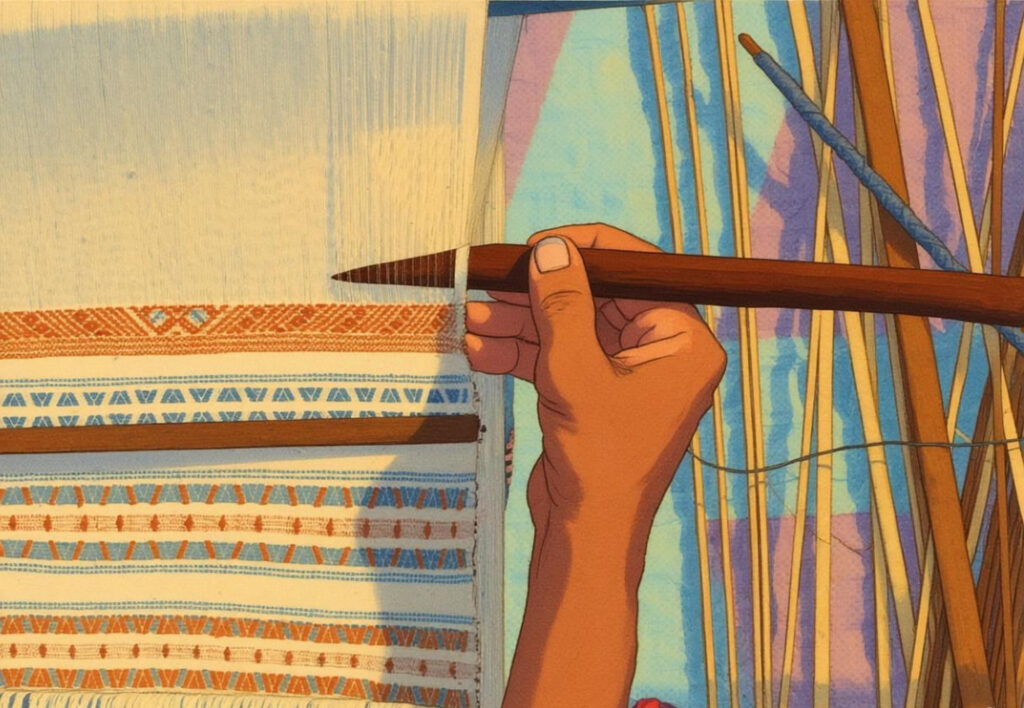
All visuals on this website are illustrative representations used during early-stage, self-funded research where direct photography was not ethically appropriate or feasible. Ethical visual documentation requires informed consent, trust, time, and community collaboration, and we chose not to extract images without a framework of reciprocity. We are seeking support to develop participatory, consent-based visual documentation in future project phases.
Will you remain focused only on the hill tracts?
No. While our current work is based in the Chittagong Hill Tracts, we will expand over time to work with indigenous and minority communities worldwide. As the initiative grows, our research, storytelling, and advocacy will extend across diverse cultural and geographic contexts.
Can I get involved or collaborate?
Absolutely. If you share our values of cultural preservation, education, and inclusivity, we’d love to connect. Whether you’re a researcher, student, or supporter, there are many ways to collaborate.
How can I support Roots and Rights Collective?
You can support us by sharing our work, collaborating on projects, or helping us find the resources that make this initiative sustainable—especially funding that strengthens community-driven cultural and educational projects.
Are your resources available online?
Yes. Our website is our growing digital archive, where we publish indigenous folktales, cultural research, and educational content. It’s meant to be open, accessible, and useful for a wide audience, while staying true to the voices of the communities we work with.
Roots and Rights Collective
We are a collective committed to keeping indigenous traditions alive
while advocating for dignity, rights, and shared stories.
Sualok, Bandarban, Bangladesh
Roots and Rights Collective © 2026. All rights reserved.